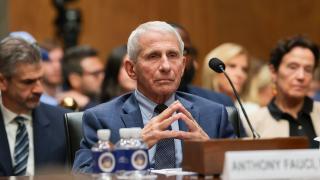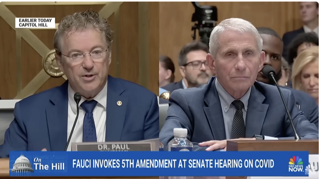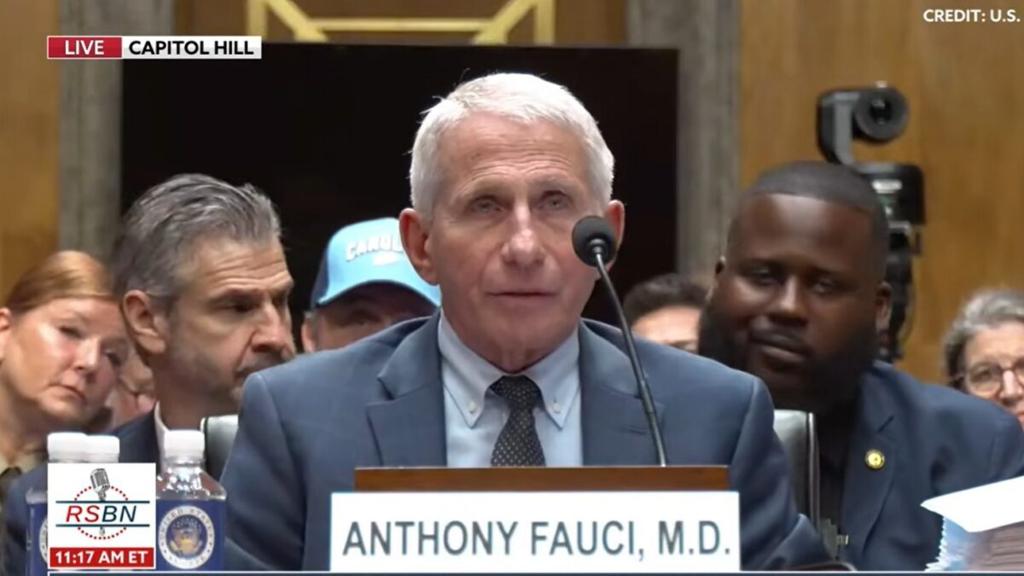
Dr. Anthony Fauci repeatedly invoked the Fifth Amendment during a Senate Homeland Security and Governmental Affairs Committee hearing last week, declining to answer questions about his prior congressional testimony and actions as Director of the National Institute of Allergy and Infectious Diseases (NIAID). The move has triggered a legal debate over whether Fauci’s broad presidential pardon from President Biden protects him from prosecution—or if his refusal to testify could itself constitute contempt of Congress.
The core issue is whether Fauci’s invocation of the Fifth Amendment was legally justified given the scope of his pardon, and whether this action could expose him to new legal jeopardy.
Fauci’s appearance before the committee, chaired by Sen. Rand Paul, R-Ky., came days after the release of his personal diary, which was found on a federal government server. Senators pressed Fauci on discrepancies between his diary, his previous testimony, and his public statements regarding gain-of-function research, mask efficacy, and the origins of Covid-19. According to the committee record, Fauci invoked the Fifth Amendment 111 times, refusing to answer even routine questions about his tenure at NIAID. Testimony of Anthony Fauci
Scope of the Presidential Pardon
President Biden’s pardon, issued on January 19, 2025, covers Fauci for any federal offenses related to his government service from January 1, 2014, through the date of the pardon. The document, published by the Justice Department, states it applies to all federal crimes arising from Fauci’s roles at NIAID, the White House Coronavirus Task Force, and as Chief Medical Advisor to the President. Pardon Warrant Fauci
Legal experts note that this 11-year period encompasses nearly all relevant federal statutes of limitations, including those for false testimony to Congress. The Supreme Court, in Mason v. United States and Brown v. Walker, has held that the Fifth Amendment privilege is limited to situations where a witness faces a real and appreciable danger of prosecution. With a pardon in place, the risk of federal prosecution for covered activities is generally considered extinguished.
Legal Precedents and Committee Response
During the hearing, senators including Rand Paul and Bernie Moreno, R-Ohio, repeatedly directed Fauci to answer questions about Covid origins, school closures, and research funding. Fauci declined, citing the Fifth Amendment each time. Legal analysis in the source notes that the Supreme Court’s decision in Burdick v. United States established that a pardon must be affirmatively accepted, and that invoking the Fifth Amendment may be interpreted as a refusal of the pardon’s protections.
"The irony is that if Fauci had testified truthfully last week, even if that meant admitting he previously gave false testimony before Congress in the covered pardon period or lied to the American people, he would be facing no legal consequences."
— Jay Town, former U.S. attorney
The committee’s chairman, Sen. Paul, has announced plans to refer Fauci for criminal contempt of Congress to the Department of Justice. The Justice Department will be tasked with determining whether Fauci’s Fifth Amendment plea was proper or if it constitutes a prosecutable offense.
Contempt and Potential Prosecution
The legal debate centers on whether Fauci’s refusal to answer questions about activities covered by his pardon could be considered contempt of Congress. The Supreme Court has ruled that the Fifth Amendment does not protect against embarrassment or reputational harm, only against real legal jeopardy. If Fauci is deemed to have abandoned his pardon by invoking the Fifth, he could potentially face prosecution for offenses during the covered period. Conversely, if he is protected by the pardon, he may be charged with contempt for improperly refusing to testify.
While critics argue that Fauci’s actions undermine congressional oversight, supporters have not publicly addressed the legal rationale for his repeated invocation of the Fifth Amendment. The Justice Department has not commented on whether it will pursue charges.
The Senate committee’s next steps and the Justice Department’s response will determine whether Fauci faces further legal scrutiny or if the matter ends with the hearing.