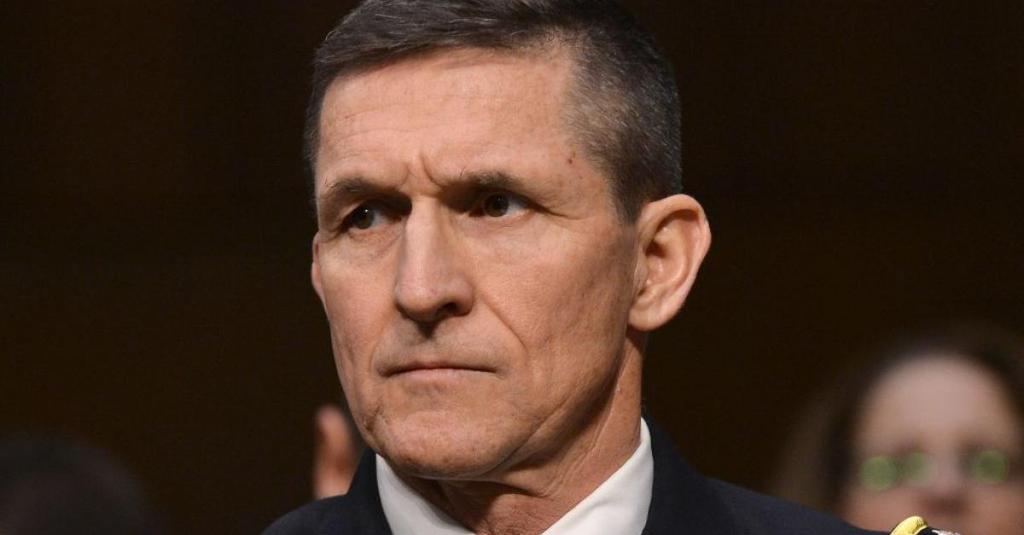
Handwritten notes from two FBI agents present at the 2017 interview of former National Security Advisor Michael Flynn have been declassified, exposing discrepancies with the official FBI summary that underpinned Flynn's criminal prosecution and plea deal.
The release of these notes comes as federal prosecutors intensify a grand jury probe into whether the FBI's Russia investigation was a criminal conspiracy to discredit Donald Trump and his associates. The declassification has renewed debate over the FBI’s handling of the Flynn case and the broader investigation into Russian interference in the 2016 U.S. presidential election.
Discrepancies Between Notes and Official Record
The handwritten notes by former Special Agents Peter Strzok and Joe Pientka, made public by the White House Government Transparency Task Force, differ from the official FD-302 summary entered into the FBI system more than 20 days after the Flynn interview. For example, Pientka's notes record Flynn saying "Hey, don't do anything" regarding his conversation with Russian Ambassador Sergey Kislyak, while the FD-302 omits this phrase and instead states Flynn said, "Not really. I don’t remember. It wasn’t, ‘Don’t do anything.’”
Similarly, the FD-302 claims Flynn remembered making four to five calls the day he spoke with Kislyak, but both agents' notes indicate Flynn did not recall making that number of calls. One agent wrote, “I [do not] remember making 4-5 calls,” and the other quoted Flynn as saying, “If so, don’t remember.” These differences have raised questions about the accuracy of the official record and whether it reflected Flynn’s statements during the interview.
The FD-302 is a standard FBI form used to summarize interviews with witnesses or suspects. In Flynn’s case, the summary was not finalized until more than two weeks after the interview, a delay that has drawn scrutiny from legal analysts and Flynn’s defense team. The discrepancies between the contemporaneous notes and the later summary have become a focal point in legal challenges and public debate.
Editing and Internal Debate at the FBI
Text messages between Strzok and FBI lawyer Lisa Page, made public in 2020, show that Strzok made significant edits to the FD-302, telling Page he was “trying not to completely re-write” the summary. Page also contributed edits. Flynn’s attorney, Sidney Powell, later argued that these changes altered the record and contributed to the charges against Flynn.
"Strzok provided his view that Flynn appeared truthful during the interview."
— Special Counsel Robert Mueller's team memo
The agents who interviewed Flynn indicated in a draft report that he did not directly deny talking to Kislyak about sanctions, but rather said he could not remember and conceded it was possible. According to a memo from Special Counsel Robert Mueller’s team, Strzok believed Flynn appeared truthful during the interview. Despite this assessment, the official FD-302 was later cited as evidence that Flynn had lied to investigators.
The process of editing the FD-302 involved multiple drafts and input from both Strzok and Page. The extent of these edits, and the delay in finalizing the summary, have fueled allegations from Flynn’s supporters that the record was manipulated to strengthen the case against him. The Justice Department has not commented on the specific changes or the reasons for the delay.
Legal Fallout and Settlements
Flynn was charged in November 2017 with making false statements to the FBI about his contacts with Kislyak. He initially pleaded guilty but later sought to withdraw his plea, alleging the FD-302 was altered and that exculpatory evidence was withheld. Flynn was pardoned by Trump in November 2020. In 2023, Flynn filed a civil suit alleging malicious prosecution, claiming he was targeted due to his association with Trump. A federal judge dismissed the suit in 2024, but Flynn refiled after Trump returned to office. The Justice Department, under Attorney General Pam Bondi, settled the case for approximately $1.2 million in March 2025, according to The Associated Press.
The legal battle over Flynn’s prosecution has spanned several years and multiple presidential administrations. The case became a flashpoint in debates over the FBI’s conduct and the broader investigation into Russian election interference. Flynn’s supporters have argued that he was unfairly targeted, while critics contend that the investigation was justified by his contacts with Russian officials.
Concerns Over FBI Conduct
The timing and conduct of the FBI’s interview with Flynn have drawn scrutiny for years. Just weeks before the interview, Washington Field Office agents recommended closing the investigation into Flynn, finding “no derogatory” information. However, Strzok intervened to keep the case open and pursue an interview. Handwritten notes from then-Assistant Director for Counterintelligence William Priestap, released in April 2020, expressed concern that the FBI was “playing games” and might be trying to “get him to lie, so we can prosecute him or get him fired?”
FBI officials debated whether to include the standard warning against lying to agents at the start of Flynn’s interview, with Page suggesting it could be "casually slipped in." Senior Justice Department officials, including former Deputy FBI Director Andrew McCabe and former Assistant Attorney General Mary McCord, expressed skepticism about prosecuting Flynn under the Logan Act, calling it a "long shot" and "a stretch."
Supporters of the FBI’s actions have not publicly addressed the newly released discrepancies. The Justice Department has not commented on the latest declassification. The controversy over the Flynn interview and the handling of official records continues to fuel debate over the FBI’s role in politically sensitive investigations and the standards for documenting interviews with high-profile subjects.