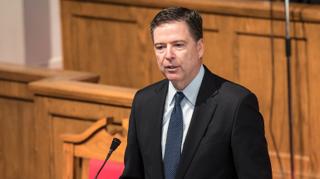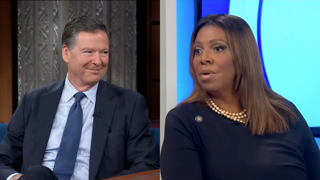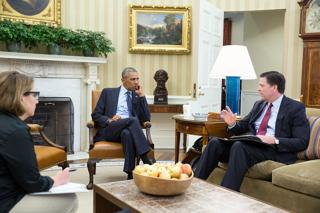
U.S. Attorney for the Eastern District of Virginia Lindsey Halligan has filed new documents in her case against former FBI Director James Comey, including handwritten notes that suggest Comey was aware of the Clinton campaign's involvement in the Russia collusion narrative. The documents, which were discovered in an unused Sensitive Compartmented Information Facility (SCIF) at FBI headquarters, indicate that Comey knew the allegations against Donald Trump were fabricated by the Clinton campaign.
The most significant finding is a note dated September 26, 2016, in which Comey wrote, "Clinton plan to tie Trump to Russia." This note contradicts Comey's previous claims of ignorance regarding the origins of the Russia investigation. Halligan stated that these notes "were not known to any prior investigative teams," highlighting their importance in the ongoing legal proceedings.
The documents also include communications between Comey and Daniel Richman, a Columbia law professor who acted as a conduit for Comey’s narratives to the media. These communications raise questions about Comey's motives and actions during the investigation into Trump.
Halligan's filing comes after her predecessor, Erik Siebert, reportedly concluded there was insufficient evidence to indict Comey for leaking information to the press. However, the newly uncovered materials suggest otherwise, leading to renewed scrutiny of Comey's actions.
The documents were found in a burn bag, a method typically used for destroying sensitive materials. It remains unclear why these documents were not destroyed as intended. According to a July 2025 internal FBI document, the burn bags were placed in the SCIF shortly before Trump's second inauguration, raising speculation about their intended fate.
Despite the evidence, a grand jury declined to indict Comey on charges related to his knowledge of the Clinton campaign's plan. Halligan charged him with lying about his awareness of the situation, but the jury's decision reflects potential partisan influences.
The revelations from Comey’s notes and the accompanying documents have reignited discussions about the integrity of the FBI's investigation into the Trump campaign. Critics argue that Comey's failure to act on the information he possessed contributed to a significant political scandal that affected the Trump presidency and public trust in government institutions.
As the case unfolds, Halligan's findings may play a crucial role in determining the legal consequences for Comey and the broader implications for the FBI's handling of politically sensitive investigations.