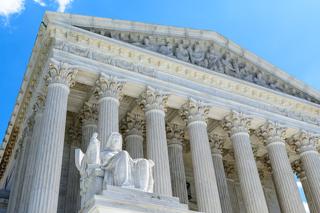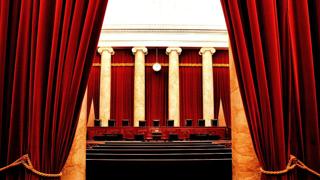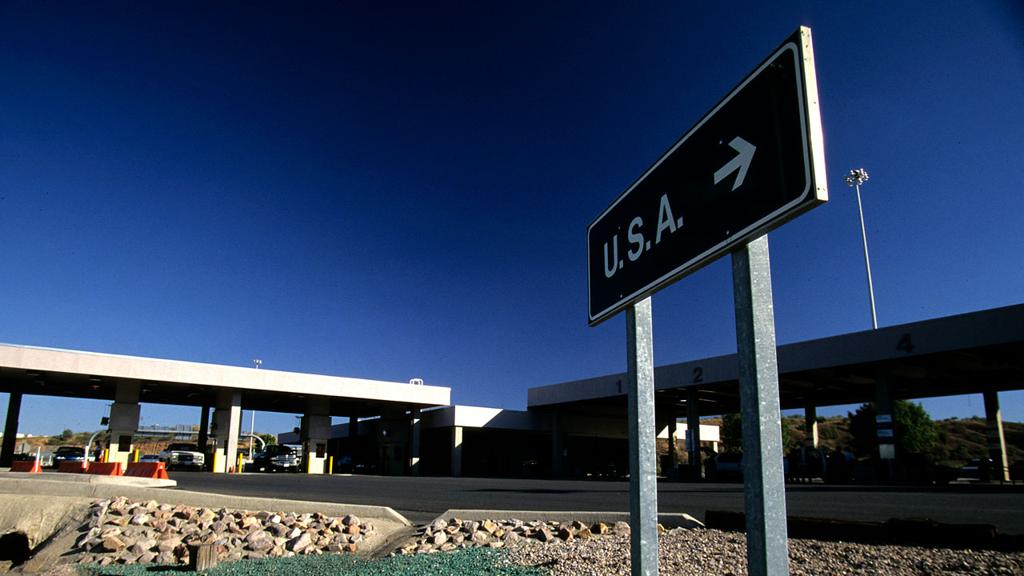
The Supreme Court has agreed to hear Mullin v. Refugee and Immigrant Center for Education and Legal Services, a case challenging President Donald Trump’s use of Section 212(f) of the Immigration and Nationality Act to suspend asylum claims at the U.S.-Mexico border. The decision, expected by June, could determine whether Trump’s policy—credited by supporters with sharply reducing unauthorized border crossings—remains in effect or is struck down, potentially reopening the border to large-scale asylum claims.
Explainer Understanding the Supreme Court’s Impact on Law and Liberty
The core question is whether the president can use Section 212(f) to override statutory protections for asylum seekers, or if doing so exceeds executive authority under federal law.
Trump’s January 20, 2025, proclamation invoked Section 212(f) to suspend entry for noncitizens “engaged in the invasion” at the southern border, barring them from seeking asylum and directing rapid removal without standard procedural protections, according to the official proclamation. The Department of Homeland Security issued guidance enforcing the policy, which was quickly challenged in federal court by a coalition of 13 individuals and three immigration nonprofits who argued it violated federal immigration statutes.
Legal Challenges to 212(f) Policy
A U.S. District Court judge in Washington, D.C., ruled against the Trump administration, finding that the policy unlawfully circumvented removal procedures and the right to apply for asylum. The D.C. Circuit Court of Appeals largely upheld this decision, stating that Congress did not intend to grant the executive such broad removal authority through Section 212(f), according to SCOTUSblog and court filings. The Supreme Court’s decision to review the case follows these lower court rulings.
Advocacy groups challenging the policy argue that it illegally conflicts with statutes guaranteeing access to asylum. Lee Gelernt, deputy director of the ACLU’s Immigrants’ Rights Project, said in a statement, “The president does not have the right to unilaterally override the protections Congress has afforded those fleeing danger.” Keren Zwick, executive director of the National Immigrant Justice Center, added, “We are honored to represent these asylum seekers and their advocates, as this important case proceeds.”
Supporters of the Trump administration’s approach credit the policy with ending what they describe as a mass migration crisis at the border, citing a sharp drop in crossings and a collapse in smuggling operations. Critics, however, maintain that the policy unlawfully denies protection to those fleeing persecution.
Impact on Border Security and Migration
Trump’s use of Section 212(f) has been described as the most significant factor in reducing unauthorized crossings, with reports of migrants and smugglers abandoning attempts due to immediate deportations and increased costs. According to interviews with migrants in Mexico, many cited the lack of asylum access and heightened enforcement as reasons for not attempting to cross. One Venezuelan migrant, Jonathan Leonardo Montilla, said, “The Americans would just grab us and deport us if we try. Now your president is very tough.”
“They say the mafia is not even working right now because the situation is too strong on the American side.”
— Jonathan Leonardo Montilla, Venezuelan migrant
If the Supreme Court overturns the policy, analysts warn of a possible surge in migration similar to recent events in Europe, where changes in asylum policy triggered mass crossings. The Trump administration is reportedly preparing contingency plans, including renewed reliance on Mexico to stem northbound flows and consideration of policies such as Remain in Mexico, which previously required asylum seekers to wait outside the U.S. during processing.
Next Steps and Broader Implications
A Supreme Court ruling is expected by June. Both the administration and advocacy groups are preparing for possible outcomes, with the potential for renewed mass migration if the policy is struck down. The decision will likely shape U.S. border enforcement and asylum policy for years to come.