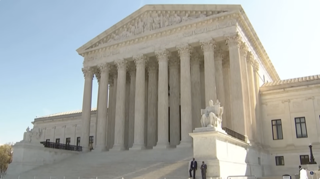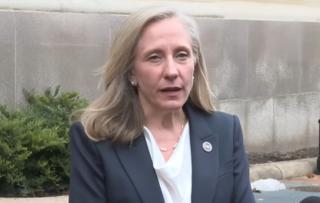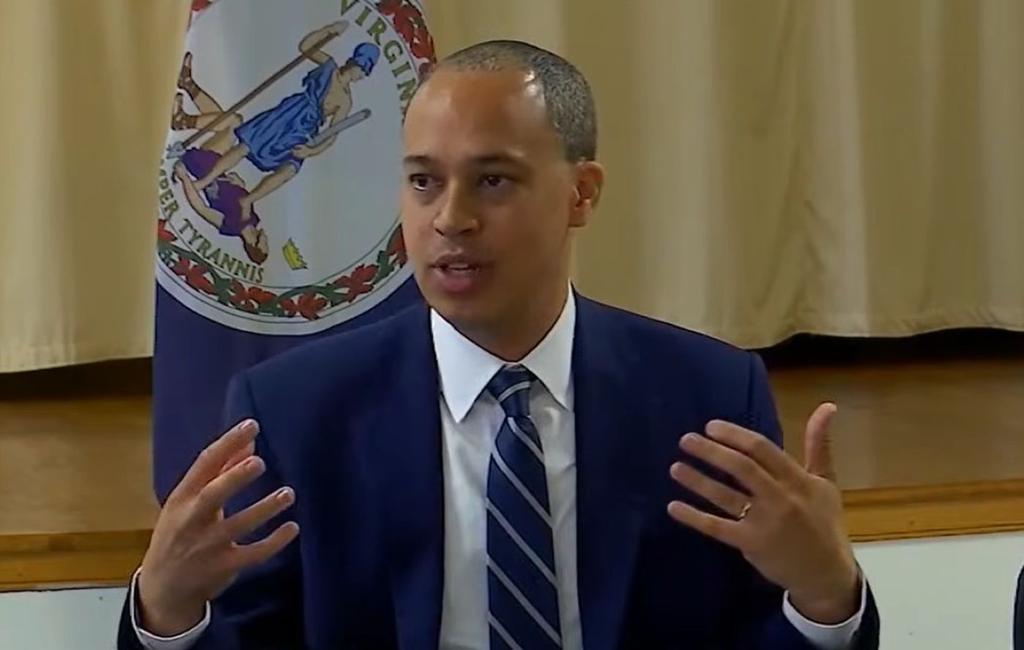
The Virginia Supreme Court has ruled against a partisan gerrymander attempt by Democrats, emphasizing that their argument regarding the definition of an election was inconsistent. This ruling highlights the ongoing tensions surrounding election integrity and the implications of early voting in the state, which have become increasingly contentious topics in recent years.
Explainer Navigating Virginia's Electoral Landscape: Key Issues and Reforms
Virginia Supreme Court Overturns Partisan Gerrymander Attempt by Democrats
The court's decision came after Democrats sought to redefine the term "election" to bolster their gerrymandering efforts. They argued that the term referred to a single day of voting rather than the extended 45-day voting period that they had previously established. This contradiction raised significant questions about voter disenfranchisement and the legitimacy of the referendum process, particularly in a state where election laws have been evolving.
Background and Reactions
In 2020, Virginia Democrats implemented substantial changes to the state's election laws, allowing for a 45-day early voting period. Critics of this extended voting window argue that it can lead to confusion among voters, especially when significant measures are placed on the ballot late in the voting window. In this particular case, Democrats attempted to introduce a referendum after more than a million voters had already cast their ballots, raising concerns about whether those voters were adequately informed about the issues at stake.
The Supreme Court's majority opinion underscored the absurdity of the Democrats' position. The justices illustrated this by stating, "Imagine one of the over one million Virginians who had voted in person before Election Day in 2025 walking into a polling place... The officer of election responds, ‘we are not conducting an election here.’" This hypothetical scenario serves to illustrate the potential confusion created by the Democrats' argument regarding the definition of an election.
Furthermore, the court noted that the definition of "election" has historically encompassed both the act of voting and the period leading up to it. The justices emphasized that if voting spans 45 days, then all those days must be considered part of the election process. The opinion stated, "The metes and bounds of an election begin with the point of casting votes and end with the point of receiving votes and closing the polls on the last day of the election." This clarification is crucial for understanding the legal framework surrounding elections in Virginia.
Democrats had argued that the timing of the referendum was justified, claiming that it was necessary to address pressing issues facing the state. However, the court rejected this rationale, stating that the process for a referendum requires two legislative sessions and an intervening election to allow voters to express their views adequately. This requirement is designed to ensure that voters have sufficient time and information to make informed decisions about significant changes to state law.
The court's decision carries important implications for future elections in Virginia, particularly regarding the balance between early voting and voter awareness. Critics of early voting contend that it can disenfranchise voters who may not have complete information about the measures they are voting on. In this instance, the court noted that many voters had cast their ballots without knowledge of the referendum, which could have influenced their decisions had they been informed.
Supporters of the Democrats' approach to early voting argue that it increases accessibility and participation in elections. They contend that extended voting periods allow more people to engage in the democratic process, thus enhancing the overall electoral experience. However, the court's ruling raises critical questions about whether the current system adequately protects voters' rights and ensures that they can make informed choices.
Importantly, the Supreme Court did not take a definitive stance on whether a 45-day voting period or a single-day election is preferable. Instead, the court focused on the implications of their ruling for the definition of an election. Their opinion serves as a reminder of the complexities involved in election law and the necessity for clarity in the electoral process, which is vital for maintaining public trust in the democratic system.
As Virginia prepares for future elections, the implications of this ruling will likely resonate in ongoing debates about gerrymandering, early voting, and voter rights. The court's decision may prompt lawmakers to reevaluate the state's election laws to ensure they align with both legal standards and public expectations, fostering a more transparent and equitable electoral environment for all Virginians.