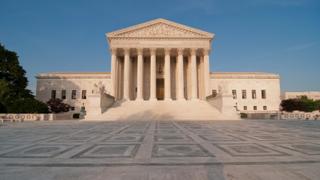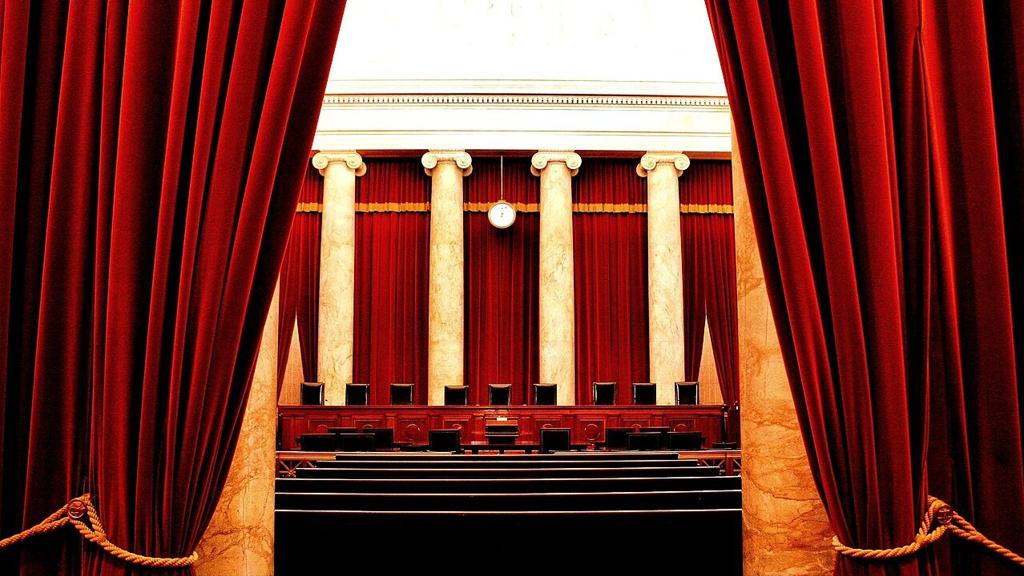
The Supreme Court has agreed to review a case that could reshape the interpretation of the 14th Amendment’s citizenship clause, a topic that has sparked intense debate over birthright citizenship. This case arises from challenges to former President Donald Trump’s executive order aimed at ending birthright citizenship for children born in the U.S. to unauthorized immigrants.
The core issue at stake is whether the citizenship clause guarantees automatic citizenship to all individuals born on U.S. soil, including those born to parents in the country illegally. Critics argue that the current interpretation undermines the original intent of the 14th Amendment, while supporters maintain that it is a fundamental right enshrined in the Constitution.
The 14th Amendment was ratified in 1868 to guarantee citizenship to formerly enslaved individuals and their descendants. Its citizenship clause states, "All persons born or naturalized in the United States, and subject to the jurisdiction thereof, are citizens of the United States." However, some legal scholars argue that the clause was not intended to grant citizenship to everyone born in the U.S., particularly those whose parents are not legally present.
Historical Context
Senator Benjamin Wade introduced the citizenship clause during the drafting of the 14th Amendment, emphasizing the need for a clear definition of citizenship. Wade initially proposed language that would have included all persons born in the U.S., but Senator Jacob Howard amended it to include the phrase "subject to the jurisdiction thereof." This addition has led to interpretations that not all individuals born in the U.S. automatically qualify for citizenship.
Edward Erler, a political scholar, notes that Howard explicitly stated that the clause would not include children born to foreign diplomats or other non-citizens. "This amendment... will not, of course, include persons born in the United States who are foreigners, aliens, who belong to the families of ambassadors or foreign ministers," Howard said.
Erler argues that the framers of the 14th Amendment would not have intended for children of unauthorized immigrants to gain automatic citizenship. He points out that the concept of citizenship was tied to the social compact, which implies mutual consent among the people to form a political community. "An individual who breaks into the country has, by definition, not been admitted into the social compact," Erler stated.
Political Reactions
Democratic leaders have responded to the Supreme Court's decision to hear the case by reaffirming their commitment to birthright citizenship. Congressman Raja Krishnamoorthi stated, "For more than 150 years, our Constitution has spoken plainly: everyone born on American soil has an equal claim to the rights of citizenship from their first breath." New York Attorney General Letitia James echoed this sentiment, calling birthright citizenship a fundamental right under attack by the Trump administration.
Former California Representative Katie Porter added, "Birthright citizenship is literally written into the Constitution. There is no debate to be had: if you are born here, you are a citizen." However, legal experts caution that the interpretation of the 14th Amendment is complex and has evolved over time, suggesting that the Supreme Court's ruling could have far-reaching implications.
Implications of the Case
The Supreme Court's decision to take up this case signals a potential shift in how birthright citizenship is understood in the context of modern immigration debates. If the Court rules against the current interpretation, it could lead to significant changes in citizenship rights for children born to unauthorized immigrants, affecting thousands of families across the country.
Supporters of the current interpretation argue that it is essential for protecting the rights of children born in the U.S., while critics contend that it has been misused to grant citizenship to individuals who do not adhere to the legal immigration process. As the case progresses, both sides are preparing for a legal battle that could redefine citizenship in America for generations to come.