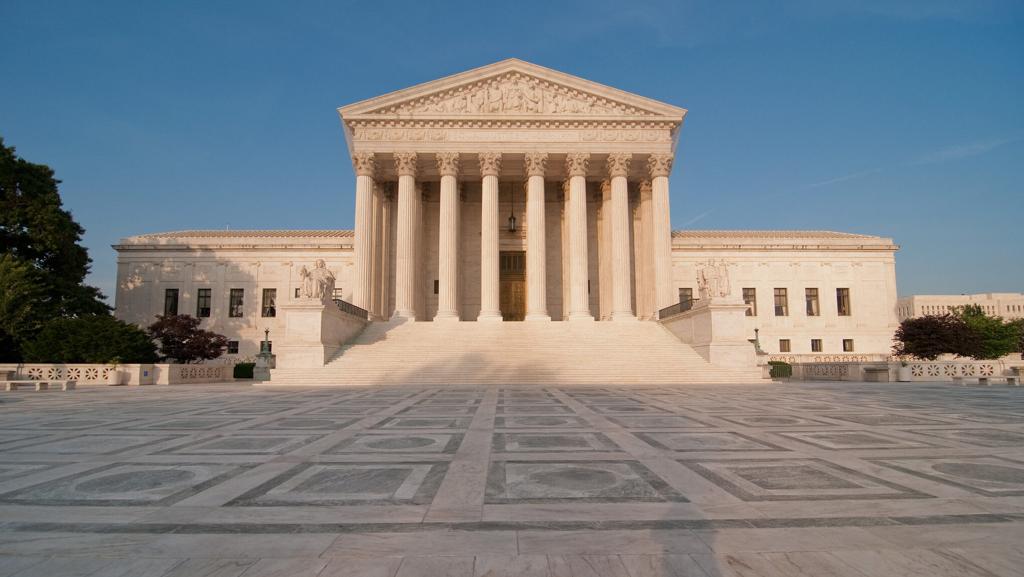
The Supreme Court heard oral arguments Wednesday in Trump v. Barbara, a case challenging President Donald Trump’s 2025 executive order aimed at restricting birthright citizenship. The discussion centered on whether the Constitution's 14th Amendment, which grants citizenship to those born on U.S. soil, applies to children born to parents in the country illegally or those who come specifically to give birth.
The core tension lies in the interpretation of the 14th Amendment in the context of modern immigration issues, with critics arguing that the original intent of the amendment does not encompass current circumstances such as birth tourism and unauthorized immigration. U.S. Solicitor General John Sauer, representing the administration, emphasized that the world has changed significantly since the amendment's ratification, stating, "Eight billion people are one plane ride away from having a child who is a U.S. citizen."
Chief Justice John Roberts responded to Sauer’s remarks by asserting that while the world may be different, it is still governed by the same Constitution. His statement was met with approval from various commentators, including Thomas Berry from the Cato Institute, who called it the "line of the morning." Berry noted that the argument should focus on the original public meaning of the 14th Amendment’s text, suggesting that the government’s policy arguments do not address the constitutional question at hand.
Historical Context of the 14th Amendment
The 14th Amendment was ratified in 1868, primarily to ensure citizenship for former slaves and their descendants. Its language has been interpreted to grant citizenship to anyone born on U.S. soil, but the application of this principle to children of unauthorized immigrants has sparked significant debate. The Supreme Court's 1898 decision in United States v. Wong Kim Ark affirmed citizenship for a child born in the U.S. to non-citizen parents legally residing in the country, but it did not address the status of children born to parents who are in the country illegally.
Critics of the current interpretation argue that extending birthright citizenship to children of unauthorized immigrants or those who travel to the U.S. specifically to give birth is inconsistent with the original intent of the framers. They contend that such scenarios did not exist at the time the 14th Amendment was adopted, and therefore, applying it to modern circumstances is not originalist.
Reactions from Legal Experts and Politicians
Responses to Roberts’ comments varied among legal experts and political commentators. Some praised his assertion as a reaffirmation of originalist principles, while others criticized it as a misinterpretation of the amendment’s intent. Michigan’s Ottawa County GOP expressed concern that the conservative argument may be losing its originalist foundation, stating, "It’s a tough argument our side is making… We cannot expect a majority, originalist court to suddenly change on a dime."
Reason reporter Billy Binion called Roberts’ exchange his "favorite Supreme Court exchange in recent memory," indicating a level of enthusiasm among some observers for the Chief Justice's stance. However, the debate continues over whether the Constitution's application should evolve with changing societal conditions or remain strictly tied to its original meaning.
As the Court deliberates, the implications of its ruling could have far-reaching effects on immigration policy and the interpretation of citizenship in the United States. Supporters of the current birthright citizenship interpretation argue that it is essential for maintaining the principles of equality and inclusion, while opponents assert that it undermines the rule of law and encourages unauthorized immigration.
The Supreme Court's decision in this case is expected to clarify the legal landscape surrounding birthright citizenship and could set a precedent for future immigration policies. As of now, the administration has not publicly responded to the criticisms raised during the oral arguments, leaving the debate open for further discussion.