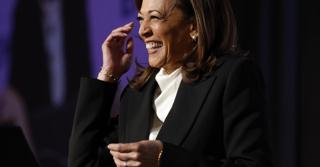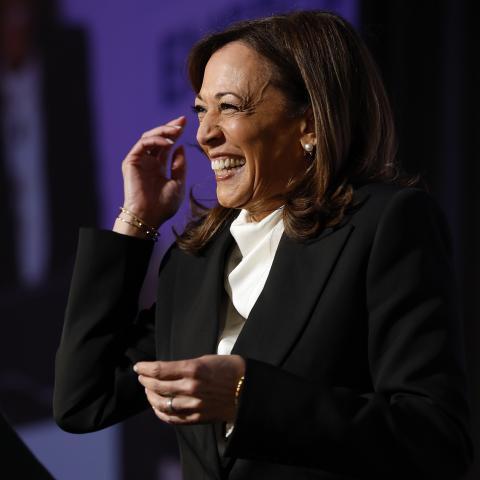
Former Vice President Kamala Harris is urging Democrats to deliver a voter turnout she described as "too big to rig," calling on the party to transform frustration with President Donald Trump into decisive action at the polls. Harris made her appeal during a two-day campaign stop in Georgia, part of a broader effort supporting Democratic candidates across seven states in the final days before the upcoming election.
Explainer Election Integrity in America: Safeguarding Voter Trust and Ballot Security
The stakes are high as Harris pushes for overwhelming Democratic participation to counter concerns about potential election interference. Addressing supporters in Atlanta, she warned that Trump could attempt to undermine the electoral process, emphasizing the need for a turnout so large that it would be impossible to manipulate the results.
Harris's remarks come at a time when Democrats are debating how aggressively to pursue institutional reforms. The party's leadership is weighing strategies to secure future electoral advantages and address longstanding grievances over the structure of federal governance, including the balance of power in Congress and the courts.
Harris’s Campaign Message
Speaking at Atlanta's Elizabeth Baptist Church, Harris told supporters, "We just need to turn out in really large numbers that would be too big to rig," directly referencing widespread fears about election integrity. She argued that the South is within reach for Democrats if the party invests more resources, stating, "The South is in play."
Harris did not hold back in her criticism of Trump, calling him "callous, corrupt and incompetent." She also mocked his White House renovations, referring to him as the "decorator in chief." Her remarks were aimed at energizing the Democratic base and highlighting the contrast between the two parties as the election approaches.
"We just need to turn out in really large numbers that would be too big to rig."
— Kamala Harris, former Vice President
Harris's message is part of a broader Democratic strategy to mobilize voters in key battleground states. Georgia, where she campaigned, has become increasingly competitive in recent election cycles, making it a focal point for both parties.
Push for Structural Reforms
Beyond the immediate focus on turnout, Harris advocated for significant changes to federal institutions. She called for expanding the Supreme Court, granting statehood to Washington, D.C., and Puerto Rico, and reconsidering the Electoral College. Harris described these proposals as "structural work" necessary for the party's long-term success.
The push for such reforms reflects ongoing debates within the Democratic Party about how to respond to Republican electoral gains and perceived structural disadvantages. Some Democrats argue that the current system gives disproportionate power to smaller states and entrenches partisan divides. Harris's comments signal a willingness among some party leaders to pursue aggressive changes if Democrats secure enough power in Congress.
The idea of expanding the Supreme Court, often referred to as "court packing," has been a contentious issue within the party. Similarly, the proposals to grant statehood to Washington, D.C., and Puerto Rico are seen by supporters as ways to address what they view as a lack of representation for millions of Americans. Reconsidering the Electoral College, which determines the outcome of presidential elections, is another long-standing Democratic priority, especially after recent elections where the popular vote winner did not become president.
Trump’s Influence and Party Strategy
The phrase "too big to rig" was previously used by Trump during the 2024 election cycle, underscoring the competitive messaging between the two parties. Harris's adoption of the slogan highlights the continued focus on election legitimacy and turnout as central themes in the campaign.
While Harris leveled sharp criticism at Trump and called for bold Democratic action, Republican leaders and Trump allies have not publicly responded to her latest remarks or the proposed institutional changes. The lack of immediate response from the opposing party leaves the focus on Democratic efforts to mobilize voters and advocate for reforms.
The emphasis on turnout and structural change reflects broader concerns about the integrity of the electoral process and the future direction of American democracy. Both parties have made election security and legitimacy central issues, with each side accusing the other of undermining public confidence in the system.
What to Watch Next
Harris concluded her campaign swing in Georgia, a state that has become a key battleground in recent elections. The effectiveness of her turnout strategy and the party's appetite for structural reforms will likely shape Democratic priorities in the coming months.
As the election approaches, Democrats are expected to continue focusing on both immediate voter mobilization and longer-term institutional changes. The outcome in Georgia and other battleground states will provide important signals about the party's ability to translate its message into electoral success and advance its broader agenda.
Observers will be watching to see whether Harris's call for a turnout "too big to rig" resonates with voters and whether the party can build momentum for the structural reforms she outlined. The results could have lasting implications for the balance of power in Washington and the future of federal governance.