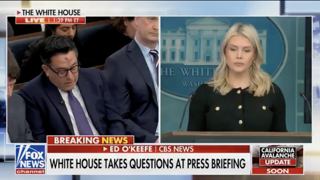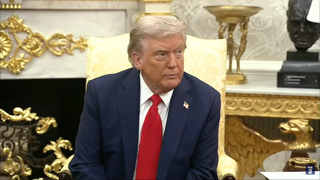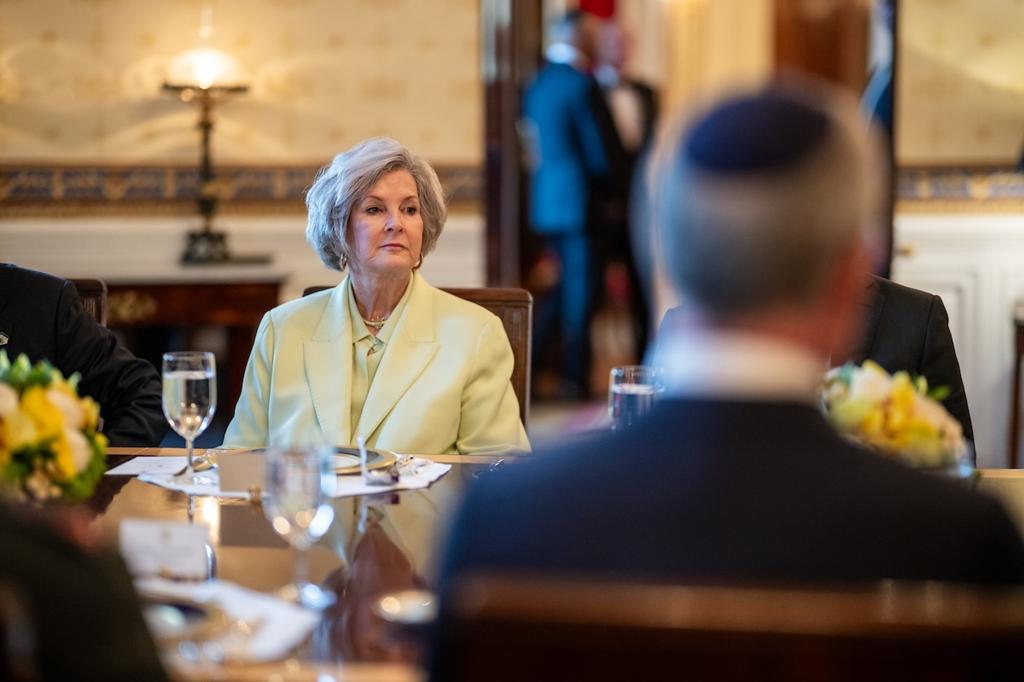
Susie Wiles, who serves as President Donald Trump’s campaign manager for the 2024 election and is currently the White House Chief of Staff, is facing significant scrutiny following her involvement in a Vanity Fair feature. This article included multiple interviews and candid remarks about her colleagues and the administration, leading to a wave of criticism. Detractors argue that her comments could undermine the credibility of the White House and raise serious doubts about its internal dynamics.
The core tension arises from Wiles’ statements in the feature, which some observers interpret as contradictory to Trump’s public image and potentially damaging to his administration’s cohesion. Wiles expressed frustration that much of what she and others said about the team and the President was omitted from the article, which she described as a scandalous oversight. However, the comments that were included have sparked significant backlash and controversy.
Wiles participated in over ten interviews for the Vanity Fair piece, which also featured insights from notable figures such as Vice President J.D. Vance and Secretary of State Marco Rubio, among others. The article, authored by Chris Whipple, highlighted various aspects of the administration, including Wiles’ views on her colleagues and her reflections on Trump’s leadership style. This extensive engagement with the media was intended to provide a comprehensive look at the inner workings of the administration, but it has instead led to a public relations crisis.
Controversial Remarks
In the published feature, Wiles made several remarks that critics argue could be seen as undermining her boss. She was quoted discussing the motivations of her colleagues, suggesting that some may have ulterior motives. This has led to questions about her loyalty and the overall morale within the White House. Such comments have raised eyebrows and fueled speculation about the internal dynamics of the administration, which is already known for its tumultuous atmosphere.
Wiles’ comments have been characterized as “amateurish” by some observers, who argue that they reflect poorly on her judgment and the administration's image. Eddie Scarry, a columnist for The Federalist, stated, "She has made the entire public question the sincerity and priorities of this administration and made it all the more difficult to defend a White House that, until now, was pretty easy to defend." This statement underscores the gravity of the situation and the potential ramifications of Wiles’ remarks.
Support and Criticism
Despite the backlash, some supporters of Wiles argue that her openness could be seen as a refreshing change in a typically guarded political environment. They contend that her willingness to engage with the media, even with a publication like Vanity Fair, demonstrates a level of transparency that is often lacking in political discourse. However, it is notable that no officials from the Trump administration have publicly addressed the criticisms stemming from Wiles’ remarks, which may indicate a desire to distance themselves from the controversy.
The feature also included unflattering photographs of Wiles and her colleagues, which have drawn additional criticism. Observers noted that the visual portrayal may further impact public perception of the administration. Scarry remarked on the photographs, suggesting that if Wiles has any enemies, she might consider recommending the photographer for their weddings. This comment highlights the potential for visual representation to influence public opinion, adding another layer to the ongoing discussion about Wiles’ role and the administration’s image.
The Path Forward
As the White House navigates the fallout from the Vanity Fair feature, questions remain about Wiles’ future role and the administration's strategy in managing its public image. The incident highlights the delicate balance between transparency and the potential risks of candidness in a high-stakes political environment. Wiles, who has previously maintained a low public profile, may need to reassess her approach to media engagement moving forward. Critics suggest that her past silence was more effective in preserving the administration’s image than her recent openness, which has proven to be contentious.
In conclusion, Wiles’ comments and the subsequent reactions underscore the complexities of communication within the Trump administration. As the 2024 campaign approaches, how Wiles and other officials manage their public personas could play a significant role in shaping voter perceptions and the overall narrative surrounding the administration. The implications of this incident may resonate well beyond the immediate fallout, influencing both the campaign strategy and the administration's public relations efforts in the months to come.