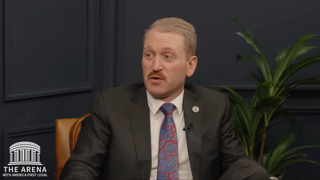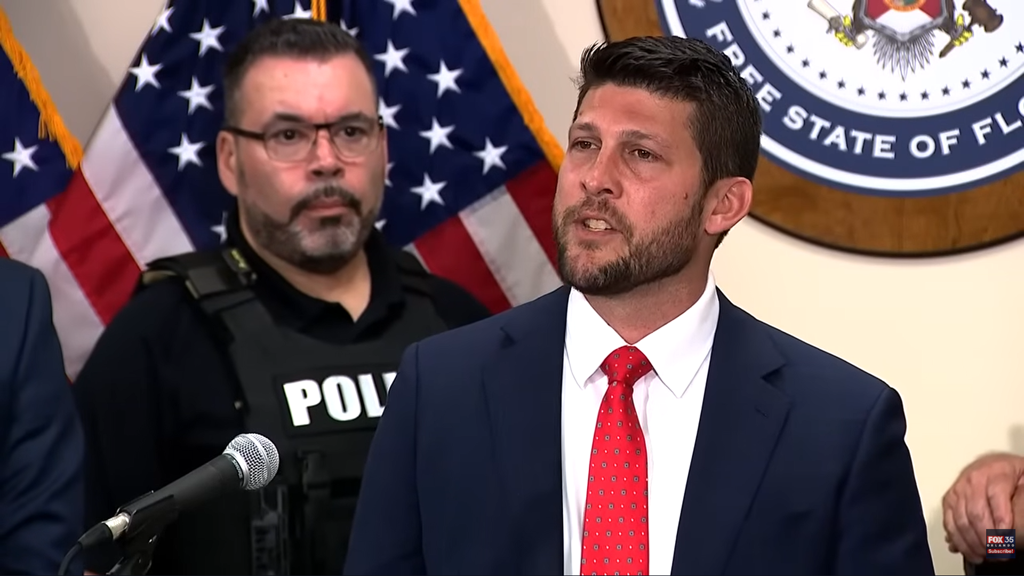
Florida Attorney General James Uthmeier has called on the Florida Bar to dismiss a complaint filed against Department of Homeland Security General Counsel James Percival, describing the action by two advocacy groups as a "shameless publicity stunt." In a letter sent Monday to Florida Bar Executive Director Joshua Doyle, Uthmeier argued that the complaint, which was signed by 128 former federal and state judges, is without merit and is rooted in political motivations rather than genuine concerns about professional conduct.
The dispute centers on whether Percival's public criticism of federal judges amounts to professional misconduct or falls under protected speech, underscoring ongoing tensions over the boundaries of legal advocacy and judicial accountability in the United States.
Background of the Complaint
The complaint was filed on August 18 by the Democracy Defenders Fund (DDF) and Lawyers Defending American Democracy, both of which are left-leaning legal advocacy organizations. According to Uthmeier, only three of the 128 signatory judges previously served in Florida, raising questions about the local relevance of the complaint.
The advocacy groups targeted Percival for a July 23 social media thread titled "Worst of the Worst, District Judge Edition." In the thread, Percival criticized what he described as "rogue judges" in immigration-related cases involving the Trump administration. The complaint also referenced Percival's media appearances, alleging that his remarks threatened the rule of law and increased risks to judges' safety by undermining public confidence in the judiciary.
Uthmeier's Defense of Percival
Uthmeier defended Percival's statements, asserting that they were "grounded in identifiable judicial actions" and had an "objectively reasonable factual basis." He argued that even if one disagreed with Percival's conclusions, his criticisms were based on facts drawn from specific cases. Uthmeier further stated that "preserving judicial integrity does not require silencing sharp criticism" and that ethical rules are not intended "to protect judges from unpleasant or unsavory criticism, but rather to preserve public confidence in the fairness and impartiality of our system of justice."
"But when the courts routinely exceed their authority, misapply the law, and produce destructive results, no attorney should be required to remain silent under threat of professional discipline."
— James Uthmeier, Florida Attorney General
Uthmeier's letter cited Florida Bar rule 4-8.2(a), which governs statements concerning the qualifications or integrity of judges and other adjudicatory officers. He urged the Bar to apply the rule "according to its text and constitutional limits," emphasizing that criticism of government officials, including judges, should not be considered professional misconduct.
Profile of the Advocacy Groups
The Democracy Defenders Fund, led by former Obama administration diplomat Norm Eisen, was formed in 2024. The group focuses on legal advocacy opposing Republican-led changes to election procedures, including efforts to remove non-citizens from voter rolls and restrict mail-in ballots. Lawyers Defending American Democracy, based in Boston, has previously filed bar complaints against several high-profile conservative attorneys, such as Rudy Giuliani, John Eastman, and Texas Attorney General Ken Paxton. These complaints often cite alleged threats to democratic norms and the rule of law.
The complaint against Percival is the latest in a series of disciplinary actions by left-leaning groups targeting conservative attorneys' ability to practice law. Uthmeier described this trend as the "weaponiz[ation]" of the complaint process, suggesting that professional discipline is being used as a tool in political disputes.
Ongoing Debate Over Attorney Speech
The case highlights the ongoing debate over the limits of attorney speech and the role of professional discipline in politically charged legal disputes. The boundaries between protected speech and professional misconduct remain a contentious issue, especially when attorneys publicly criticize members of the judiciary.
The Florida Bar has not publicly responded to Uthmeier's letter or the complaint against Percival. Similarly, the advocacy groups behind the complaint have not issued a public response to Uthmeier's defense of Percival.
As the case unfolds, it is likely to draw continued attention from legal professionals and advocacy groups on both sides of the political spectrum, reflecting broader national debates over free speech, judicial accountability, and the politicization of the legal profession.