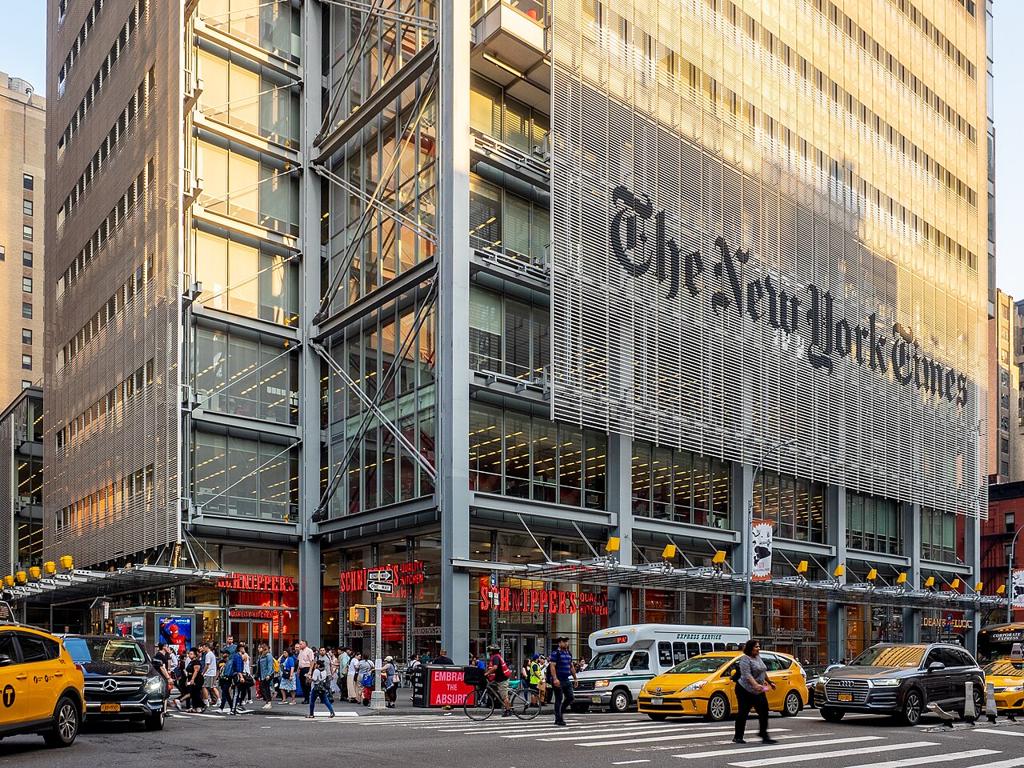
A federal jury in Alabama has awarded more than $9 million in damages to former University of Alabama basketball player Kai Spears, who prevailed in a high-profile libel suit against The New York Times. The case centered on a 2023 article that falsely linked Spears to a fatal shooting, and the verdict marks a rare courtroom loss for the Times, ending its decades-long streak of successfully defending defamation claims.
Explainer U.S. Immigration Enforcement and Law Enforcement: Balancing Security and Community Tensions
The outcome has reignited a national debate over the Supreme Court’s 'actual malice' standard, a legal doctrine that critics say shields media organizations from accountability when publishing false statements about public figures. The standard, established by the landmark 1964 Supreme Court decision New York Times v. Sullivan, requires plaintiffs to prove that a media outlet either knowingly published a false statement or acted with reckless disregard for the truth. Legal scholars and some Supreme Court justices have argued that this high bar creates a privileged status for journalists and makes it difficult for individuals to win defamation cases against major news organizations.
Details of the Spears Verdict
The jury found that The New York Times had published untrue statements tying Spears to a criminal event, causing him severe emotional distress and disrupting his academic and athletic pursuits. Spears’ lawsuit cited threats and mental anguish that resulted from the article’s publication. During the trial, the Times argued that reporter Billy Witz had taken reasonable steps to corroborate his reporting, including directly approaching Spears for comment. A Times spokesperson described the error as an “honest mistake.”
Alabama law caps certain types of damages, so Spears’ award will be reduced by more than $2 million. According to the Media Law Research Center’s 2025 report, plaintiffs win 59 percent of defamation trials against media organizations. However, media defendants succeed in 66 percent of appeals, and post-trial awards are frequently reduced or eliminated. This pattern demonstrates the complexity and unpredictability of defamation litigation in the United States.
"Journalists, unlike all other professionals, are sheltered from the legal consequences that ordinarily accompany negligence."
— Carson Holloway, political science professor
Criticism of the 'Actual Malice' Standard
Legal scholars such as Carson Holloway and David Logan have criticized the 'actual malice' rule, arguing that it incentivizes media outlets to avoid thorough fact-checking. Because plaintiffs must prove knowledge of falsity or reckless disregard for the truth, Logan contends that “publishing without verification” has become the safest legal strategy for media companies under this regime. This, critics say, can lead to a lack of accountability when errors are made in reporting about public figures.
The Supreme Court itself has seen members question the historical and practical foundations of New York Times v. Sullivan. Justice Neil Gorsuch, in his dissent in Berisha v. Lawson, wrote that “publishing without investigation, fact-checking, or editing has become the optimal legal strategy.” Justice Clarence Thomas, in his objection in McKee v. Cosby, argued that the 'actual malice' rule lacks historical grounding in the First or Fourteenth Amendments. Both justices have called for the Court to reconsider or even overturn the precedent, suggesting that the current standard may not be justified by constitutional history or modern realities.
Broader Legal and Cultural Context
The Spears verdict comes at a time when calls to revisit or overturn the 'actual malice' standard are growing among some legal scholars and members of the judiciary. The Supreme Court recently denied certiorari in Dershowitz v. CNN, a move that allowed Justices Thomas and Gorsuch to again express their concerns about the doctrine’s impact on individuals’ reputations and the balance between press freedom and accountability.
Supporters of the current standard argue that it is essential for protecting robust reporting on public figures and preventing a chilling effect on journalism. They contend that lowering the bar for defamation suits could make media organizations more hesitant to investigate and report on matters of public interest, ultimately harming the public’s right to know. The New York Times, despite its legal setback in the Spears case, has not indicated support for changing the doctrine.
The Spears case highlights the significant challenges faced by individuals seeking redress against major media organizations. It also signals a potential shift in the legal landscape if the Supreme Court chooses to revisit its longstanding precedent. For now, the debate over the 'actual malice' standard remains unresolved, with the Spears verdict serving as a focal point for renewed discussion about the balance between press freedom and accountability in American law.