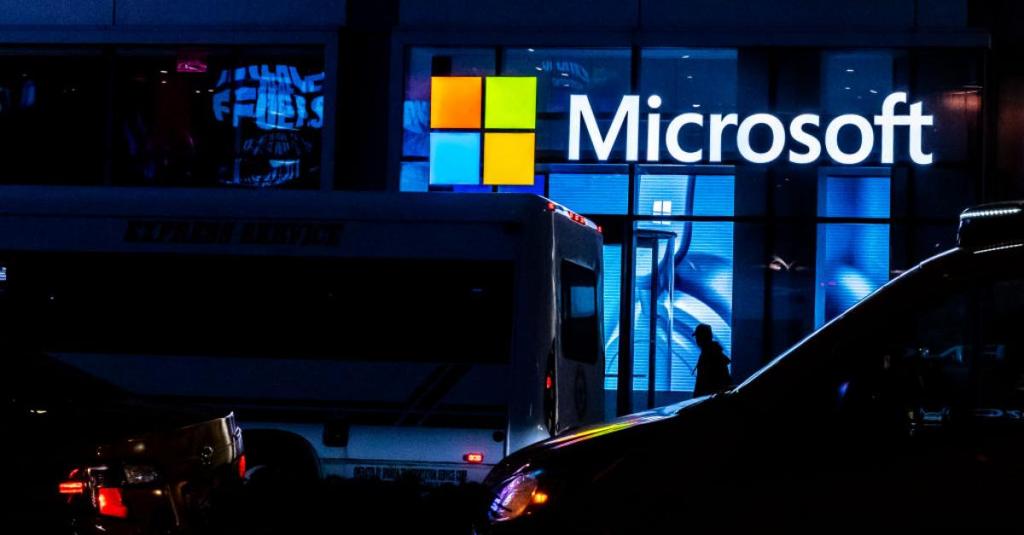
The Trump administration has suspended Microsoft from participating in a federal program that allows companies to sponsor green cards for foreign workers on H-1B visas, citing concerns over alleged fraud and the replacement of American employees.
The move escalates longstanding tensions over the use of H-1B visas in the tech sector, with the White House arguing that companies are undercutting American workers by hiring foreign labor at lower wages. The administration has made restricting the use of H-1B visas a central part of its labor and immigration policy, claiming that the program is often abused by large technology firms and outsourcing companies.
The H-1B visa program enables U.S. employers to temporarily hire foreign workers in specialized fields such as technology, engineering, and science. While the program was originally designed to help companies fill gaps in the domestic labor market, it has faced criticism from Trump supporters and some labor groups who claim it disadvantages American workers for corporate gain. They argue that companies use the program to bring in foreign employees at lower wages, sometimes at the expense of U.S. jobs.
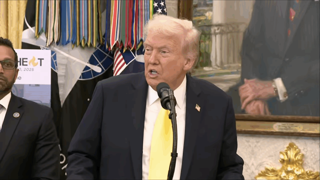
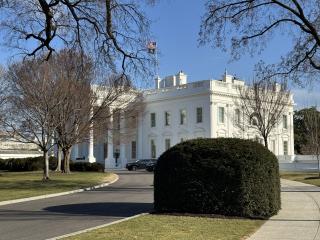
At a Thursday White House press conference, Vice President JD Vance accused Microsoft of abusing the system. He stated that the company laid off about 6,000 American workers last year while benefiting from 6,300 H-1B visas and nearly 3,000 green cards. Vance claimed this amounted to a direct replacement of American workers with foreign employees.
White House Fraud Allegations
Vance alleged that Microsoft replaced laid-off American workers with foreign employees under the H-1B program. "If you do the math, for every worker that Microsoft laid off, they replaced that worker with one and a half foreign indentured servants," Vance said. He described the system as "scandalous" and pledged that the administration would put a stop to it.
"You cannot lay off American workers, and then replace them with foreign indentured servants."
— JD Vance, Vice President
Vance further argued that H-1B visa holders are paid significantly less than their American counterparts. He claimed, "If you are working as an H-1B visa in the United States of America, you're earning $20,000 less than an American citizen hired in the same position. If you were brought in by one of these foreign outsourcing firms, you're making $48,000 less than an American citizen in a similar position."
He also described the precarious position of H-1B workers, stating that their legal status is tied to their employment, making them "completely subordinate to that company." According to Vance, this dynamic creates a workforce that is less able to advocate for itself and more vulnerable to exploitation.
Broader Tech Industry Impact
The administration's action extends beyond Microsoft. U.S. Secretary of Labor Keith Sonderling announced that several major IT outsourcing firms—including Cognizant, Infosys, Tata, Wipro, HCL, and Capgemini—have also been suspended from the H-1B program as investigations continue. These companies are among the largest users of the H-1B system, often supplying contract workers to U.S. tech companies.
The White House maintains that these suspensions are necessary to protect American jobs and ensure companies do not exploit the visa system for cheaper labor. Officials argue that suspending participation in the program sends a message to the industry that the government will enforce existing laws and close loopholes that allow for abuse.
Microsoft’s Response
Microsoft responded to the suspension with a public statement, emphasizing its commitment to the American workforce. The company said the majority of its U.S. employees are Americans and that most of its H-1B visa applications—about 80%—were for extending or changing the status of existing employees, not for hiring new workers. Microsoft added that the remaining filings for new employees represented only 1% of its U.S. workforce and involved individuals already legally in the country.
"Microsoft only files H-1B petitions for those who meet the rigorous standards of this visa category. We pay our employees some of the highest compensation in the tech sector, and our wages are among the highest of all H-1B filings. We pay our H-1B employees the same as any other employees doing comparable work," the company stated.
Microsoft also indicated that it would provide additional information to the administration as the review continues. The company has previously argued that access to global talent is essential for maintaining its competitiveness and for driving innovation in the U.S. technology sector.
Ongoing Debate Over H-1B Visas
The suspension of Microsoft and other major tech firms from the H-1B program marks a significant escalation in the administration's efforts to reshape U.S. immigration and labor policy. Critics of the H-1B system argue it depresses wages and displaces American workers, while supporters contend it is essential for maintaining the nation's competitiveness in technology and innovation.
The debate over H-1B visas is likely to continue as the administration pursues further investigations and possible reforms. Industry groups and some lawmakers have called for changes to the program to prevent abuse while still allowing companies to access highly skilled workers from around the world. For now, the suspensions signal a tougher stance from the White House and increased scrutiny of how tech companies use foreign labor in the United States.