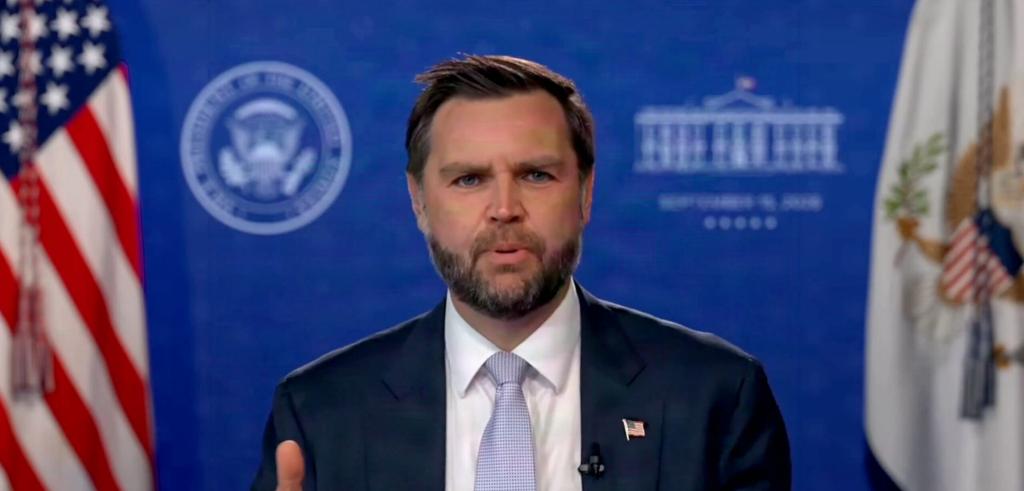
Vice President J.D. Vance has intensified his criticism of the H-1B visa program, arguing that it is being used to replace American workers with lower-paid foreign labor. This comes as the Trump administration moves to tighten oversight of legal immigration, sparking renewed debate over the future of the H-1B system and its impact on the U.S. workforce.
The H-1B program, established under the McCarran-Walter Act of 1952, was originally designed to allow temporary entry for workers of “distinguished merit and ability.” In 1990, Congress amended the law to focus the program on specialty occupations requiring specialized knowledge, such as technology, engineering, and finance. According to the Office of the Historian, these changes were intended to help American employers fill gaps in the labor market with highly skilled foreign professionals.
Vance’s Critique of H-1B Program
Vance has been vocal in his opposition to the current structure of the H-1B program. Speaking both publicly and on social media, he has argued that the system is being exploited by some employers to the detriment of American workers.
“The H-1B should not exist to replace American workers with low-wage foreigners. It should exist to enrich the American economy,” Vance said in a recent statement. He added, “My view is the H1-B program is completely broken.”
Vance has pointed to cases where companies have used H-1B visas to hire foreign workers at lower wages, potentially displacing U.S. employees. He cited research by Manhattan Institute senior fellow George Borjas, which found that H-1B workers earn on average 16 percent less than comparable U.S. workers. This wage gap, Vance argues, creates an incentive for employers to favor foreign labor over American professionals.
“If you’re going to bring in an accountant making $45,000 a year to replace an accountant who is an American making $60,000 a year, that’s not you using the program to bring in a genius. That’s you destroying American jobs and defrauding...” Vance said, emphasizing his concern that the program is not fulfilling its intended purpose.
The Department of Homeland Security’s most recent annual report on H-1B workers highlights the concentration of visa recipients in the technology sector, particularly among Indian nationals. This trend has fueled concerns among critics that certain industries are relying too heavily on foreign labor, potentially at the expense of domestic job opportunities.
Trump Administration’s New Measures
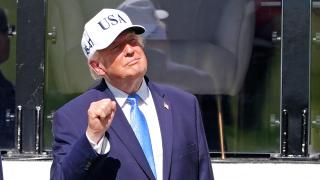
In response to these concerns, the Trump administration has taken steps to increase oversight of the H-1B program. Last year, the administration imposed a $100,000 fee on many new H-1B visas, though federal courts have since blocked the collection of this fee. More recently, President Trump issued an executive order requiring federal agencies to consider whether employers seeking H-1B visas have recently laid off similarly situated U.S. workers. The goal is to reduce new applications and increase scrutiny of employers’ hiring practices.
The White House described these actions as efforts to enhance program integrity and protect American jobs. The administration has framed the new measures as part of a broader push to ensure that the H-1B program is used as intended—to attract highly skilled workers who can contribute to the U.S. economy, rather than to undercut wages or displace American professionals. White House order
Congressional Debate and Industry Response
While the administration can implement certain changes through executive action, significant reforms to the H-1B program would require congressional approval. Several bills addressing the issue remain stalled in committee, reflecting ongoing disagreement among lawmakers over the best path forward.
One notable proposal is the "High-skilled Immigration Reform for Employment Act" (H.R.6305), introduced by Rep. Raja Krishnamoorthi. This bill would double the annual cap on new H-1B visas from 65,000 to 130,000, a move supported by ITServe Alliance, a major association of IT services firms. Supporters argue that expanding the program is essential for maintaining U.S. competitiveness in technology and innovation, especially as American companies face shortages of workers with specialized skills. Bill text
Krishnamoorthi’s office has emphasized the need to attract global talent to bolster the American economy. In a press release, he highlighted the importance of ensuring that U.S. companies have access to the best and brightest workers from around the world. Industry groups echo this sentiment, warning that restricting the H-1B program could hamper innovation and economic growth.
However, critics like Vance maintain that the program’s current structure incentivizes wage suppression and job displacement. They argue that reforms should focus on protecting American workers and ensuring that employers do not abuse the system to cut labor costs.
So far, the administration has not announced further legislative proposals, and industry advocates have not directly addressed Vance’s recent remarks. The debate over the H-1B program is likely to continue as policymakers weigh the competing priorities of economic growth, labor market protection, and the need for specialized skills in the U.S. workforce.