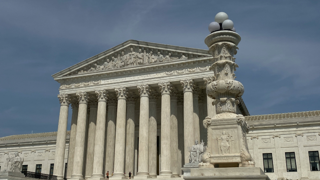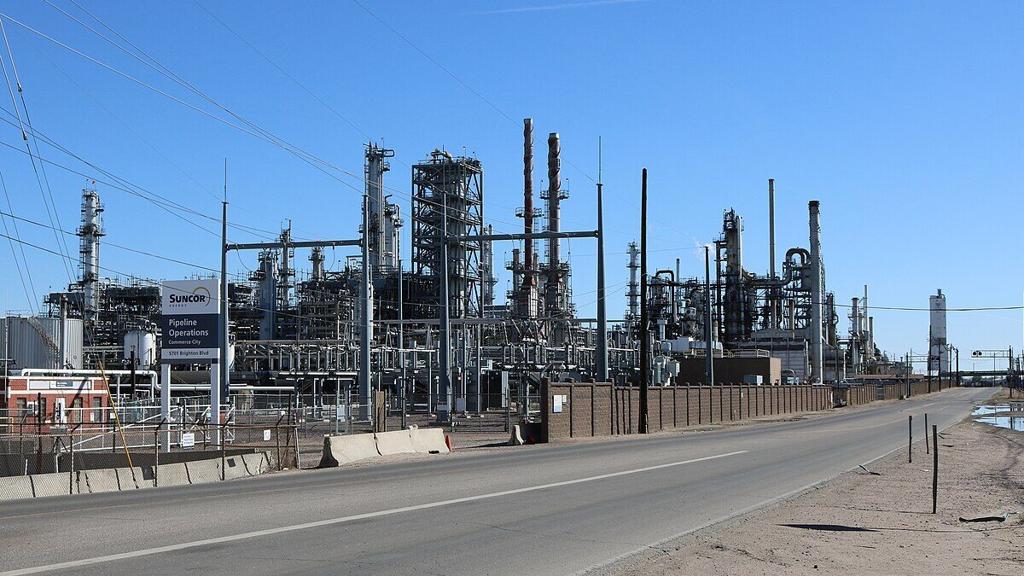
The U.S. Supreme Court is set to hear arguments on Oct. 5 in Suncor Energy v. County Commissioners of Boulder County, a case that could decide whether federal law and the Constitution prevent state-level public nuisance lawsuits seeking damages from energy companies for their alleged role in global greenhouse gas emissions.
Explainer Understanding the Supreme Court’s Impact on Law and Liberty
The case centers on whether courts can be used to impose climate policy outcomes that have not succeeded through legislation or at the ballot box, with critics warning of major economic and legal consequences if such lawsuits move forward.
For years, activists and progressive jurisdictions have sought to advance broad climate policy changes, but efforts to enact sweeping measures have repeatedly failed with voters. In response, a wave of nearly three dozen climate liability lawsuits has emerged in state courts, targeting energy companies for damages allegedly linked to climate change impacts like floods, droughts, and wildfires.
Arguments in the Suncor Case
Boulder County and other plaintiffs argue their lawsuits are aimed at recovering damages from energy firms for their contribution to global carbon emissions, asserting that local infrastructure damage can be traced to the conduct of specific companies. They hope to convince a jury to hold a handful of energy companies responsible for over a century of worldwide emissions.
Opponents, including Suncor Energy, contend that these lawsuits represent an attempt to achieve policy changes through the courts that have been rejected by voters and Congress. They argue that allowing such claims would undermine the authority of elected officials to set national policy.
O.H. Skinner, executive director of Alliance for Consumers and former Arizona solicitor general, described the lawsuits as a "mounting campaign of leftists’ ideological lawfare" designed to "bankrupt lawful industries in a last-ditch effort to tear down our capitalist system."
"If those behind Boulder’s suit can win through a courtroom the policy outcomes they could not win at the ballot box, voters lose their voice and Congress loses its authority over national policy."
— O.H. Skinner, Alliance for Consumers
Broader Implications for Industry
Critics warn that if the Supreme Court allows these lawsuits to proceed, adverse verdicts could extract tens of billions of dollars from the energy sector and effectively impose a national carbon tax, raising gas prices and utility bills for consumers. A lawyer representing Boulder has predicted that bankruptcy of American energy companies is a likely result if the lawsuits succeed.
The legal theory behind the plaintiffs' claims has been called "legally baseless" by opponents, who argue that the suits are intended to siphon resources from disfavored industries toward left-wing priorities.
Activist groups cited in the campaign include the Sierra Club, System Change Not Climate Change, Extinction Rebellion, and Public Citizen, some of which have called for radical changes to the economic system or even criminal charges against energy companies. The first climate "wrongful death" lawsuit against the energy industry was allowed to proceed by a Washington state judge last year.
If Boulder County prevails, critics say other industries—such as automakers, manufacturers, and cattle ranchers—could face similar lawsuits over their carbon emissions. California Attorney General Rob Bonta has already launched a lawsuit over plastics, signaling a potential expansion of such legal strategies.
What to Watch at the Supreme Court
The Supreme Court's decision in Suncor Energy v. County Commissioners of Boulder County will determine whether state courts can continue to hear these public nuisance claims or if such matters must be addressed by Congress and federal law. The case has attracted numerous amicus briefs, including from the American Petroleum Institute and the American Tort Reform Association, according to the Supreme Court docket.
Supporters of the lawsuits argue they are a necessary tool to hold companies accountable for environmental harm and to recover damages for affected communities. Boulder County officials and other plaintiffs have not publicly responded to the criticism that their lawsuits circumvent the legislative process.
The outcome could set a precedent for how climate change-related damages are litigated and who bears responsibility for the costs associated with global emissions.