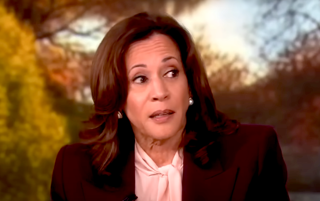
A recent McLaughlin Associates poll has found that a significant majority of Americans favor keeping the Supreme Court at its current size of nine justices, underscoring a notable gap between public sentiment and recent Democratic proposals to expand the bench. According to the poll, 64 percent of respondents support a constitutional amendment that would cap the number of Supreme Court justices at nine, while only 18 percent expressed opposition to such a measure. The poll’s findings arrive as several Democratic leaders, including Rep. James Clyburn and former Vice President Kamala Harris, have renewed calls to increase the number of justices to 13.
Explainer Understanding the Supreme Court’s Impact on Law and Liberty
The debate over the size of the Supreme Court has intensified in recent years, particularly following a series of high-profile court decisions and legislative efforts aimed at solidifying the current nine-justice structure. The issue has become a focal point in the broader conversation about the future of the judiciary and the balance of power in Washington.
In September, the House of Representatives voted 212-206 in favor of the so-called "Keep Nine Amendment," a proposed constitutional amendment that would require the Supreme Court to remain at nine justices. However, the measure failed to achieve the two-thirds majority necessary for passage. Nearly every House Republican supported the amendment, joined by one Democrat, Rep. Don Davis of North Carolina. Fifteen members did not cast a vote. The outcome highlighted the partisan divide surrounding the issue, with most Democrats voting against the amendment.
Poll Results and Public Opinion
The McLaughlin Associates poll specifically asked Americans whether they would support a constitutional amendment stating, "The Supreme Court of the United States shall be composed of nine justices." The results showed strong support for the amendment across the political spectrum. Among Democrats, 46 percent favored the proposal, while 54 percent of independents and a larger share of Republicans expressed support. Overall, the public favored keeping the court at nine justices by a margin of more than 3-to-1, indicating broad consensus on the issue.
The poll’s findings suggest that, despite ongoing political debate, most Americans are wary of altering the structure of the Supreme Court. Supporters of the nine-justice cap argue that it preserves judicial independence and prevents partisan manipulation of the court’s composition. Opponents of expansion warn that increasing the number of justices could set a precedent for future changes whenever the political balance shifts, potentially undermining the court’s credibility.
Democratic Leaders Call for Expansion
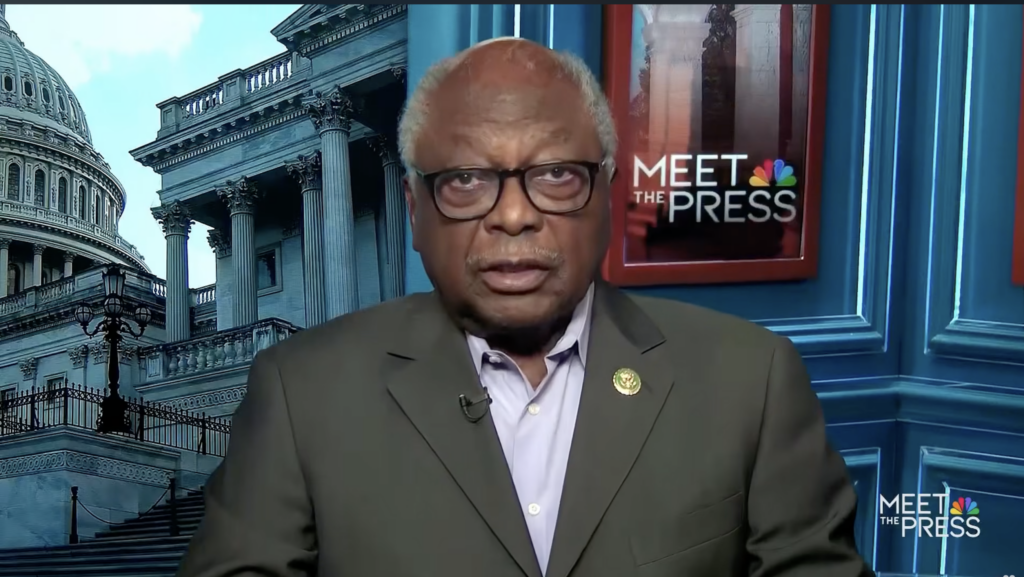
Despite the strong public support for maintaining the current size of the Supreme Court, several prominent Democratic leaders have continued to advocate for expanding the bench. Rep. James Clyburn, D-S.C., has been among the most vocal proponents. In an August appearance on NBC's Meet the Press, Clyburn stated, "Thirteen is a pretty good number. A baker’s dozen would be a good number to have on the court."
"Thirteen is a pretty good number. A baker’s dozen would be a good number to have on the court."
— Rep. James Clyburn, D-S.C.
Former Vice President Kamala Harris has also voiced support for expanding the Supreme Court to 13 justices, framing the move as part of a broader effort to reform the judiciary. Other Democratic lawmakers have echoed these calls. Rep. Pramila Jayapal, D-Wash., said in June that Democrats are "absolutely" going to try to expand the court following a recent Supreme Court decision. Rep. Chris Deluzio, D-Penn., indicated last month that he would back legislation to add more justices to the bench.
Advocates for court expansion argue that increasing the number of justices is necessary to address what they view as an ideological imbalance on the court, particularly in light of recent rulings on key issues. They contend that expanding the court could help restore what they see as fairness and legitimacy to the judiciary. However, critics argue that such a move could erode the court’s independence and set a dangerous precedent for future political interference.
Legislative Efforts and Response
The "Keep Nine Amendment" represents the most recent legislative attempt to codify the current size of the Supreme Court. Although it received majority support in the House, the amendment fell short of the two-thirds threshold required for constitutional amendments. Nearly all House Republicans and one Democrat voted in favor, while most Democrats opposed the measure. The vote reflected deep partisan divisions over how best to safeguard the court’s structure.
Supporters of the amendment argue that a fixed number of justices is essential to maintaining the court’s stability and public trust. They warn that expanding the court could lead to a cycle of partisan retaliation, with each party seeking to alter the court’s composition to its advantage when in power. Opponents of the amendment, many of whom support expansion, argue that increasing the number of justices could help correct what they see as an imbalance resulting from recent appointments.
To date, Democratic leaders have not directly addressed the recent poll’s findings. It remains unclear whether party leadership will prioritize court expansion if they regain control of Congress in future elections. The issue is likely to remain a point of contention as lawmakers and the public continue to debate the appropriate size and role of the Supreme Court.