Democrats are preparing for a potential government shutdown as they push for increased health care subsidies, a move that could complicate their political standing. With Republicans controlling both the House and Senate, the party faces significant challenges in negotiating funding agreements.
The current standoff centers on the federal budget, with Democrats advocating for additional health care funding while Republicans remain opposed. This impasse could lead to a government shutdown, a scenario that historically has not favored the party perceived to be responsible.
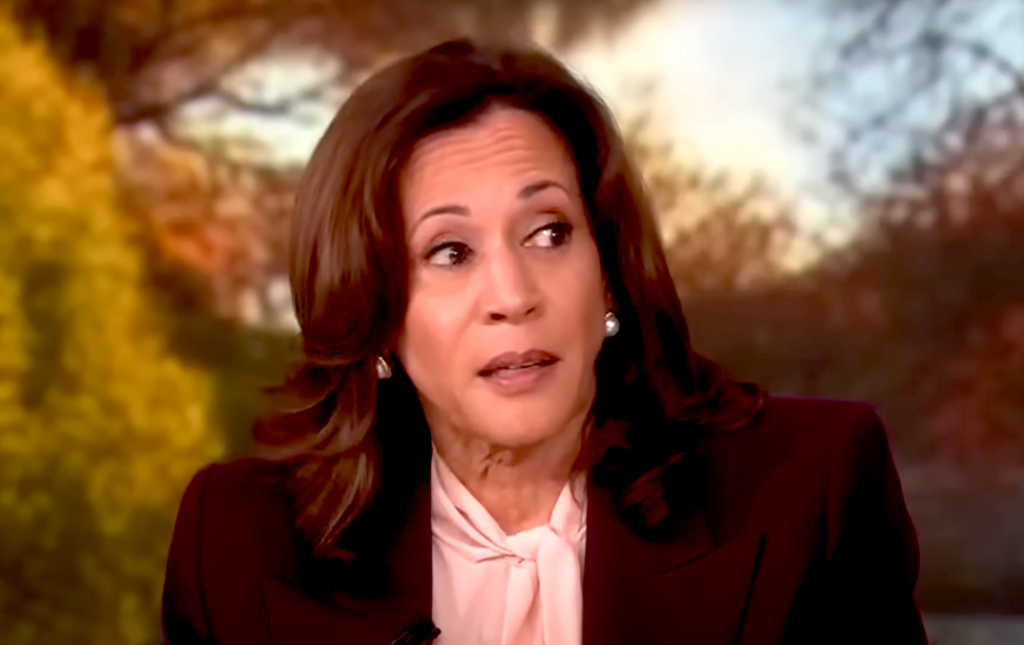
Former Vice President Kamala Harris, speaking at a book tour event in Los Angeles, emphasized the need for Democrats to remain steadfast. "Republicans run the Senate. They run the House, and they run the White House," (U.S. Congress) Harris stated. "Stand firm as the Republicans shut down the government. … Because it won’t be the Democrats, it will be the Republicans."
Critics argue that pursuing a shutdown could backfire on Democrats, as it may alienate voters who are concerned about the implications of a federal closure. Some party leaders believe that indulging their base's demands for a shutdown could be politically advantageous, despite the risks involved.
Republicans, on the other hand, appear to be in a favorable position regardless of the outcome. If the government remains open, they can continue to advance their agenda. Conversely, if a shutdown occurs, it could provide Republicans with an opportunity to streamline government operations, potentially reducing the size of the federal workforce.
The historical context of government shutdowns suggests that they often lead to minimal disruption for the public. Essential services typically remain operational, and many government employees receive temporary leave without significant long-term consequences.
As the deadline approaches, the stakes are high for both parties. Democrats must navigate the demands of their base while also considering the broader implications of a shutdown on their electoral prospects. Meanwhile, Republicans are likely to leverage any shutdown to reinforce their narrative of fiscal responsibility.
The ongoing negotiations reflect deeper ideological divides within Congress, with both parties seeking to assert their priorities in a contentious political climate. As the situation develops, the outcome will likely shape the political landscape leading into the next election cycle.