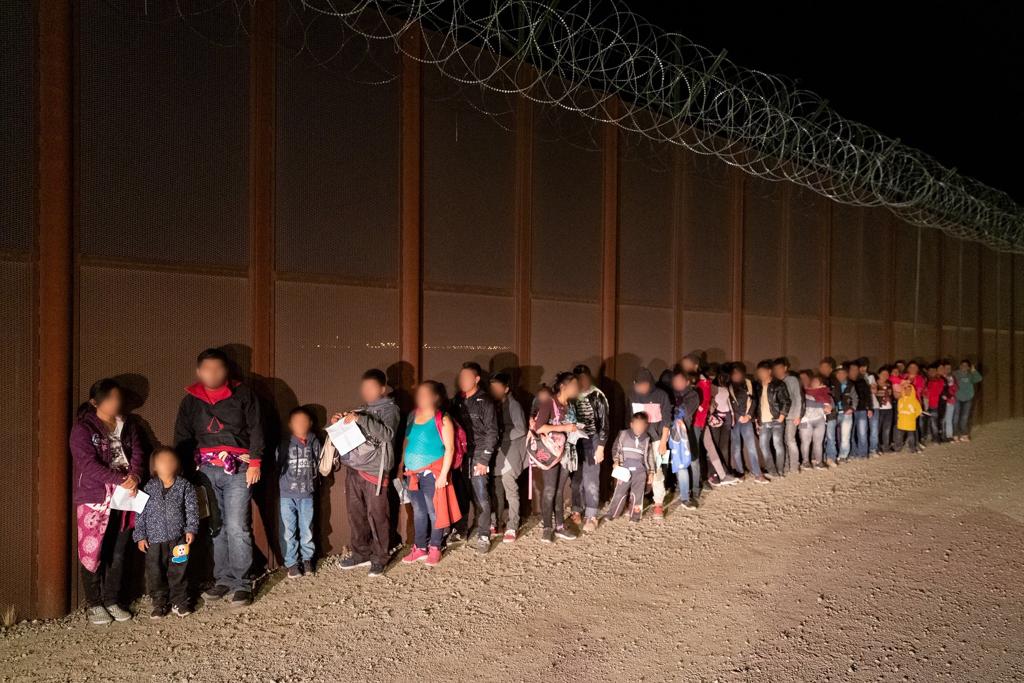
A recent mass crossing of migrants into Spain’s North African enclave of Ceuta has renewed calls for the Trump administration to take permanent action to restrict asylum access in the United States, with critics warning that current policies remain vulnerable to reversal by courts or future administrations.
The debate centers on whether the administration can secure lasting changes to asylum law before the next Congress takes office, as advocates argue that temporary executive actions could be undone, risking a repeat of border surges seen abroad.
The Ceuta incident, where hundreds of migrants entered the Spanish enclave after Spain’s Supreme Court struck down a rapid-expulsion policy, has been cited by supporters of stricter U.S. border controls as a warning. The Spanish court’s decision required authorities to process asylum claims before expelling migrants, a move that critics say triggered the influx and exposed the fragility of executive-only border measures.
U.S. Policy Moves and Legal Risks
Following the border crisis of recent years, President Trump issued the proclamation “Guaranteeing the States Protection Against Invasion” on January 20, 2025, invoking section 212(f) of the Immigration and Nationality Act to suspend the right of unauthorized border crossers to apply for asylum. This, along with orders for immediate expulsion by Border Patrol and military personnel, sharply reduced crossings, according to administration supporters. The Federal Register documents the proclamation’s text and legal basis.
However, critics of the current approach warn that these measures are not permanent and could be overturned by courts or a new president. The Ceuta episode is being used as a case study by those urging the administration to pursue more durable legislative and treaty changes.
Calls to Withdraw from UN Refugee Protocol
One proposal gaining traction among restrictionist advocates is for the United States to withdraw from the 1967 "Protocol Relating to the Status of Refugees," which obligates signatories to process asylum claims for those alleging persecution on grounds such as race, religion, nationality, social group, or political opinion. The protocol, signed by President Lyndon B. Johnson and ratified by the Senate, extended obligations from the 1951 UN Refugee Convention to the U.S.
Supporters of withdrawal argue that the treaty’s provisions have been stretched beyond their original intent, allowing millions to claim asylum and remain in the U.S. They point to Article 9 of the Protocol, which allows a country to notify the UN Secretary-General of its intention to withdraw, with effect one year later. Precedents cited include President Carter’s 1979 withdrawal from the Mutual Defense Treaty with Taiwan, as documented in State Department historical records.
"Withdrawal will set the stage for congressional legislative fixes to overcome the inevitable diplomatic pressures and litigation delays."
— Todd Bensman, Center for Immigration Studies fellow
Legislative Proposals and Political Hurdles
Advocates for reform are also urging Congress to amend the 1980 Refugee Act to codify stricter eligibility standards. Proposed changes include barring asylum for those who passed through or found protection in a third safe country, requiring claims to be made at official ports of entry, narrowing persecution grounds to exclude family or gang violence, and capping annual asylum applications.
Other suggested amendments would remove the broad “membership of a particular social group” category, limit the ability of migrants in removal proceedings to seek asylum, and return certain claims to Immigration and Customs Enforcement for consideration. Proponents argue these steps are needed to prevent abuse and ensure asylum is reserved for those facing genuine government persecution.
The administration faces a tight timeline, as any legislative changes would need to be enacted before the next Congress convenes. Supporters say that without such action, current policies could be swiftly reversed, risking a surge similar to Ceuta. The White House and congressional Democrats have not publicly addressed these specific proposals.
Broader Context and Next Steps
The push for permanent asylum restrictions comes amid ongoing debate over the balance between border security and humanitarian obligations. The Trump administration’s use of executive authority has sharply reduced border crossings, but legal and political challenges remain. The Ceuta incident has heightened scrutiny of how quickly border policies can be upended by court rulings or shifts in government.
Advocates are watching for any move by the administration to formally notify the United Nations of intent to withdraw from the refugee protocol, as well as for legislative action in Congress before the end of the year.