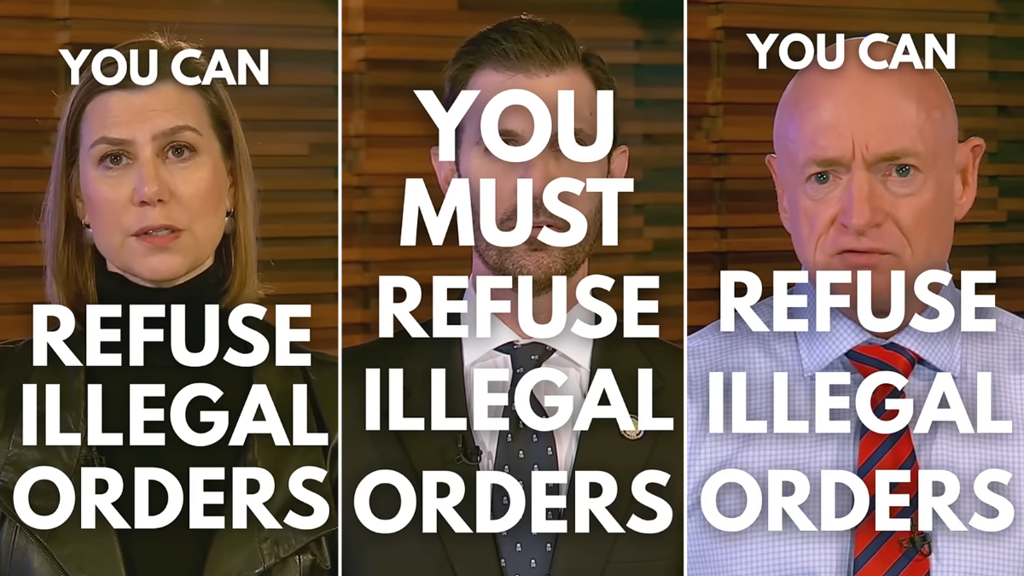
Several congressional Democrats have publicly urged military personnel to refuse orders from President Trump, citing concerns over potential illegal directives. This call to action has sparked debate about the implications of disobedience within the armed forces.
Democratic Representative Elissa Slotkin, a former CIA officer, has been particularly vocal, stating, "You can refuse illegal orders..." However, critics argue that the Democrats have not specified what constitutes an illegal order from the president. The lack of clarity has raised questions about the seriousness of their claims.
The discourse surrounding military orders has intensified, with some Democrats suggesting that the military is being "pitted against" American citizens. Slotkin has held town hall meetings with veterans, where participants expressed their concerns about Trump’s actions, though specific examples of illegal orders were not provided.
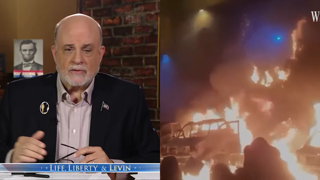
Critics, including former infantry sergeant Chris Bray, have dismissed these claims as vague and lacking substance. Bray noted that the rhetoric surrounding military disobedience is reminiscent of a "sh-thouse lawyer" in the barracks, suggesting that such advice is impractical and potentially harmful.
The debate touches on historical instances of military refusal, such as First Lt. Ehren Watada, who refused to serve in Iraq, citing the war as illegal. However, such cases often result in severe consequences for the service members involved.
Bray emphasized the seriousness of urging military personnel to disobey the president, stating, "An effort to get the military to stand against civilian authority is serious business. These are not serious people." He criticized the Democrats for failing to provide concrete examples of illegal orders, calling their approach a performance lacking in seriousness.
The conversation has also raised concerns about the role of intelligence agencies in political discourse, with some lawmakers suggesting that military personnel should align with directives from these agencies rather than the elected president. This has prompted further scrutiny of the relationship between military authority and civilian leadership.
As the dialogue continues, the implications of such calls for disobedience remain a contentious issue, with potential ramifications for military discipline and the chain of command. The lack of specific examples from lawmakers may undermine their credibility and the seriousness of their claims.