U.S. Immigration Enforcement and Law Enforcement: Balancing Security and Community Tensions
An in-depth look at immigration enforcement’s impact on law enforcement agencies, community relations, and public safety amid ongoing protests and legislative changes.
Additional reporting by Liam Walker, Theo Ramirez
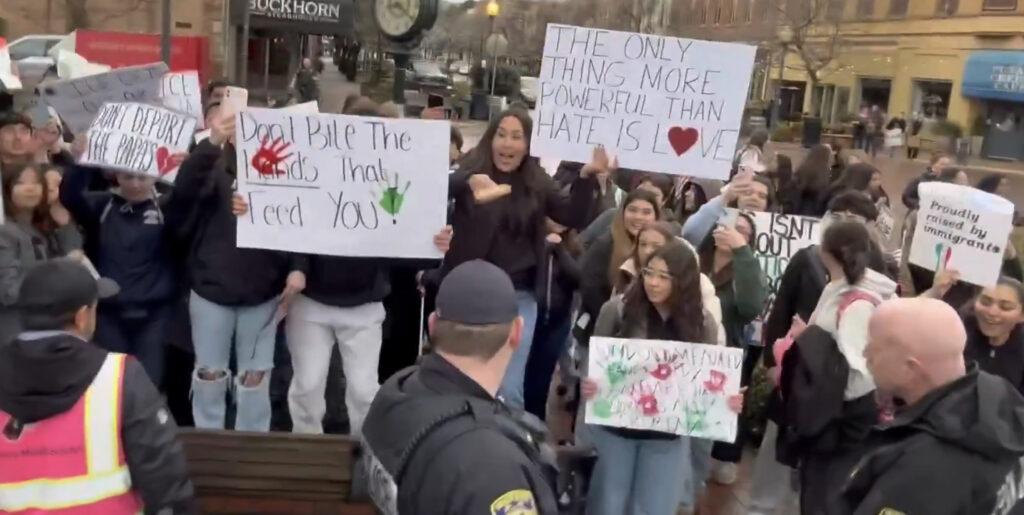
The Complex Landscape of Immigration and Law Enforcement
Immigration enforcement remains one of the most contentious arenas in American law enforcement today. Across the country, federal agencies like Immigration and Customs Enforcement (ICE) face increasing pressure amid a backdrop of protests, legislative reforms, and community unrest. These developments reflect not only political divisions but also a deeper struggle over how best to ensure national security while respecting community rights and public order.
Recent incidents—ranging from protests in New Jersey targeting ICE facilities to heightened coordination between local police and federal agents—highlight the evolving dynamics between enforcement agencies and the public they serve. These confrontations raise important questions about how immigration policies should be implemented practically and fairly, especially given the nationwide debate on border security and deportation strategies.
"We cannot allow political violence to undermine the rule of law or intimidate those enforcing America's immigration statutes"
Rising Tensions Around ICE and Protester Dynamics
Protests against ICE operations have surged in key states, resulting in numerous arrests and clashes with law enforcement. One example is the unrest outside an ICE facility in New Jersey, where demonstrators challenged immigration detentions, leading to multiple arrests for disorderly conduct and obstruction. This incident exemplifies the growing public resistance to ICE’s presence in communities, which some view as heavy-handed or politically motivated enforcement rather than impartial law application. The New Jersey situation serves as a microcosm of broader discontent, as protests across America's urban centers similarly contest federal immigration policies.
The situation in New Jersey also underscores the complications law enforcement faces when balancing constitutional rights to protest against the need to maintain order and enforce existing immigration laws. Local police departments are caught navigating this fine line—especially when protests escalate, as they sometimes do into violence or disruption.
Our coverage on New Jersey arrests details how multiple protesters were detained after tensions flared outside the ICE facility, sparking debate about the appropriateness of ICE’s role in local law enforcement.
Emerging Threats and the FBI’s Changing Role
While ICE focuses on immigration enforcement, the FBI’s involvement in immigration-adjacent security matters has drawn increased scrutiny. Notably, the FBI’s association with organizations like the Southern Poverty Law Center (SPLC) has raised ethical and procedural questions, especially following the SPLC’s indictment on serious charges including wire fraud and conspiracy to commit money laundering. The investigation into these ties reflects concerns about potential biases influencing federal investigations.
The FBI has also been at the center of terrorism-related investigations tied to violent protests. For example, authorities recently investigated an incident in New York City where a "homemade bomb" was thrown during a protest. This event prompted questions about whether such acts constitute terrorism and what law enforcement responses are necessary to protect civil liberties while ensuring public safety. Given the fragile national security environment, the FBI’s actions and alliances remain under close examination by lawmakers and the public alike.
Detailed information about the FBI and the SPLC controversy can be found in our report on the FBI's ties amid indictment.
Increased Cooperation Between Local Police and ICE: A Strategic Shift
Despite protests and public pushback, some local law enforcement agencies are expanding their partnerships with ICE. This cooperation aims to strengthen enforcement against illegal immigration and related crimes, emphasizing public safety. Local police from various jurisdictions have recognized the need for more integrated approaches to immigration enforcement, often driven by concerns over criminal activity linked to undocumented status or sanctuary policies that limit cooperation with federal authorities.
Indiana recently embraced such enforcement intensification by amending state immigration laws to facilitate broader cooperation between local law enforcement and ICE. These legislative changes are designed to bolster enforcement tools, enabling authorities to better identify and remove illegal aliens with criminal backgrounds. This move reflects a growing trend in some red states to push back against permissive immigration policies and to prioritize enforcement measures that many law-abiding citizens demand.
Our coverage on Indiana’s amended immigration bill provides further insight into these policy shifts and their implications for law enforcement operations on the ground.
Similarly, discussions about local police responsibilities in enforcing immigration laws have become more prominent. As noted in our editorial advocating for stronger mandates in red states, requiring all police to assist in deportations could enhance enforcement and public trust in safety initiatives on local police cooperation.
The Aftermath of Violent Incidents and Public Safety Concerns
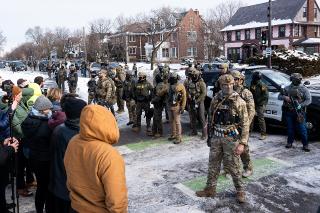
Violent episodes linked to immigration enforcement have intensified both the debate and the stakes involved. In Minneapolis, a high-profile Border Patrol shooting exacerbated community tensions, reigniting conversations about the use of force and the broader deportation policy framework. The incident precipitated protests, some of which escalated into unrest, underscoring the volatility immigration enforcement can generate in certain communities.
Law enforcement agencies have had to contend not only with protests related to immigration but also with emergent concerns about domestic terrorism. The Minneapolis situation, combined with other attacks on ICE agents and property, has forced federal and local agencies to reevaluate security measures and coordination protocols to protect officers and the community alike.
Recent events in Minnesota also highlight the increasing scrutiny ICE faces, with criticism mounting against agents amid protests. However, critics often overlook that enforcement officers operate under strict legal mandates designed to uphold the rule of law amid complex social and political pressures. For more details about the challenges ICE faces there, see the report on criticism of ICE agents.
The broader crime landscape intersects with immigration enforcement efforts. Nationally, the U.S. murder rate has declined sharply, indicating that strategic law enforcement policies—including immigration enforcement—can contribute to enhanced safety outcomes. More on those statistics is in our article about the murder rate decline.
Political Influences and Media Portrayals of Enforcement Efforts
Politics deeply colors the discourse around immigration enforcement. Democratic leaders often emphasize humanitarian and civil rights concerns, while Republican officials tend to prioritize strict enforcement and border security. This divide contributes to inconsistencies in enforcement on the ground, affecting cooperation between federal and local agencies.
Mainstream media outlets have been accused of bias in their coverage of ICE and immigration enforcement. Some conservative analysts argue that certain media narratives misrepresent ICE’s activities, painting lawful enforcement actions as politically motivated abuses. This perception fuels mistrust among citizens and complicates law enforcement’s public relations efforts. Our detailed analysis on media misrepresentation explores how coverage can skew public understanding.
Furthermore, investigations revealed that some media channels have engaged in operations sympathetic to anti-ICE activist networks, raising questions about impartiality and security implications. A focused report on how NBC reportedly supported anti-ICE efforts sheds light on these controversial arrangements.
Political violence tied to immigration protests has prompted strong statements from both lawmakers and law enforcement officials. For instance, New York State Attorney General Letitia James condemned the violence but stopped short of blaming ICE, instead calling for broader reforms. Meanwhile, conservative figures demand accountability for protesters who engage in violence or property destruction—highlighting a need for stronger responses to protect agents and communities alike.
"We cannot allow political violence to undermine the rule of law or intimidate those enforcing America's immigration statutes," said a senior law enforcement official during a recent hearing.
Legal Battles and the Role of Courts in Shaping Enforcement
The judiciary remains a pivotal battleground for immigration enforcement policies. Various lawsuits challenge the legality of detention practices, deportation timing, and the legitimacy of sanctuary cities. Courts have occasionally limited federal authorities’ reach, complicating enforcement efforts. Conversely, other rulings have reaffirmed the government's right to secure borders and enforce immigration laws uniformly.
Recent judicial scrutiny includes cases involving the SPLC indictment and its impact on FBI practices, as well as challenges to local police cooperation with ICE. These legal developments emphasize the importance of clear and consistent policies amid complex federal-state dynamics.
An in-depth look at legal protections for anti-enforcement activists further demonstrates how certain organizations appear to shield protesters from prosecution, complicating law enforcement’s ability to maintain order.
Policymakers must navigate these legal intricacies carefully to ensure laws are enforced justly while avoiding unconstitutional overreach. The evolving case law in immigration enforcement will likely have lasting implications for future federal and state law enforcement partnerships.
The Future of Immigration Enforcement and Law Enforcement Cooperation
Looking ahead, it is clear that law enforcement agencies will continue facing significant challenges in balancing immigration enforcement with public acceptance and civil rights. As Congress debates immigration reform, local law enforcement agencies must maintain readiness against rising threats while fostering community trust.
Expanding training on cultural sensitivity and legal compliance can improve relations, though some reforms must come from legislative changes that clarify the roles and responsibilities of state and local police vis-à-vis ICE. States like Indiana serve as examples of how policy amendments can provide law enforcement with necessary tools to enforce immigration laws effectively.
At the national level, greater transparency and accountability in federal agencies like ICE and the FBI will be needed to reduce public suspicion and ensure law enforcement operations are conducted fairly and lawfully.
Engagement among law enforcement, communities, and policymakers will be central to evolving immigration enforcement strategies that safeguard American security and uphold the rule of law.
We continue to monitor fights over enforcement policies and community impacts in areas such as Minnesota and New Jersey, providing updates on evolving protests, legislation, and security measures. For ongoing developments, follow our coverage on local police increases in ICE cooperation and other regional law enforcement dynamics.
In conclusion, immigration enforcement is not merely about border control but about balancing safety, legality, and social cohesion at every level of law enforcement. Policymakers must confront these complexities with clear-eyed pragmatism to protect American communities effectively.
Frequently asked questions
Why are protests against ICE so frequent and intense?
Many protesters oppose ICE due to concerns over harsh deportations, family separations, and perceived overreach of federal enforcement in local communities, fueling demonstrations especially outside detention centers.
What is the significance of local police cooperating with ICE?
Local cooperation with ICE enables more efficient identification and detention of illegal immigrants with criminal records, but it also raises controversy where communities favor sanctuary policies to limit such collaboration.
How does the FBI's relationship with the SPLC affect immigration enforcement?
The FBI's ties to SPLC raise questions about potential influence from advocacy groups on federal investigations, calling into question impartiality and law enforcement priorities.
What legal protections exist for anti-ICE protesters?
Certain legal organizations potentially shield protesters from prosecution, complicating enforcement efforts and raising debates over civil rights and public safety boundaries.
Are immigration enforcement efforts linked to crime rates?
Enhanced immigration enforcement has coincided with declines in certain crime rates, including murder, demonstrating law enforcement’s role in improving public safety, though causation is complex and multifaceted.
What role do courts play in shaping immigration enforcement?
Courts adjudicate challenges to detention practices, deportation policies, and sanctuary laws, thereby influencing how enforcement agencies operate within constitutional limits.
How do media portrayals impact immigration enforcement?
Media coverage shapes public opinion and political pressure on immigration agencies—biased reporting can either undermine or bolster enforcement efforts, depending on the narrative.
What legislative trends affect immigration enforcement at the state level?
Some states are enacting stronger enforcement laws increasing police cooperation with ICE, while others resist federal mandates aiming to protect undocumented immigrants, reflecting a divided national stance.
Timeline of our coverage
- 2026-06-01 — New Jersey Riots Lead to Arrests of Protesters Outside ICE Facility
- 2026-05-04 — FBI's Ties to SPLC Under Scrutiny Following Indictment
- 2026-03-09 — 'Homemade Bomb' Thrown at NYC Protest, Authorities Investigate Possible Terrorism
- 2026-02-18 — Local Police Cooperation with ICE Increases Amid Protests
- 2026-02-03 — Indiana Lawmakers Amend Immigration Bill to Enhance Enforcement Measures
- 2026-02-03 — Criticism of ICE Agents Escalates Amid Protests in Minnesota
- 2026-01-29 — Debate Intensifies Over Deportation Policies Following Border Patrol Shooting
- 2026-01-26 — Shooting in Minneapolis Raises Tensions Over Immigration Enforcement
- 2026-01-23 — U.S. Murder Rate Declines to Historic Low Amid Policy Changes
- 2026-01-22 — Federal Agents Arrest Anti-ICE Activists Following Church Incident in Minnesota
- 2026-01-19 — Trump Administration Faces Criticism Over Response to Minnesota Church Incident
- 2026-01-19 — Minneapolis Faces Unrest Amid Allegations of Insurrection
- 2026-01-15 — Shooting Incident in Minneapolis Raises Concerns Over Law Enforcement Resistance
- 2026-01-12 — New York Times Analysis Sparks Debate Over Minneapolis Shooting Incident
- 2025-12-16 — FBI Emails Reveal Doubts Over Mar-a-Lago Raid Justification
- 2025-12-16 — Four Extremists Charged in Alleged New Year’s Eve Bomb Plot in Los Angeles
- 2025-11-13 — Red States Need To Require All Police To Help Deport Illegals
- 2025-11-12 — A Former Agent Makes A Case For Reform At The FBI
- 2025-10-30 — NY's Soft Laws Mean No Consequences For Murder Threats
- 2025-10-24 — NBC Is Helping Run Anti-ICE Ops For Dems
The Bottom Line
- Immigration enforcement is a cornerstone of national security and public safety.
- Law enforcement cooperation between local, state, and federal agencies determines enforcement effectiveness.
- Public unrest around immigration policies can compromise community trust and safety.
- Media narratives shape public perceptions, influencing political and legal outcomes.
Sources
- Federal Grand Jury Charges Southern Poverty Law Center for Wire Fraud, False Statements, and Conspiracy to Commit Money Laundering
- Letter to FBI Director Christopher Wray Regarding SPLC
- USCIS
- Atlantanewsfirst.com: Federal Indictment Accuses Splc Secretly Funding Hate Groups While Soliciting Donations (Jun 05, 2026)
- Foxnews.com: Doj Says Southern Poverty Law Center Funneled 3m White Supremacist Extremist Groups Like Kkk