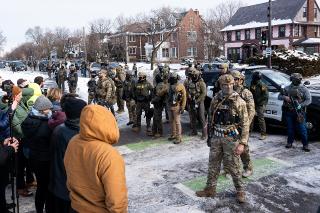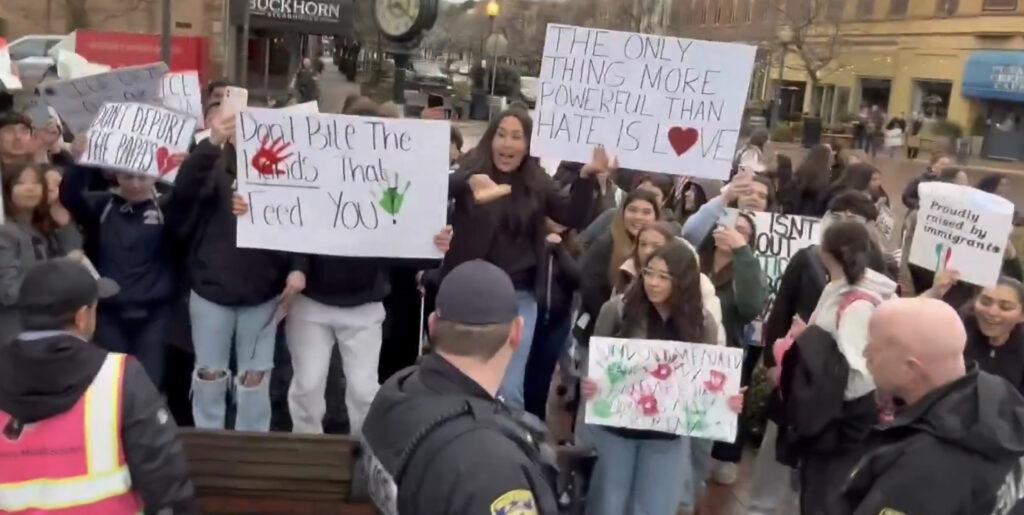
Local police agreements with U.S. Immigration and Customs Enforcement (ICE) have surged significantly, with a total of 1,427 memoranda of understanding signed across 40 states as of mid-February 2026. This notable increase occurs despite ongoing protests against ICE and immigration enforcement, highlighting a growing divide between public sentiment and the narratives put forth by activists. The situation presents a complex picture of how local law enforcement agencies are navigating their roles in immigration enforcement amidst public outcry.
Explainer Public Safety and Crime Trends in America: Understanding the Landscape
The core tension lies in the apparent contradiction between public protests against immigration enforcement and the rising number of local police agencies cooperating with ICE. While activists claim that the enforcement of immigration laws is becoming less popular among the general public, data suggests that many local jurisdictions are increasingly formalizing their partnerships with ICE. This trend raises questions about the true nature of public opinion regarding immigration enforcement.
An analysis conducted by FWD.us, a nonpartisan organization that advocates for immigration reform, revealed that as of the end of January 2026, 1,168 police departments had officers enrolled to assist ICE. This figure represents a significant increase from just 135 departments during the Biden administration. The data indicates a notable shift in how local law enforcement views its role in immigration enforcement, even as protests against ICE grow more frequent and visible.
Rising Agreements
ICE reports that as of February 13, 2026, it had signed 1,415 agreements under Section 287(g) of the Immigration and Nationality Act. This section allows local law enforcement to assist in immigration enforcement activities. The number of local agencies joining the program has accelerated markedly, with nearly 150 new agencies signing on in the first few weeks of 2026 alone. This uptick in agreements sharply contrasts with the narrative presented by some activists and media outlets, which suggest a widespread public opposition to immigration enforcement.
The ICE website indicates that as of February 17, 2026, the number of signed agreements had risen to 1,427, with additional agencies pending approval. This formal cooperation between local police and ICE suggests a complex public sentiment regarding immigration laws and enforcement, one that may not align with the more vocal opposition seen during protests.
Political Responses
In response to the growing number of 287(g) agreements, some Democratic politicians have moved to restrict these partnerships. For instance, Virginia Governor Abigail Spanberger signed an executive order on her first day in office to prohibit agreements between ICE and state police agencies. Similarly, Maryland Governor Wes Moore enacted emergency legislation to ban similar agreements. Critics of these actions argue that they are aimed at protecting political interests rather than genuinely addressing public safety or immigration concerns.
As protests against ICE continue, some mainstream journalists have begun to take notice of the increasing cooperation between local law enforcement and ICE. This juxtaposition raises important questions about how well elected officials are representing the views of their constituents. Chris Bray, a former infantry sergeant and historian, noted that the growing number of agreements reflects a significant public desire for immigration laws to be enforced, which contrasts sharply with the prevailing activist narrative.
Public Sentiment
While protests against ICE often dominate media coverage, the data suggests that many Americans support the enforcement of immigration laws. This sentiment is reflected in the increasing number of local police agencies willing to collaborate with ICE. The rise in agreements indicates a potential disconnect between activist rhetoric and the views of the general public, suggesting that many citizens may prioritize law enforcement and public safety over calls for more lenient immigration policies.
Supporters of the 287(g) agreements argue that they are essential for effective law enforcement and public safety. They contend that such partnerships can help local police address crime more effectively. However, critics contend that these partnerships undermine trust between immigrant communities and law enforcement, potentially leading to increased fear and reluctance to report crimes among those communities.
The ongoing debate over immigration enforcement and local police cooperation with ICE highlights the complexities of public opinion on this issue. As protests continue, the increasing number of agreements suggests that many Americans may prioritize law enforcement and public safety over the calls for more lenient immigration policies. The situation remains fluid, with both sides of the debate continuing to assert their positions amidst changing public attitudes and evolving political landscapes.