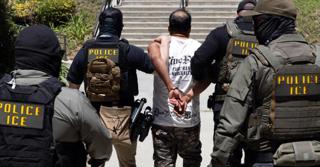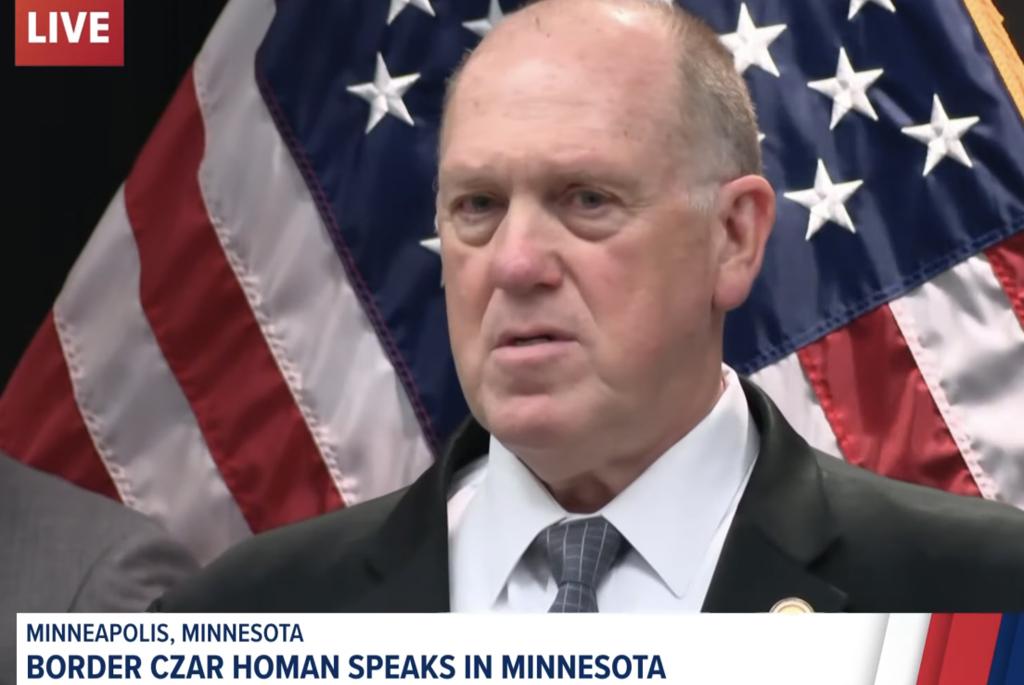
The Department of Homeland Security (DHS) has announced the withdrawal of Immigration and Customs Enforcement (ICE) agents from Minneapolis. This decision has sparked a debate among critics, who are framing it as a retreat in immigration enforcement. Border Czar Tom Homan confirmed the end of the ICE surge in Minnesota on Thursday morning, raising concerns about the implications for immigration policy in the region and potentially beyond.
Explainer Understanding ICE: Enforcement, Operations, and the Immigration Debate
The core tension surrounding this drawdown arises from its timing. Many observers believe it signals a strategic shift in enforcement priorities rather than a straightforward reduction in overall immigration enforcement. Critics argue that this could lead to increased enforcement actions in other states, particularly California, where ICE is reportedly expanding its presence.
In recent weeks, reports have indicated that the DHS is ramping up its operations in California. Plans for new and expanded ICE offices are underway, with a Trump administration official stating to Wired that California and New York are “next” for the type of fraud investigation that previously necessitated a significant ICE presence in Minneapolis. This expansion includes at least seven leasing projects across California, with new offices being established in key locations such as Sacramento, Irvine, and Van Nuys.
Increased Enforcement in California
The DHS has already observed a notable increase in immigration arrests in California, particularly in border communities. Data analyzed by CalMatters revealed a staggering nearly 1500% rise in arrests from May to October compared to the same period the previous year. In the San Diego region, federal immigration officers arrested more than twice as many individuals in September and October as they did in all of 2024, highlighting a significant uptick in enforcement activity.
As the drawdown in Minneapolis unfolds, Secretary of Homeland Security Kristi Noem is scheduled to hold a press conference in San Diego. Many observers believe this timing is strategic, aimed at addressing the developments related to immigration enforcement. However, the DHS has not publicly confirmed the specific destinations of the ICE and Customs and Border Protection (CBP) officers leaving Minnesota, which raises questions about the agency's overall enforcement strategy moving forward.
Homan's announcement has drawn criticism from various quarters. Todd Starnes, a conservative commentator, described the withdrawal as a “full and complete surrender” to what he termed “invaders” and the political left. This sentiment reflects a broader concern among some lawmakers and activists that the federal government is not adequately addressing immigration enforcement and is instead retreating from its responsibilities.
Balancing Perspectives
Supporters of the drawdown argue that it reflects a necessary rebalancing of resources within the DHS. They contend that allowing for more targeted enforcement where it is most needed is a more effective use of federal resources. By focusing efforts on areas with higher rates of unauthorized immigration, they believe the DHS can better address the complexities of immigration enforcement. However, critics maintain that this shift could lead to increased vulnerabilities for communities that may feel the impact of intensified enforcement in other regions.
The Federalist has reached out to DHS officials for clarification on the future deployment of ICE and CBP officers but has not received a response as of yet. As the situation develops, the implications of this drawdown for immigration enforcement across the country remain to be seen.
The end of the ICE surge in Minneapolis may not signify a decrease in immigration enforcement overall. Instead, it may represent a strategic pivot toward areas perceived as higher priority for enforcement actions. Observers will be closely monitoring the outcomes of this shift, particularly in California, where the federal government is expanding its immigration enforcement footprint and increasing its operational presence.