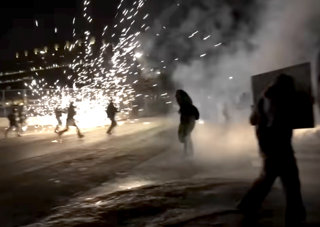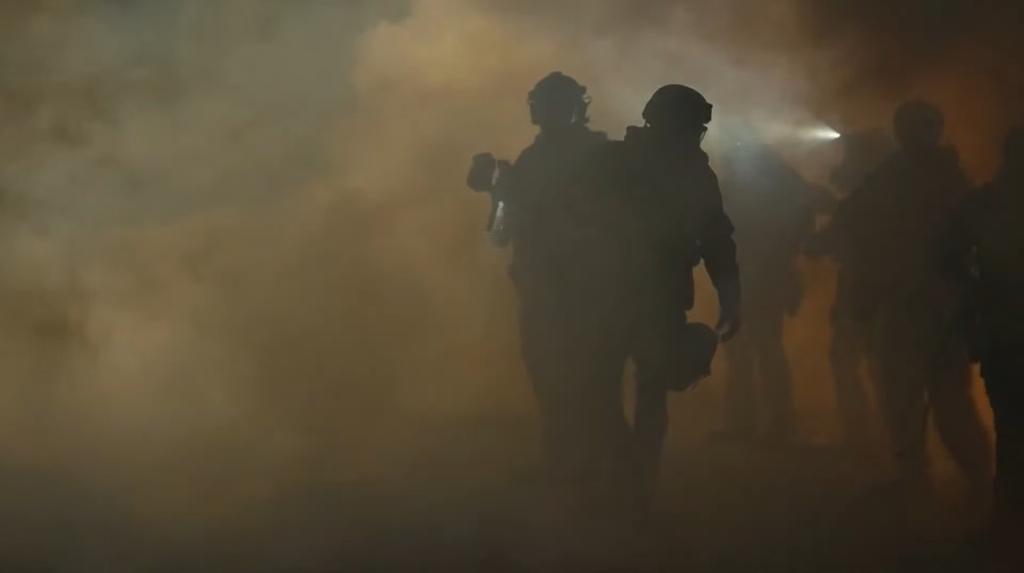
Minneapolis is currently facing escalating unrest as protests against law enforcement operations have turned violent. This violence has resulted in significant property damage and allegations of insurrection. Law enforcement officials reported that a suspected gang member stole an M16A1 rifle from an FBI vehicle during the chaos, raising serious concerns about public safety and the effectiveness of current law enforcement strategies in managing such volatile situations.
Explainer Understanding Immigration Enforcement: Policies and Controversies
The unrest has highlighted a growing tension between local authorities and protesters. Critics argue that the unrest is fueled by political support for the demonstrators, complicating the response from law enforcement. Acting Special Agent in Charge Jarrad Smith of the FBI Minneapolis emphasized the severity of the situation, stating, "There is a clear, bright line between peaceful protest and lawless destruction." His comments underscore the dangers posed by the ongoing violence and the challenges faced by law enforcement in maintaining order.
Background of the Unrest
The unrest in Minneapolis has drawn comparisons to previous riots, particularly those that followed the death of George Floyd in 2020. Recent protests have been characterized by aggressive actions against federal law enforcement, including vandalism of vehicles and assaults on officers. The Department of Justice confirmed that federal agents had to abandon their vehicles due to the escalating violence, which raises questions about the adequacy of law enforcement responses in such high-stakes situations.
President Donald Trump has weighed in on the situation, suggesting that if local leaders do not take decisive action against the unrest, he may invoke the Insurrection Act. Trump stated, "If the corrupt politicians of Minnesota don’t obey the law & stop the professional agitators & insurrectionists from attacking the Patriots of I.C.E., I will institute the INSURRECTION ACT." His comments reflect a broader concern about the perceived inability of local officials to maintain order amidst the unrest.
Political Responses and Perspectives
Some political figures have expressed caution regarding the invocation of the Insurrection Act. Senator Lisa Murkowski of Alaska likened the current unrest to the George Floyd protests, suggesting that such a move could escalate tensions further. Critics argue that invoking the act could lead to increased violence and further divide communities, complicating an already tense situation.
Supporters of the protests argue that they are a necessary response to systemic issues within law enforcement and immigration policies. They contend that the actions taken by protesters are a form of civil disobedience aimed at highlighting injustices faced by marginalized communities. However, the violent turn of recent protests has drawn condemnation from various quarters, including law enforcement agencies, which have expressed concern over the safety of their officers and the public.
Law Enforcement's Challenges
The ongoing unrest raises significant questions about the tools available to law enforcement in Minneapolis and other major cities across the United States. Critics of the current administration's approach to policing argue that the lack of support from local leaders has hampered effective responses to violent protests. Some have called for a reevaluation of strategies to ensure public safety while still respecting the right to protest peacefully.
As the situation continues to develop, many are left wondering what measures will be taken to restore order in Minneapolis. The city has faced repeated cycles of unrest, leading to concerns about the long-term implications for community safety and governance. In the face of these challenges, law enforcement agencies are working diligently to identify those responsible for the violence and restore public trust.
The FBI and other federal agencies have committed to ensuring that those engaging in violent behavior will be held accountable, as they navigate the complexities of civil rights and public safety. The unrest in Minneapolis serves as a stark reminder of the ongoing tensions surrounding law enforcement and community relations in the United States. As protests continue, the balance between maintaining order and respecting civil liberties remains a critical issue for both local and federal authorities, highlighting the need for effective dialogue and resolution strategies.