Memos released by the White House Government Transparency Task Force show that FBI agents working for special counsel Jack Smith used a pen register on Trump campaign aide Susie Wiles’s phone from February to May 2023, logging contacts with at least 21 lawyers, campaign staff, advisers, and journalists. Rob Chadwick, a former head of tactical training at the FBI Academy, said the bureau’s actions in this case fell outside normal practice for investigations involving top government officials.
The central issue, according to Chadwick, is whether agents and prosecutors fully informed the judge about the sensitivity of the targets, which included lawmakers and attorneys, when seeking the pen register order.
Smith’s classified-documents investigation of former President Trump, code-named Plasmic Echo, was approved by Attorney General Merrick Garland. Internal FBI objections raised concerns about the lack of probable cause for the August 2022 Mar-a-Lago search, but the Justice Department overruled them and allowed the search to proceed. The investigation has drawn scrutiny for its methods and transparency, especially as it relates to the handling of privileged communications and the documentation of interviews.
Use of Pen Register on Campaign Aide
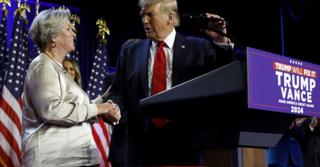
According to the released memos, the FBI’s pen register on Susie Wiles’s phone tracked calls to and from at least 21 Trump-affiliated lawyers, staff, political advisers, and journalists. Pen registers do not record call content but capture who was called, call origin, and duration. Chadwick said such surveillance is highly sensitive when it involves a presidential campaign, stating, "It certainly falls outside of the normal scope because we're talking about a presidential team. This is the highest level of government in the United States, highest level of trust, of course, and levels of sensitivity [...] it doesn't get any more sensitive than that."
"The question is, what information was given to the judge who issued that warrant to launch this pen register, and that's the key. What was told, and what may have been withheld? That's the real question. How forthright were the affiants when they applied for that pin register on these most sensitive of individuals?"
— Rob Chadwick, former FBI tactical training chief
Chadwick questioned whether the judge who approved the surveillance was told the full truth about the targets’ roles and the sensitivity of the investigation. He noted that while such orders can be lawful, transparency with the court is critical in cases involving high-level political figures.
Documentation and Interview Procedures
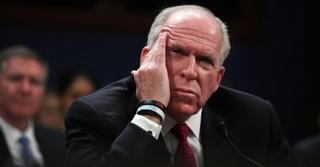
Chadwick also criticized the lack of written notes or a Form 302 summary from an FBI interview with former CIA Director John Brennan in November 2023. The FBI’s typed summary stated that original notes would be attached, but the released notes were blank except for basic details. Chadwick called this omission “curious,” referencing the Justice Department’s long-standing requirement to document interviews in writing, as outlined in the Justice Manual.
Smith’s team met Brennan at CIA headquarters to discuss possible expert testimony on national defense information, but no documents were shown during the meeting, according to the summary. The absence of detailed notes has raised further questions about adherence to standard FBI procedures.
Congressional Scrutiny and Official Responses
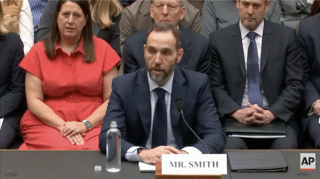
Senate Judiciary Chairman Chuck Grassley has pressed Smith on whether he misled Congress about his interactions with Brennan. Smith told Grassley he had not met Brennan or received his counsel as special counsel, but Grassley called this response “highly evasive and misleading, at minimum,” citing records of the November 2023 meeting.
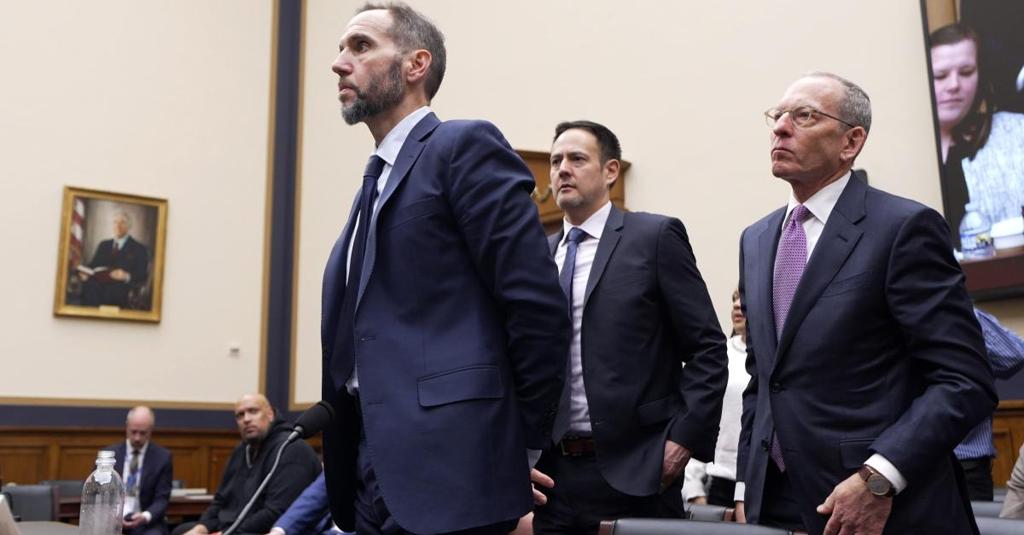
House Judiciary Chairman Jim Jordan has renewed calls to investigate whether Smith misled Congress regarding his contacts with Brennan. The Justice Department and Smith’s office have not publicly addressed Chadwick’s criticisms or the concerns raised by lawmakers about the probe’s methods.
The investigation into Trump’s handling of classified documents has faced repeated scrutiny over its tactics, including the collection of toll records from Republican lawmakers and the use of surveillance tools on campaign staff. The Justice Department’s override of internal FBI objections and the lack of detailed documentation in key interviews remain points of contention.