A newly released Department of Justice (DOJ) report reveals that senior Biden administration officials pressured the DOJ to pursue federal investigations into parents protesting at school board meetings, despite initial resistance from career officials. The report, as cited by The Federalist, details how DOJ leadership moved forward with the controversial 2021 memorandum after direct pressure from both the White House and top DOJ leaders.
The findings underscore ongoing tensions regarding the federal government's involvement in addressing parental dissent at local school boards. Critics argue that the administration may have overstepped its authority, raising questions about the appropriate boundaries between federal and local oversight in education.
The controversy began in September 2021, when the National School Boards Association (NSBA) sent a letter to the Biden administration. The letter described parents' protests over issues such as critical race theory and Covid-19 policies as an "immediate threat" and suggested that some actions could be considered "equivalent to a form of domestic terrorism." This language drew swift backlash from parents, lawmakers, and advocacy groups. The NSBA later apologized, acknowledging "there was no justification for some of the language included in the letter."
DOJ Memo and Internal Pushback
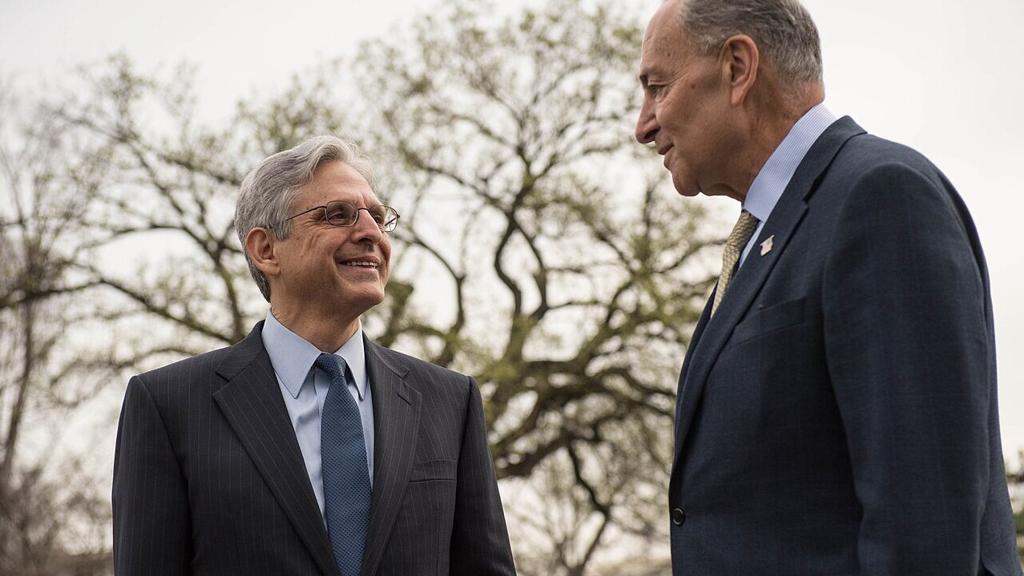
In response to the NSBA letter, then-Attorney General Merrick Garland issued a memorandum instructing the FBI and federal law enforcement agencies to coordinate with state and local authorities to address threats against school officials. The DOJ subsequently opened 25 preliminary assessment files regarding alleged threats at school board meetings across the country.
According to the new DOJ report, some senior officials within the department initially questioned the constitutionality and appropriateness of the NSBA's request. For example, an email from Kevin Chambers, who was then associate deputy attorney general, called the effort to label parents as domestic terrorists "ridiculous." Despite this internal pushback, the DOJ proceeded with the Garland memo after receiving pressure from the White House and the Office of the Deputy Attorney General.
Matt Kittle of The Federalist commented on the report, stating, "The Biden White House was squarely behind Garland’s effort to find a federal ‘hook’ to prosecute parents and school policy protesters with federal crimes."
The report further indicates that the Biden administration coordinated with the NSBA on messaging strategies to counter parents and other critics of critical race theory and transgender policies. This coordination has fueled ongoing debate about the extent of federal involvement in local education issues.
Congressional Scrutiny and Broader Implications
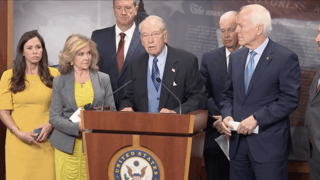
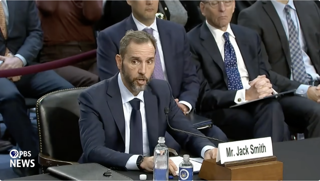
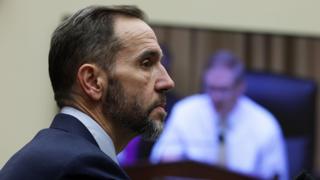
The release of the DOJ report comes at a time of heightened congressional scrutiny. Former Special Counsel Jack Smith recently testified before Congress, and during a Senate Judiciary Committee hearing, Sen. Chuck Grassley, R-Iowa, disclosed that Smith's team had obtained communications from more than a dozen media outlets, including The Federalist's Editor-in-Chief Mollie Hemingway. This was part of an investigation known as "Arctic Frost."
Grassley further alleged that Smith's team targeted nearly 5,000 Americans who donated to former President Donald Trump, with their personal information shared with federal authorities. These revelations have intensified concerns among some lawmakers and advocacy groups about the use of federal power to investigate political opponents, including parents, journalists, and donors.
The Federalist contends that these actions demonstrate a pattern by the Biden administration of using federal resources to investigate individuals and groups who oppose its policies. However, both the DOJ and the NSBA have previously stated that there was no collusion between the administration and the association. An independent review commissioned by the NSBA found no evidence of direct coordination between the two entities.
The DOJ's official statement on the original Garland memo emphasized that the department's focus was on addressing violent threats, not peaceful protest. The statement underscored the importance of protecting school officials and teachers from violence and intimidation, while also respecting the rights of parents and community members to express their views.
Administration officials have not directly responded to the latest report's claims regarding White House involvement in the DOJ's decision-making process. The debate over the federal government's role in local education policy and protest continues to be a flashpoint, especially as the country approaches the upcoming midterm elections.
The issue has become emblematic of broader political and cultural divides, with some viewing federal intervention as necessary to ensure safety and order, while others see it as an overreach that threatens free speech and local control. As investigations and congressional hearings continue, the controversy is likely to remain at the forefront of national discussions about education, civil liberties, and the limits of federal authority.