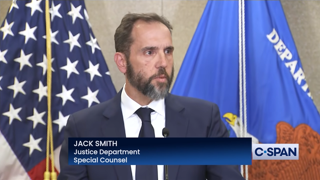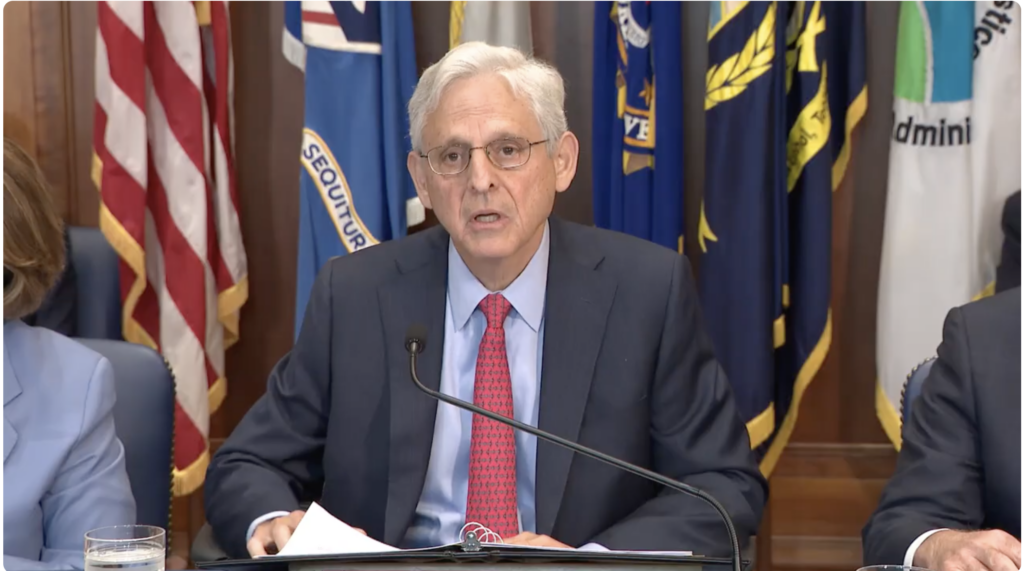
A newly released Department of Justice (DOJ) report asserts that the Biden White House pressured DOJ leadership to pursue federal investigations into parents who protested school board policies on issues such as critical race theory and COVID-19 mandates. The report, released by Attorney General Todd Blanche, claims senior administration officials sought to "bring federal pressure to bear on parents" and pushed for the controversial 2021 memorandum from then-Attorney General Merrick Garland.
The findings add fuel to ongoing debates over the federal government's role in local education disputes and the boundaries of political dissent. The controversy began after the National School Boards Association (NSBA) sent a letter to President Joe Biden in September 2021, urging the administration to treat confrontational parents as potential domestic terrorists. The NSBA later apologized for its language, admitting "there was no justification for some of the language included in the letter" and acknowledging it had not consulted state affiliates before sending it.
White House Involvement Detailed
According to the DOJ's Weaponization Working Group, White House officials, including Deputy Associate Counsel Ephraim McDowell and senior adviser Mary C. Wall, coordinated with the NSBA before the letter's release. Internal emails show Wall requested a preview of the letter to discuss "options we can pursue here" with DOJ and other White House offices. The report states that after the NSBA letter was sent, high-ranking administration officials considered the issue "fairly urgent" and pressed DOJ leadership for action.
Despite initial resistance from both career DOJ officials and Biden appointees—who questioned the constitutionality of federal intervention—the department moved forward with Garland's memo after pressure from the White House and DOJ leadership. The memo directed federal law enforcement to address threats against school officials and teachers, resulting in 25 preliminary FBI assessments, though none led to prosecution. The DOJ's actions followed a period of heightened tensions at school board meetings nationwide, where debates over mask mandates, curriculum content, and transgender student policies became increasingly contentious.
Internal Pushback and Criticism
The DOJ report describes significant internal dissent. Some DOJ attorneys called the effort "stupid," "ridiculous," and a "partisan exercise aimed at those who do not support the Administration." Kevin Chambers, associate deputy attorney general, initially called the matter a "local issue" but later questioned whether some threats might have a federal dimension. FBI officials also warned against broadly labeling parental protests as domestic terrorism, with one agent writing, "This is potentially dangerous ground, to blanket label generalized activity that constitutes DT [domestic terrorism] regardless of federal violations."
The report includes the voices of parents who felt targeted by the federal response. One parent, speaking at a DOJ roundtable, said, "According to the federal government, we’re the bad ones … They came after me relentlessly."
The NSBA's coordination with the Department of Education to develop talking points on critical race theory and transgender policies is also detailed in the report. The DOJ report references a 2023 House Judiciary Committee interim report, which found "the absence of a legitimate nationwide basis for the Attorney General’s directive to insert federal law enforcement into local school board matters."
Ongoing Fallout and Recommendations
The DOJ's Weaponization Working Group recommends allowing parents who were targeted to review DOJ reports on them and adding disclaimers to assessments noting the memo "raised serious constitutional concerns." The report also highlights the case of Scott Smith, a parent included in the NSBA's list of potential domestic terrorists after speaking out about his daughter's assault in a Virginia school restroom. Smith was later pardoned by then-Governor Glenn Youngkin after being arrested at a school board meeting.
According to the report, the DOJ continued to track and investigate parents after the NSBA withdrew its letter. At a DOJ roundtable in June, a parent described being targeted and harassed following the Garland memo, stating it served as a "green light" for activists to intimidate dissenters. The report suggests that the federal response had a chilling effect on parental involvement in school board meetings and public education debates.
The Biden administration and DOJ officials have not publicly addressed the latest report's findings. The controversy continues to shape discussions about the appropriate role of federal law enforcement in local education matters and the protection of free speech rights for parents and community members.
For further background, the DOJ's original 2021 statement on addressing threats against school officials can be found at the Justice Department's official website.