Senator Raphael Warnock, D-Ga., has intensified his criticism of the U.S. Supreme Court, particularly regarding its recent rulings on voting rights. This criticism comes amid a backdrop of increasing threats against conservative justices, which have raised significant concerns about their safety. Warnock's remarks are particularly timely as commentators and political analysts link heightened rhetoric surrounding the court to real-world violence against justices.
The core tension in this discourse lies in the balance between free speech and the potential consequences of inflammatory language. As threats against justices have reportedly surged since the court's controversial decisions, critics argue that such rhetoric can incite violence. Conversely, supporters of Warnock's position contend that holding the court accountable is essential for the preservation of democracy and civil rights.
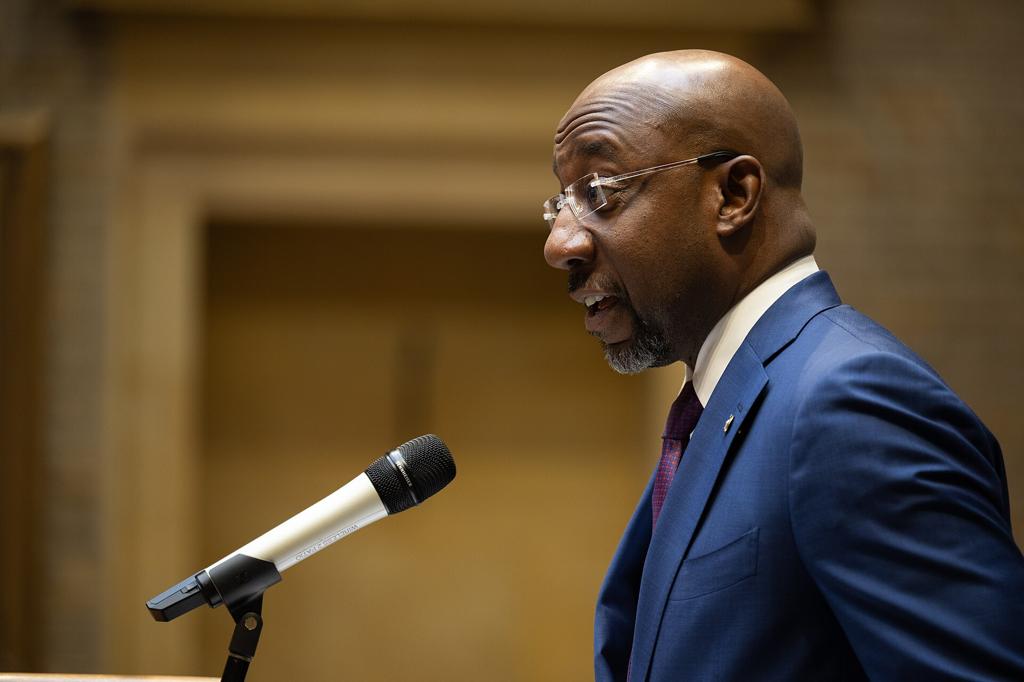
In a recent interview with the New York Times, Warnock described the Supreme Court's ruling in Louisiana v. Callais as a "Jim Crow in new clothes." He claimed that this ruling undermines the ability of ordinary citizens to participate meaningfully in the democratic process. Warnock accused the court of "committing violence against the ways in which ordinary people can have a voice in our system," referencing the court's history of decisions that he argues have systematically eroded voting rights over time.
Key Details
Warnock's comments reflect a broader narrative among some Democrats who believe that the Supreme Court has shifted away from its role in protecting civil rights. The Louisiana ruling, which deemed the state's congressional map unconstitutional due to racial gerrymandering, has been framed by Warnock and others as a significant setback for voting rights and democratic representation.
Rising Threats Against Justices
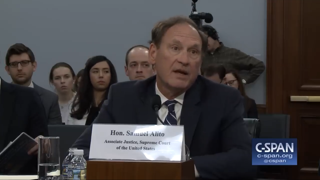
The context of Warnock's statements is critical, as threats against Supreme Court justices have reportedly increased in recent years. Following the leak of a draft opinion indicating the court's intention to overturn Roe v. Wade, there were numerous threats directed at conservative justices. This prompted heightened security measures for the justices. For example, Justice Samuel Alito and his family were moved to a secure location due to escalating threats, while Justice Amy Coney Barrett was reported to have worn a bulletproof vest in public to ensure her safety.
Warnock's comments have drawn criticism from some quarters, suggesting that his rhetoric may contribute to the climate of hostility surrounding the court. Critics argue that such language can embolden individuals who might resort to violence. However, supporters of Warnock maintain that it is vital to challenge the court's decisions to protect democratic principles and ensure that all citizens have a voice in the political process.
Political Implications
The political implications of Warnock's statements are significant, particularly as he promotes his new book, which emphasizes voting rights as a critical issue. The framing of the Supreme Court's actions as harmful to democracy resonates with many voters who are concerned about civil rights and the integrity of the electoral process. However, some political analysts caution that the language used by Warnock and others could have unintended consequences, potentially inciting further threats against justices and exacerbating an already tense situation.
Senate Minority Leader Chuck Schumer's previous comments warning justices about the consequences of their decisions have also been scrutinized in this context. Critics argue that such statements contribute to a hostile environment, while supporters claim they are necessary to hold the court accountable for its actions and decisions.
A Call for Accountability
As the debate continues, the question remains whether Warnock's approach will lead to meaningful change or exacerbate tensions further. The Biden administration has faced criticism for its response to threats against justices, with some arguing that more robust measures are needed to ensure their safety and security. While Warnock's comments may resonate with certain voter bases, they also highlight the delicate balance between free expression and the potential for inciting violence.
In summary, Warnock's recent criticisms of the Supreme Court underscore a growing divide over the court's role in American democracy. As threats against justices increase, the implications of political rhetoric become ever more pronounced, raising questions about accountability and safety in the judicial system. The ongoing discourse surrounding these issues will likely continue to evolve as the political landscape shifts and as the Supreme Court's decisions impact the lives of citizens across the nation.