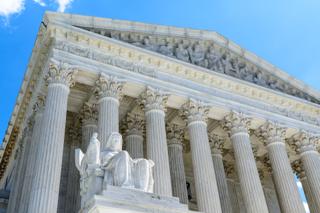
The U.S. Supreme Court has announced it will hear several significant cases in its upcoming fall term, including challenges to voting laws and parental rights. Among these cases is Republican National Committee v. Mi Familia Vota, which questions Arizona's requirement for proof of citizenship when registering to vote.
Explainer Understanding the Supreme Court’s Impact on Law and Liberty
The core issue revolves around the balance between state voting laws and federal regulations, particularly regarding the rights of noncitizens. Critics argue that such laws may disenfranchise eligible voters, while supporters contend they are necessary to maintain election integrity.
Arizona's law mandates that residents provide documentary proof of citizenship (DPOC) when registering to vote, including for mail-in ballots. The 9th Circuit Court of Appeals previously blocked parts of this law, ruling that it violated the Civil Rights Act and the National Voter Registration Act (NVRA). The NVRA requires states to make reasonable efforts to remove ineligible voters from their rolls.
The Trump administration had urged the Supreme Court to take up the case, emphasizing the need to clarify whether the NVRA preempts state laws aimed at removing noncitizens from voter rolls close to federal elections. The administration's petition raised questions about the legality of requiring DPOC for federal election registration.
Parental Rights and Gender Transition Care
Another prominent case on the Supreme Court's docket is International Partners for Ethical Care, Inc. v. Ferguson. This case involves a Washington state law that delays notifying parents about their runaway child's claims of receiving care related to gender transitions.
The lawsuit, brought by concerned parents, was dismissed by lower courts due to a lack of standing. The Supreme Court will now consider whether parents have the right to challenge laws that they argue undermine their authority in making decisions regarding their children's gender identity.
Supporters of the Washington law argue it is essential for protecting the rights and well-being of minors, while critics assert it infringes on parental rights and decision-making. The outcome could set a precedent for how states handle parental involvement in gender transition cases.
Immigration and Asylum Status
The Supreme Court will also review Wassily v. Blanche, a case involving two noncitizens who were granted asylum but later committed crimes. The federal government sought to revoke their asylum status and deport them.
The 2nd Circuit Court of Appeals ruled that federal law requires a noncitizen to maintain current asylum status to be eligible for adjustment to lawful permanent resident status. This decision has sparked debate over the rights of individuals who have previously been granted asylum but have faced legal challenges due to criminal activity.
The Supreme Court's review of this case could have significant implications for immigration policy and the treatment of asylum seekers in the United States. Advocates for stricter immigration enforcement argue that the law must be upheld, while opponents contend that revoking asylum status can lead to unjust outcomes for individuals who may have fled dangerous situations.
As the Supreme Court prepares to hear these cases, the outcomes could reshape key aspects of voting rights, parental authority, and immigration policy in the United States. The decisions will likely have lasting impacts on how states navigate these complex issues, reflecting broader societal debates about rights and responsibilities in a diverse nation.