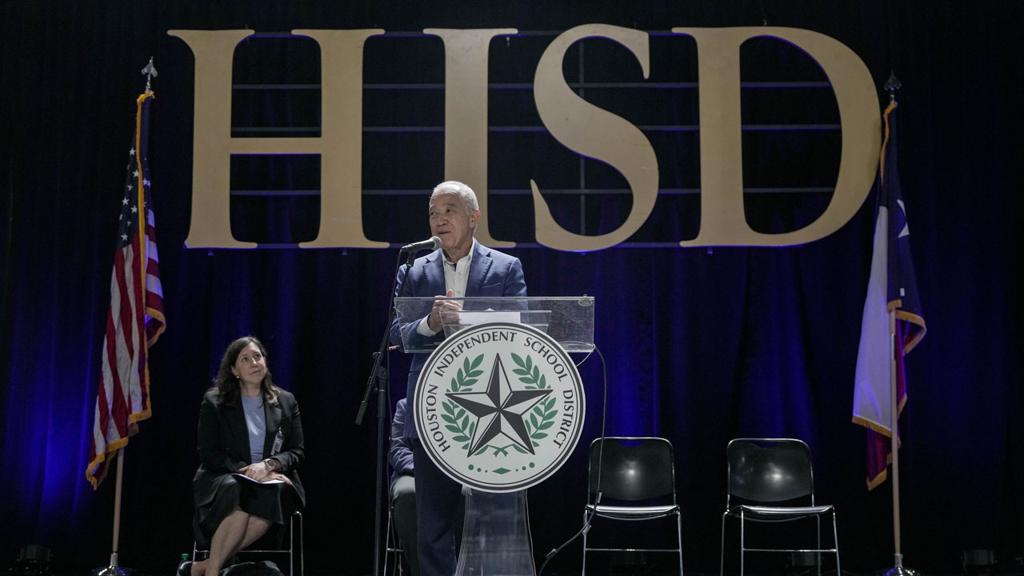
A Texas conservative activist, Bonnie Wallace, has filed a lawsuit against the Houston Independent School District (ISD) after being removed from a school board meeting for reading sexually explicit passages from a book available in the district's libraries.
Explainer Free Speech Battles: Navigating Rights and Censorship in Modern Society
The case highlights a growing national debate over parental rights, school library content, and free speech at public meetings. Across the United States, parents and activists have increasingly challenged the presence of certain books in public school libraries, arguing over what constitutes appropriate material for students and how much say parents should have in school policies.
Wallace, who resides in the Texas Hill Country, traveled to Houston to attend a Houston ISD board meeting in March 2026. Her purpose was to protest the availability of what she described as sexually explicit books in school libraries. During the public comment period, Wallace began reading aloud from "A Court of Silver Flames," a fantasy romance novel by Sarah J. Maas. The book is known for its explicit sexual content and has been the subject of similar challenges in other districts. Despite multiple warnings from trustees to stop, Wallace continued reading until three police officers escorted her from the meeting room.
Lawsuit and First Amendment Claims
Wallace, represented by attorneys Martin K. Etwop and Jonathan K. Hullihan of Remnant Law, filed suit in April in the U.S. District Court for the Southern District of Texas, Houston Division. The lawsuit alleges Houston ISD violated her First Amendment rights by stopping her from speaking and removing her from the meeting. Her attorneys argue that the district's actions amounted to "textbook viewpoint discrimination," claiming Wallace was silenced for exposing what she sees as a double standard in the district's policies regarding library materials and public discourse.
The complaint states, "Such conduct is 'an egregious form' of content regulation that the First Amendment almost never tolerates." Wallace and her legal team contend that if the material is considered appropriate for students in school libraries, it should not be censored when read aloud at a public meeting attended by adults.
Houston ISD responded by moving to dismiss the case. The district argues that the public comment portion of a board meeting is a limited public forum, meaning reasonable, viewpoint-neutral rules can be enforced to maintain order and decorum. In its motion, the district claims the removal was based on a "well-established, content-neutral guideline" prohibiting the reading of explicit material in meetings, rather than a general prohibition on speech content or viewpoint.
The Board Meeting Incident
During the March 2026 meeting, trustee Angela Lemond Flowers interrupted Wallace, telling her she was "not allowed to read things that are not appropriate." Wallace responded, "Then why are they in your schools?" According to Wallace, there were no children present at the meeting, and she had announced this fact before beginning her comments. She later told the Daily Signal, "Wow, you want to protect the children at the school board meetings of HISD, but not in the campus libraries of HISD?"
Wallace said she was initially hesitant to file a lawsuit but was convinced by attorneys and supporters that the case could set an important precedent for free speech at public meetings and parental rights in education. The trial is scheduled for September 13, 2027, in federal court.
Legal and Policy Context
Wallace believes her case is strengthened by the recent U.S. Supreme Court decision in Chiles v. Salazar, which held that a person may not be removed from a public meeting simply because their speech is uncomfortable or controversial. She said the ruling was "so important" to her case, suggesting that it reinforces the principle that public officials cannot silence speakers based on the content of their remarks.
The dispute comes amid heightened scrutiny of school library content in Texas and other states. In 2023, the Texas legislature passed House Bill 900, known as the READER Act. The law set new standards for school library materials and required districts to remove sexually explicit content from their collections. Governor Greg Abbott signed the law, stating, "Sexually explicit material has no place in Texas public school libraries." The law has led to increased reviews of library collections and debates over what qualifies as explicit or inappropriate.
Reactions From Advocates and Officials
Education advocates and policy groups have weighed in on the lawsuit. Corey DeAngelis of The Heritage Foundation called the incident "outrageous but predictable," arguing that the board did not want the public to hear material that is available to students in school libraries. Mandy Drogin of the Texas Public Policy Foundation criticized what she described as an effort to "shut down any dissent" and called for audits and consequences for school leaders who allow explicit books to remain in libraries.
Houston ISD did not respond to a request for comment by publication. The outcome of the lawsuit could have implications for how school districts across Texas and the nation handle public comment periods, parental challenges to library materials, and the balance between maintaining decorum and protecting free speech rights at public meetings.