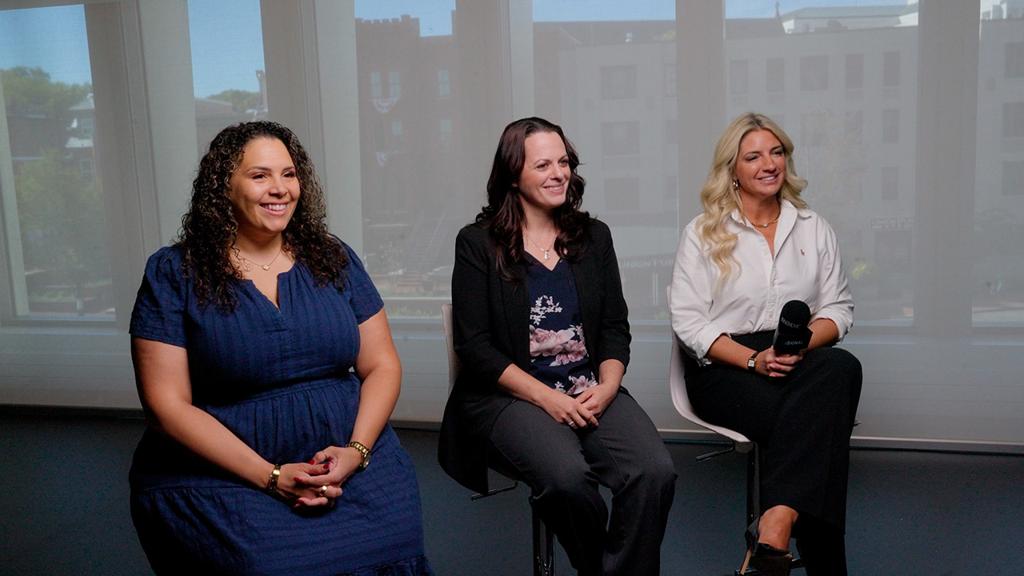
Three women who say they suffered serious physical and emotional harm after taking the abortion pill mifepristone are urging Dr. Heidi Overton, President Trump’s nominee for Food and Drug Administration commissioner, to reinstate the in-person dispensing requirement if she is confirmed.
Explainer The Complex Legal Landscape of Abortion Laws After Dobbs
The debate centers on whether mifepristone should continue to be available by mail without a doctor’s visit, a policy that has drawn criticism from some women who say it puts patients at risk. The FDA’s decision to allow mail-order access to mifepristone has been a point of contention among advocates on both sides of the abortion debate, with some arguing that it increases access and privacy, while others raise concerns about safety and oversight.
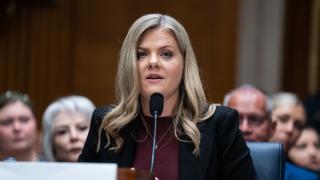
Dr. Overton, currently deputy director of the White House Domestic Policy Council, appeared before the Senate for her FDA commissioner confirmation hearing on Thursday. If confirmed, she would oversee the agency’s review of abortion pill safety protocols, including the current policy allowing mifepristone to be mailed to women who order it online. The outcome of her confirmation and subsequent policy review could have significant implications for how the abortion pill is accessed in the United States.
Women’s Experiences With Mifepristone
Elizabeth Gillette, 39, told the Daily Signal she believed the abortion pill was safe when she took it at age 24, but was traumatized by the experience. Gillette described seeing an amniotic sac containing a recognizable human baby after completing the regimen and said she now suffers from post-traumatic stress disorder. She emphasized that women should be fully informed about the risks associated with mifepristone and not assume it is a routine or low-risk medication.
"I believed it was safe, and I put my life on the line. And women deserve to know that this medication is a serious medication. This is not like Tylenol. This is not like something you should be getting over the counter."
— Elizabeth Gillette, abortion pill user
Haile McAnally, who took abortion pills at 19, said she was misled by what she called “the greatest marketing malpractice campaigns of our generation.” McAnally said she nearly died from hemorrhaging after taking the pills and was not warned about such risks during her clinic visit. Now 33, she encourages women to consider alternatives such as pregnancy help centers and church resources. McAnally’s experience highlights concerns about the adequacy of information provided to women seeking medication abortions and the potential for serious complications.
Jessica Williams, 39, said she immediately regretted taking the abortion pill, which she ordered online through a chatbot and picked up at a hotel after crossing state lines. Williams said her husband pressured her into the decision and believes in-person requirements could help prevent coercion. She underwent an abortion pill reversal and now has a healthy 4-year-old daughter. Williams’s story underscores the complexity of decision-making around abortion and the potential for outside influence or pressure.
Calls for Policy Change
All three women are urging Dr. Overton to restore the in-person dispensing rule for mifepristone, arguing that mail-order access removes critical safeguards. They contend that requiring women to see a healthcare provider in person would allow for better screening for coercion, verification of gestational age, and assessment of any medical conditions that could increase the risk of complications. Williams emphasized the need for face-to-face interactions to ensure women are not being coerced or pressured, and to verify their safety during the decision-making process.
Williams also highlighted abortion pill reversal as an option for women who regret taking mifepristone, saying, “I think that women really need to have transparency and know that it’s an option.” The concept of abortion pill reversal remains controversial and is not universally endorsed by medical organizations, but Williams believes women should be informed about it.
Broader Policy Context
The FDA’s current policy allows mifepristone to be mailed to patients without a doctor’s visit. Critics, including the women interviewed, argue this puts women at risk of complications and removes opportunities for intervention in cases of coercion. They also point out that in-person visits can help identify medical conditions or situations that could make the use of mifepristone unsafe, such as ectopic pregnancy or advanced gestational age.
Supporters of mail-order access say it increases privacy and access to reproductive health care, particularly for women in rural or underserved areas who may have difficulty reaching a clinic. They argue that removing barriers to access is essential for reproductive autonomy. However, no response from supporters or FDA officials was included in the Daily Signal report.
Dr. Overton’s confirmation and subsequent review of abortion pill safety protocols will determine whether the in-person dispensing requirement is reinstated or if mail-order access remains in place. The decision will likely have far-reaching effects on how women across the country access medication abortion and the safeguards in place to protect their health and well-being.
The debate over mifepristone access reflects broader divisions in American society over abortion policy, patient safety, and the role of government regulation in reproductive health. As the Senate considers Dr. Overton’s nomination, the future of abortion pill access remains uncertain, with advocates on both sides watching closely for any changes to FDA policy.