Arctic Frost Investigation: Unveiling Political Bias in DOJ and FBI Actions
Explore the Arctic Frost investigation’s controversial scope, alleged political targeting, and impact on American justice and democracy.
Additional reporting by April Clark, Theo Ramirez
In recent years, the Arctic Frost investigation emerged as one of the most contentious probes in American political and legal memory. Initiated by the FBI and later overseen by Special Counsel Jack Smith, the inquiry initially targeted former President Donald Trump’s efforts to challenge the 2020 election outcome. Beyond its ostensible legal focus, the investigation sparked fierce accusations of politically motivated overreach, data privacy violations, and infringements on constitutional protections. As revelations about the probe’s scale and methods surfaced, broader questions arose about the politicization of the Department of Justice (DOJ) and Federal Bureau of Investigation (FBI) in an era marked by heightened partisan polarization.
Far from a conventional criminal matter, Arctic Frost became emblematic of an alarming trend: the weaponization of federal authority to intimidate political opponents. The investigation’s use of sweeping subpoenas, mass collection of data on hundreds of thousands of Republican donors, and targeting of sitting lawmakers with surveillance raised profound concerns about the erosion of civil liberties. This explainer aims to unpack the origins, developments, legal controversies, and future implications of Arctic Frost — situating the story within the broader struggle to preserve the rule of law amid partisan lawfare and erosion of public trust in federal agencies.
Origins and Scope of the Arctic Frost Investigation
"The Arctic Frost probe exposed how federal law enforcement, unchecked, can become a political weapon against dissenting voices and elected leaders."
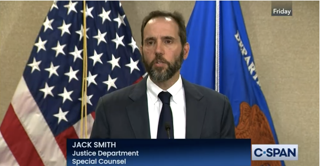
The Arctic Frost probe officially launched in April 2022 with the FBI investigating former President Trump’s alleged schemes to overturn the 2020 election results. Central to the inquiry were actions such as the dissemination of alternate slates of electors, false claims regarding election fraud, and alleged efforts to pressure state officials. The probe evolved rapidly under the leadership of Special Counsel Jack Smith, who was appointed to oversee the matter with an expansive mandate, granting him far-reaching investigative powers surpassing those typical in electoral criminal probes.
Despite the political sensitivity surrounding its subject, Arctic Frost initially portrayed itself as an ordinary criminal investigation focused on election integrity. However, significant questions soon emerged about the investigation’s real aims and methods. By August 2023, Trump faced indictment charges relating to alleged election obstruction. Yet the case was dismissed after his 2024 re-election, following a DOJ opinion declaring the illegality of prosecuting a sitting president federally. This decision underscored the unique challenges inherent in handling politically charged investigations involving elected officials and fueled partisan tensions across the political spectrum.
Throughout the investigation, Smith’s team scrutinized a broad sweep of individuals and organizations linked to conservative political circles. This included efforts to extract actionable intelligence not just from the former president’s inner circle but from grassroots donors and lawmakers, widening the probe’s ambit well beyond the traditional scope of criminal inquiry. Such an approach raised alarms about federal agencies’ reach into political opposition, setting troubling precedents about investigatory power and political fairness.
Controversial Data Collection and Alleged Political Targeting
One of the starkest revelations in the Arctic Frost investigation was the collection of data from over 639,000 Republican donors and supporters. This unprecedented hoovering of personal information—including sensitive details like addresses, phone numbers, and donor histories—raised red flags about privacy and potential abuse of investigative powers. Many conservatives and legal experts questioned the justification and proportionality of such data gathering, suggesting it read more like political surveillance than a legitimate law enforcement technique. The mass acquisition of personal data from political grassroots threatens the privacy rights critical to free association and expression.
In addition to donor data, subpoenas demanded phone records from at least 20 Republican members of Congress. Such intrusions into legislative communications breach fundamental separation-of-powers principles and fuel accusations of partisan weaponization. Senator Marsha Blackburn’s lawsuit alleging unlawful seizure of her phone records epitomizes the broad backlash against what many perceive as an unchecked executive branch overreach. The treatment of lawmakers’ communications has particular gravity given their constitutional roles, and the probe’s aggressive tactics have sparked calls for accountability and reform across multiple branches of government.
Critics argue that Arctic Frost represents a clear abuse of prosecutorial discretion, transforming criminal law enforcement into an instrument of political vendetta. Supporters of the probe claim its measures were necessary to address genuine threats to election integrity, but the disproportionate targeting of Republicans and conservatives remains deeply controversial. Allegations of political targeting have dominated public discourse, underscoring the profoundly partisan fallout of this investigation and the inherent dangers in mixing law enforcement with partisan politics.
Internal FBI Turmoil and Fallout from Arctic Frost
The fallout from Arctic Frost extended beyond political heated debates to ignite serious internal crises within the FBI itself. In October 2025, revelations surfaced that communications belonging to Republican lawmakers had been monitored as part of the investigation. This caused the FBI to disband its public-corruption investigative group entirely and dismiss several agents involved. Such drastic measures reflect the depth of institutional dysfunction the probe engendered, shaking public confidence in the bureau’s impartiality and professionalism. The abrupt dismantling of units involved in politically charged cases illustrates the bureau’s struggle to maintain credibility amid partisan scrutiny.
Adding to the turmoil, several former FBI agents subsequently filed lawsuits claiming unlawful termination tied directly to their Arctic Frost involvement. They allege a politically motivated 'retribution campaign' against those who opposed or were tangential to the investigation's questionable practices. These developments suggest a fractured FBI grappling with internal tensions as well as external political pressures, complicating its mission and damaging its reputation among conservatives and the broader electorate alike. The notion that internal dissenters are punished for ethical concerns raises serious questions about institutional independence and norms.
Alongside personnel upheaval, the probe sparked congressional inquiries. House oversight committees subpoenaed Special Counsel Jack Smith over a fishing expedition alleged to exceed lawful prosecutorial boundaries. The DOJ’s Office of Inspector General (OIG) role in Arctic Frost has also been scrutinized for potential dereliction or complicity, highlighting systemic vulnerabilities in federal investigations that risk politicization. Coverage of the House subpoenas to Jack Smith and DOJ OIG investigations illustrates the broader institutional reckoning underway and the necessity of heightened transparency in politically sensitive probes.
Investigating Accountability and Safeguarding the Rule of Law
Given the Arctic Frost probe’s scope and fallout, questions about accountability remain at the forefront. Allegations that Attorney General Merrick Garland and FBI Director Christopher Wray played direct roles in orchestrating or enabling these questionable tactics add a troubling dimension to the crisis. Documentation leaked to legislators reveals senior DOJ leadership involvement, sparking legal and political accountability demands. Concerns about top-level complicity contribute to an erosion of trust in leaders sworn to uphold constitutional norms and undermine the principle of equal application of the law.
Efforts to hold officials accountable have included bar complaints and proposals for permanent congressional subcommittees to oversee law enforcement abuses. Such oversight mechanisms are critical to preventing future political weaponization of federal power. Timely, transparent investigations into Arctic Frost’s origins and conduct are essential to restore confidence in democratic institutions and preserve the integrity of criminal justice. Without effective checks, the blurring of law enforcement and partisan politics threatens the democratic fabric.
The conservative viewpoint emphasizes the vital necessity to curb politicized prosecutorial practices that undermine electoral legitimacy and free political expression. While some defend the probe’s aims as rooted in safeguarding elections, there is broad consensus on the dangers of letting law enforcement agencies stray into partisan battles. As this matter unfolds, it shines a light on the complex tension between pursuing justice and succumbing to political vendettas — a tension that demands renewed dedication to constitutional fidelity and fairness.
Broader Implications for American Democracy and Civil Liberties
Arctic Frost’s implications go beyond the individuals investigated or charged — affecting the very framework of American democracy and civil liberties. Mass data collection on political supporters and surveillance of elected representatives endanger freedom of speech, association, and privacy. Judicial norms around due process and separation of powers face severe strain in politically charged prosecutions. The probe exemplifies a dangerous trend where legal instruments become tools of political warfare rather than neutral arbiters of justice, setting perilous precedents that could chill political participation across the spectrum.
For conservatives, Arctic Frost validates longstanding concerns about the DOJ and FBI’s drift from neutral enforcement toward partisan targeting. Such weaponization corrodes trust in institutions crucial for a functioning republic. The case marks a cautionary tale: without rigorous checks, law enforcement’s might can be misused to silence dissent and shape the political landscape disproportionately. It underscores the need to reinforce institutional safeguards that protect individual rights against state overreach.
Opponents argue some measures taken were rooted in legitimate threats to election integrity, urging vigilance against misinformation and unlawful interference. Nonetheless, ensuring the rule of law requires a balance that Arctic Frost failed to maintain. The essential need is for reforms that safeguard impartiality and prevent future politicized investigations, preserving rights for all Americans regardless of political affiliation. In this landscape, protecting democratic norms demands universal application of justice without selectivity or bias.
Closing Reflections on Justice and Political Neutrality
The Arctic Frost investigation stands as a watershed moment, exposing profound weaknesses in how federal agencies handle politically sensitive cases. From expansive data seizures to targeting of lawmakers, it underscores the potential for abuses when prosecutors pursue partisan agendas. The legal dismissal of charges against a sitting president underscored constitutional limits but did not end the long shadow cast by the inquiry over American political and legal culture.
Looking forward, the American justice system must reaffirm commitment to political neutrality and constitutional protections. Congressional oversight, judicial vigilance, and public scrutiny are essential to restrain law enforcement powers and restore confidence among the governed. Arctic Frost’s story is a powerful reminder that democracy depends not just on elections but on the fair and impartial application of the law, which must be safeguarded against politicization for the republic’s survival.
For readers seeking detailed insights, our reporting includes stories covering the lawsuit from Senator Blackburn, the impact on conservative payroll data collection, and the senators’ allegations about accessing lawmakers’ texts. These accounts enrich understanding of the probe’s legal-strategic contours and political consequences.
Frequently asked questions
What was the main purpose of the Arctic Frost investigation?
It aimed to investigate alleged efforts by former President Trump to overturn the 2020 election, including alternate electors and election interference.
Why was the Arctic Frost case against Trump dismissed?
After Trump’s 2024 re-election, the DOJ cited a legal opinion that sitting presidents cannot face federal prosecution, leading to dismissal.
Did the investigation involve surveillance of lawmakers?
Yes, subpoenas demanded phone records of at least 20 Republican members of Congress, prompting lawsuits and accusations of overreach.
What controversies arose regarding data collected by the probe?
Investigators collected detailed information on over 639,000 Republican donors, raising privacy and abuse of power concerns.
How has the FBI been affected by the Arctic Frost investigation?
The FBI disbanded its public-corruption investigative group and dismissed agents after internal disagreements and allegations of political retaliation.
Are senior DOJ officials implicated in the controversy?
Documents suggest involvement of Attorney General Garland and FBI Director Wray, fueling demands for accountability.
What legal actions have been taken by those targeted in the probe?
Lawmakers like Senator Marsha Blackburn filed lawsuits alleging unlawful evidence seizures as part of the investigation.
Timeline of our coverage
- 2026-10-16 — Jack Smith’s Team Collected Payroll Data From Conservative Group in Trump Probe
- 2026-09-30 — Sen. Blackburn Sues Jack Smith Over Seizure of Phone Records in Arctic Frost Probe
- 2026-07-14 — Senators Release Records Alleging Special Counsel Jack Smith Improperly Accessed Lawmakers’ Texts
- 2026-03-26 — Watchdog Files Bar Complaint Against Wray Over Arctic Frost Role
- 2025-12-03 — House Subpoenas Jack Smith Over Arctic Frost Fishing Expedition
- 2025-11-25 — Jack Smith Ignored Constitutional Standards In Arctic Frost Lawfare
- 2025-11-12 — House Judiciary Committee Investigates DOJ OIG's Role in Arctic Frost Inquiry
- 2025-11-06 — Allegations of Political Targeting in DOJ's Arctic Frost Operation
- 2025-10-30 — Johnson Silent After Senators Urge Impeachment Over Arctic Frost
- 2025-10-30 — Arctic Frost '100 Times Worse Than Watergate' Media Won't Cover
- 2025-10-30 — Six Attorneys Who Signed Arctic Frost Subpoenas Depart DOJ
- 2025-10-29 — 3 Biggest Revelations From Latest 'Arctic Frost' Document Dump
- 2025-10-29 — Arctic Frost Docs Expose Breadth Of DOJ’s Weaponization
- 2025-10-23 — Doc Shows Garland, Wray All Over Corrupt 'Arctic Frost'
- 2025-10-10 — FBI Targeted Nine Republican Lawmakers in Investigation, Grassley Claims
- 2025-10-07 — Biden FBI Targeted Eight Republican Senators in Investigation, Records Show
The Bottom Line
- Arctic Frost reveals the risks of politicized federal investigations undermining democracy and civil liberties.
- It highlights abuses in data collection and surveillance of political opponents and lawmakers.
- The probe strained internal DOJ and FBI operations, triggering dismissals and lawsuits over retaliation.
- Accountability for senior officials involved remains unresolved, raising concerns about justice norms.
Sources
- Grassley Shares Explosive Arctic Frost Update Revealing Jack Smith Obtained Treasure Trove of Data for Over Half a Million Republican Supporters
- Grassley Releases New Arctic Frost Records, Raising Additional Questions about Jack Smith’s Conduct and Candor
- Grassley Backs Permanent Subcommittee on Investigations’ Subpoenas to AT&T, Verizon and Lumen for Records Identifying Arctic Frost Targets
- Grassley Opens Senate Judiciary Oversight Hearing on Arctic Frost and Jack Smith’s Abuse of Authority
- U.S. Supreme Court
- Thedailybeast.com: Top Trump Goon Quits Keystone Kashs Fbi Vengeance Squad
- Thedailybeast.com: Trump Accused Of Showing Off Classified Map On Flight To His Golf Club
- Axios.com: Jack Smith Arctic Frost Phone Records Lawsuit Blackburn (Sep 30, 2026)
- Axios.com: Fbi Kash Patel Agents Fired (Oct 07, 2025)
- Apnews.com: B3797235270088bb19f89c19e02bfb24
- Apnews.com: 8cfcb3d16636cc0c3faf42d3819db2da