Volunteer pilot organizations Wings of Mercy and the Air Care Alliance have filed lawsuits against the Federal Aviation Administration (FAA), challenging recent policies that restrict reimbursement for pilots who fly patients to medical appointments at no charge.
The dispute centers on whether FAA rules are preventing volunteers from helping patients with serious illnesses reach distant hospitals, as the agency increases enforcement against charitable flights. At issue is the FAA’s interpretation of federal law and its impact on the ability of nonprofit groups to provide free air transportation to those in need.
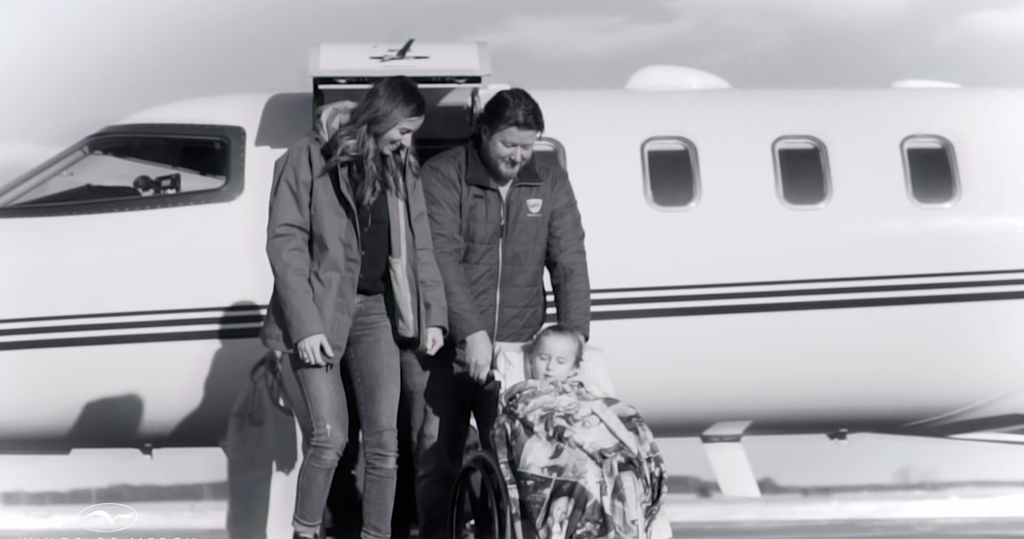
Wings of Mercy, a Michigan-based nonprofit, has for decades coordinated free flights for patients needing care at major hospitals in neighboring states. The group relies on private donations and volunteer pilots, who are barred by the FAA from receiving any reimbursement for out-of-pocket costs such as fuel or airport fees. Even accepting a meal from a patient can trigger license suspension, according to the group. This policy, they argue, places a significant burden on pilots who are otherwise willing to donate their time and resources to help patients access critical medical care.
FAA Enforcement and Policy Changes
Last month, the FAA issued a National Policy titled “Surveillance for Charitable Medical Flight Exemptions,” directing inspectors to intensify oversight of volunteer pilots. The policy followed a paperwork error by another organization using a fuel reimbursement program, after which the FAA cut off that group’s ability to reimburse pilots. Wings of Mercy and other nonprofits say the new scrutiny is not tied to any safety incident involving volunteer flights. Instead, they argue, it is a response to administrative issues rather than actual risks to flight safety.
The FAA maintains that strict separation between personal and commercial flights is necessary for public safety. An agency statement says, “When money is exchanged for transportation, the public expects, and the FAA demands, a higher level of safety for the flying public.” The agency’s position is that any form of compensation or reimbursement for pilots could blur the line between private and commercial operations, potentially undermining established safety standards for commercial aviation.
Eric Heigis, an attorney at the Texas Public Policy Foundation, commented on the policy: “FAA inspectors need to step up enforcement against volunteer pilots. This policy did not result from a crash or a near-miss incident involving a volunteer pilot.” Heigis and other critics argue that the FAA’s increased enforcement is not justified by any recent safety failures, but rather by a strict reading of regulatory requirements.
Legal Challenges and Regulatory Disputes
The lawsuits argue that the FAA’s interpretation of reimbursement rules is overly restrictive and not supported by federal law. Wings of Mercy points to the FAA Modernization and Reform Act of 2012, which requires the agency to allow fuel reimbursement for charitable medical flights under certain safety conditions. The group contends the FAA implemented this mandate by imposing regulatory burdens similar to those for commercial charter operations, making it difficult for nonprofits to comply.
FAA regulations generally allow pilots to split costs with passengers on a pro-rata basis, but the agency has added requirements by interpretation that, according to the lawsuits, effectively block volunteer pilots from receiving reimbursement. For example, while a pilot and passengers can share costs equally, any reimbursement beyond that—such as covering only the pilot’s expenses—can be considered compensation, triggering commercial regulations.
Wings of Mercy is also supporting a separate case challenging the FAA’s use of so-called Auer deference, which lets agencies interpret their own regulations. This comes after the Supreme Court’s Loper Bright Enterprises v. Raimondo decision eliminated Chevron deference for agency interpretations of federal law. The outcome of these legal challenges could have broader implications for how federal agencies interpret and enforce their own rules, particularly in areas affecting charitable organizations.
Eric Heigis, attorney at the Texas Public Policy Foundation, said the FAA’s approach means, “A newly minted pilot with as little as 20 flight hours can complete volunteer flights so long as he or she is not reimbursed. But if a retired airline pilot with 30,000 flight hours receives even $1 in reimbursement, that flight violates FAA regulations.” This, he argues, creates a paradox where experience and safety are not rewarded, but rather penalized if any reimbursement is involved.
Impact on Patients and Next Steps
Advocates for volunteer pilot programs say the restrictions limit access to care for patients with cancer, heart disease, and other chronic conditions who need to travel long distances. Small aircraft can cut travel times and reduce exposure to crowded airports, which is especially important for immunocompromised patients. For many rural or low-income patients, these flights are often the only practical means of reaching specialized care that is not available locally.
The FAA has not publicly addressed the lawsuits or responded to criticism from volunteer pilot organizations. The cases are proceeding in the Eastern District of Michigan and the Sixth Circuit, with potential implications for how agencies interpret and enforce regulations affecting charitable services. Legal observers note that the outcome could set a precedent for how federal agencies balance safety oversight with support for nonprofit and volunteer activities.
The outcome could determine whether more volunteer pilots are able to assist patients in reaching lifesaving medical care. As the legal process unfolds, both sides are watching closely to see whether the courts will require the FAA to ease its restrictions or uphold the agency’s current approach to regulating charitable medical flights.