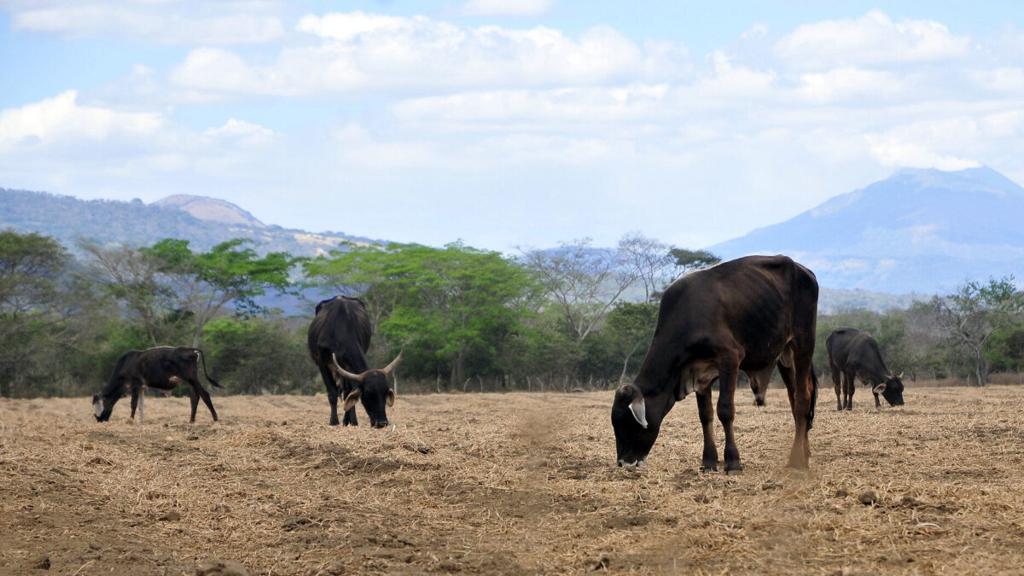
The United States this week began a phased reopening of its southern border to Mexican cattle, starting with the Douglas, Arizona, port, after closures prompted by New World Screwworm outbreaks. The move comes as US officials confront mounting evidence that Mexican cartels are exploiting the cattle trade, raising concerns about biosecurity and the integrity of livestock imports.
Explainer How DHS Shapes Immigration Enforcement and Election Security in America
The reopening highlights the tension between the need to stabilize beef supply and prices for American consumers and the risks posed by organized crime and animal disease in the cross-border cattle trade.
The US Department of Agriculture (USDA) closed livestock ports along the border following screwworm detections, with Sonora and Chihuahua—historically accounting for over 60 percent of Mexico’s live-cattle exports to the US—identified as the lowest-risk states for initial reopening. However, Sonora confirmed two screwworm cases and Chihuahua reported 183 cases since July, just as Douglas reopened. The USDA said it will keep the reopening schedule flexible and may pause further port openings if risks increase.
Cartel Influence in Cattle Trade
Mexican cartels, including the Jalisco New Generation Cartel (CJNG), have entrenched themselves in the cattle industry, extorting ranchers, controlling sales, and corrupting livestock documentation. In northern Jalisco, CJNG installed regional collectors, dictated sales, and extracted payments from transactions, while gaining access to official records through compromised local officials. The cartel’s control has led to violence, including the kidnapping and murder of rancher Víctor Ponce Ríos, whose cattle were stolen and moved using official paperwork.
Cartels facilitate the movement of smuggled cattle from Central America into Mexico, with the USDA estimating about 800,000 head are trafficked annually, creating an illicit market worth approximately $320 million. Traffickers use falsified documents and black-market identification tags, making it difficult to distinguish illegal cattle from legitimate ones once they enter the system.
"Inspection at the U.S. border cannot be the only line of defense. By the time an animal reaches an American inspection chute, the corruption may have happened hundreds of miles earlier."
— Ammon Blair, senior fellow, Texas Public Policy Foundation
In response, on Aug. 11 the USDA and Department of Homeland Security announced a new agreement to detect and interdict illicit livestock movement at and between ports of entry. The US Treasury also sanctioned more than 50 individuals and entities tied to CJNG, including agricultural businesses, in its largest action against the cartel to date.
Biosecurity and Enforcement Measures
The USDA has emphasized that border inspections alone are insufficient to address the risks, as cartel influence and document fraud can occur far from the border. Officials have suggested integrating livestock traceability and criminal intelligence into the Joint Interagency Task Force–Counter Cartel under US Northern Command, and leveraging the Americas Counter Cartel Coalition to target brokers, haulers, and financial networks involved in illicit cattle movement.
Recent events in other agricultural sectors underscore the stakes. After a security alert, the US suspended avocado-export inspections in Michoacán, Mexico, on Aug. 5. Within 24 hours, Mexico deployed over 1,500 Army and National Guard personnel to secure producing areas, and inspections resumed on Aug. 13 after additional security measures. While this rapid response restored trade, it did not dismantle cartel control, highlighting the challenge of balancing market access with security.
US officials have not publicly addressed whether similar rapid-response security deployments will be required for the cattle trade, but the USDA has stated that port openings may be paused if biosecurity risks rise.
Shrinking US Cattle Herd and Beef Prices
The US cattle herd has declined sharply, with the USDA counting 86.2 million cattle and calves at the start of 2026, down from 94.7 million in 2019. This reduction has pushed beef prices higher: ground beef averaged $6.89 per pound in July, nearly 57 percent higher than in July 2021, and steak reached a record $13.06 per pound. Imports from Mexico, which historically supply about 1.1 million cattle annually—roughly 3 percent of the US supply—are not expected to quickly offset the shortfall, as most imported animals require additional months of production before entering the beef supply.
Agricultural economists cited in the reporting expect the phased reopening to take months before imports approach normal levels. The USDA has indicated that while imports can help fill gaps, rebuilding the domestic cattle herd is essential for long-term stability.
Supporters of the phased reopening argue that strict inspection and enforcement, combined with intelligence-sharing and targeted sanctions, can mitigate cartel influence and disease risk. Critics warn that unless corruption and document fraud are addressed earlier in the supply chain, border inspections alone will not prevent illicit cattle from entering the US market.