A coalition of 173 Republican state lawmakers is urging President Trump to nominate a permanent director for the U.S. Census Bureau, warning that ongoing leadership gaps could undermine the accuracy of the 2030 Census and affect congressional representation.
The lawmakers argue that the absence of a Senate-confirmed director since early 2025 has left the agency vulnerable to decisions that could distort the count, with implications for how House seats are distributed among states. The Census Bureau, which is responsible for conducting the decennial population count, plays a critical role in determining how congressional districts are drawn and how federal resources are allocated.
The push comes as debates over census methodology and the inclusion of noncitizens in population counts have intensified. Republican officials warn that current practices could shift political power away from red states, potentially altering the balance of representation in Congress for the next decade.
Lawmakers’ Letter and Main Concerns
The open letter, organized by the State Freedom Caucus Network and signed by lawmakers from across the country, calls for Trump to act swiftly in nominating a director who will "restore the Bureau’s focus on an accurate count of only American citizens" and address statistical methods that they say have "eroded public trust." The letter specifically criticizes the Census Bureau’s use of differential privacy and other statistical adjustments, claiming these methods "corrupt reported data to distort an actual enumeration of our citizenry."
Differential privacy is a statistical technique introduced by the Census Bureau to protect the confidentiality of individual responses. While the Bureau maintains that this method is necessary to prevent the identification of respondents, critics argue that it can introduce inaccuracies into the published data, especially at smaller geographic levels. The lawmakers contend that such adjustments could have significant consequences for redistricting and resource allocation.
"Key decisions are being made at the Census Bureau now that will affect America’s path forward. Nominating a qualified Census Bureau Director at this crucial time is an integral part of ensuring that the 2030 Census accurately fulfills its constitutional purpose."
— State GOP lawmakers, open letter to President Trump
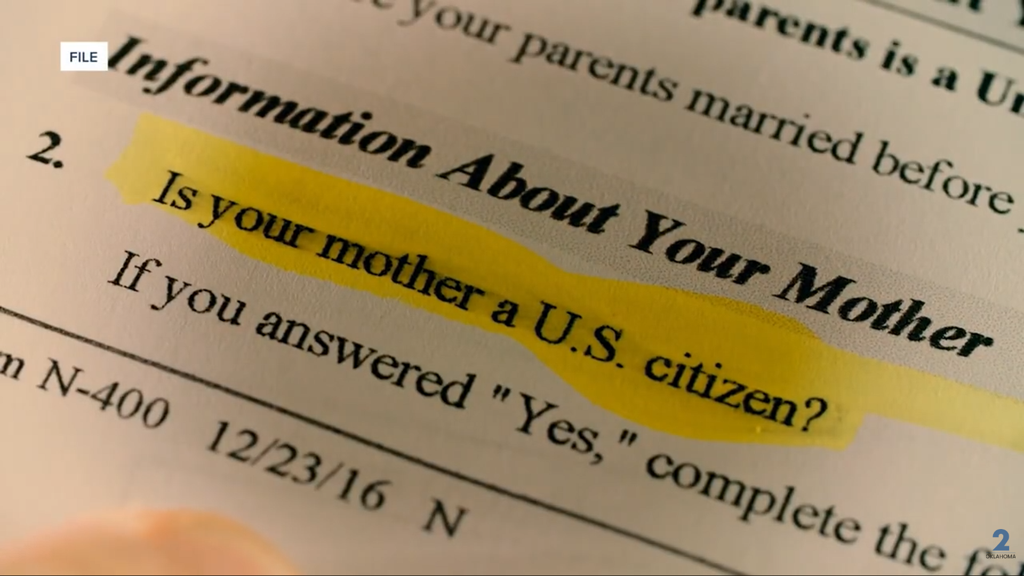
The lawmakers also object to the removal of the citizenship question from the census form, arguing that counting noncitizens for apportionment "deforms congressional apportionment and state and federal redistricting." They assert that including noncitizens in the population count for the purposes of drawing congressional districts unfairly benefits states with larger noncitizen populations, often at the expense of states with higher proportions of citizens.
Impact on Congressional Apportionment
A January 2026 forecast by the American Redistricting Project estimated that if apportionment were based solely on citizen population, states like California and New York would lose House seats, while Florida and Tennessee would gain seats. According to the American Redistricting Project, California could lose up to six seats, New York two, and other blue states including Illinois and Rhode Island could each lose one. Red states such as Texas and Florida would gain two seats each, with Arizona, Georgia, Idaho, North Carolina, Ohio, Tennessee, and Utah also projected to gain seats.
These projections highlight the potential for significant shifts in political representation depending on how the Census Bureau conducts its count and what population is used for apportionment. The debate over whether to count only citizens or all residents has become a flashpoint in the broader discussion over immigration and representation.
The Census Bureau’s own post-2020 analysis, released in 2022, found that it undercounted populations in five of six mostly Republican states and overcounted in six of eight mostly Democrat states. This discrepancy, according to critics, may have affected the allocation of congressional seats after the last census. The Bureau attributed these errors to challenges posed by the COVID-19 pandemic and operational difficulties, but the findings have fueled calls for reforms ahead of the 2030 count.
White House and Census Bureau Response
Despite the mounting pressure, the White House has not commented on whether President Trump will nominate a director or when such a nomination might be announced. The Census Bureau is currently led by Acting Director George Cook, who also serves as deputy under secretary in the Office of the Under Secretary for Economic Affairs. The lack of a permanent, Senate-confirmed director has raised concerns among lawmakers about the agency's ability to make long-term decisions and prepare for the 2030 Census.
Supporters of the current census methodology have not publicly responded to the lawmakers’ criticisms. The Census Bureau has previously defended its statistical practices as necessary for protecting privacy and ensuring data quality. The Bureau maintains that its methods are designed to balance the need for accurate data with the legal and ethical obligation to safeguard respondents' information.
The State Freedom Caucus Network continues to collect signatures from state legislators, keeping the letter open for additional support as decisions about the 2030 Census approach. With key operational and methodological decisions for the next decennial count already underway, the debate over census leadership and methodology is likely to remain a contentious issue in the lead-up to 2030.