The Trump administration is advancing a proposed rule that would exclude noncitizens from the population count used to allocate congressional seats and Electoral College votes, according to filings and official records. The move, now under review by the Office of Management and Budget, could reshape the political map by altering how House seats and federal funds are distributed among states.
The core dispute centers on whether people in the country illegally and temporary visa holders should be counted in the census figures that determine each state's representation in Congress and the Electoral College.
The issue has become a flashpoint in recent years, with critics arguing that including noncitizens in the census distorts political representation and rewards states with larger unauthorized immigrant populations. The Census Bureau's current Residence Criteria, which governed the 2020 Census, instructs that all people be counted where they usually reside, regardless of immigration status. This policy has been challenged in court by states including Missouri, Louisiana, Kansas, Ohio, and West Virginia, which argue it unlawfully inflates representation for states with higher noncitizen populations.
Proposed Rule and Legal Challenges
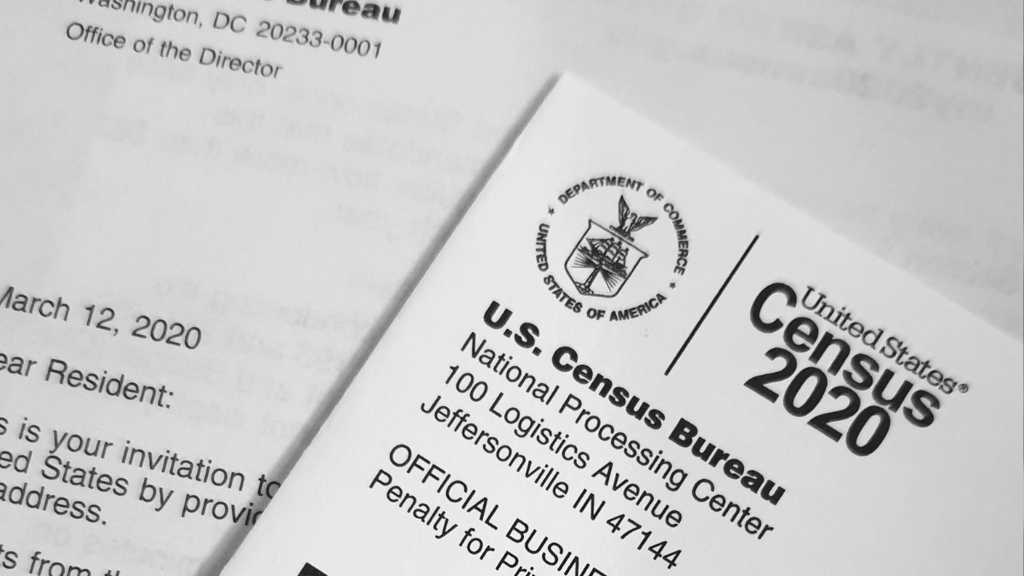
The Census Bureau submitted its proposed rule, titled “Decennial Census of the Population of Americans; Proposed Residence Criteria and Proposed Regulations for Demographic Questions,” to the Office of Management and Budget for review at the end of June, according to reginfo.gov records. The rule has not yet been published or finalized, but administration filings in ongoing litigation indicate it will address the inclusion of noncitizens in the census count for apportionment.
In a case brought by Missouri, the administration asked for a stay, stating the new rule “encompasses various policy positions for the 2030 Census” and “is expected to bear directly on the issues presented in this case.” Missouri and other plaintiffs have called for the courts to set aside the current Residence Criteria, which they say unlawfully counts unauthorized immigrants and temporary visa holders for congressional apportionment.
The Census Bureau’s 2020 Residence Criteria states that all people living in the U.S. on Census Day are to be counted at their usual residence, regardless of citizenship or legal status. This approach has been in place since at least the Carter administration, which implemented measures to boost census participation among noncitizens, according to court filings and historical accounts cited in The Federalist.
Political Stakes and State Impact
Supporters of the administration’s move argue that counting noncitizens in the census unfairly shifts political power and federal resources, primarily benefiting states with larger unauthorized immigrant populations. Analysis presented by Missouri in litigation claims that states such as Missouri, Ohio, West Virginia, Pennsylvania, and Michigan each lost a House seat due to the inclusion of noncitizens in the last apportionment, while California, New York, and Texas gained seats.
The Trump administration previously attempted to exclude unauthorized immigrants from the apportionment base and to add a citizenship question to the census, but those efforts were blocked or left unresolved by the courts. The Supreme Court declined to rule on whether the Constitution requires all persons, regardless of status, to be counted for apportionment, leaving the issue unsettled.
"People who are in our Country illegally WILL NOT BE COUNTED IN THE CENSUS."
— President Trump, as quoted on Truth Social
The administration’s renewed push includes plans to test a citizenship question in preparation for the 2030 Census, a move that has drawn criticism from opponents who argue it could suppress participation and undermine the accuracy of the count. The administration has indicated it will proceed with the testing and rulemaking process despite public opposition.
Responses and Next Steps
Democratic officials and immigrant advocacy groups have criticized efforts to exclude noncitizens from the census, warning it could lead to undercounts and reduced representation for diverse communities. The Biden administration previously rescinded Trump-era policies and used the inclusive Residence Criteria for the most recent apportionment.
The proposed rule remains under review at the Office of Management and Budget, with no final decision or publication date announced. Legal challenges from states and advocacy groups are ongoing, and the outcome could determine how the 2030 Census is conducted and how congressional seats are distributed in the next decade.