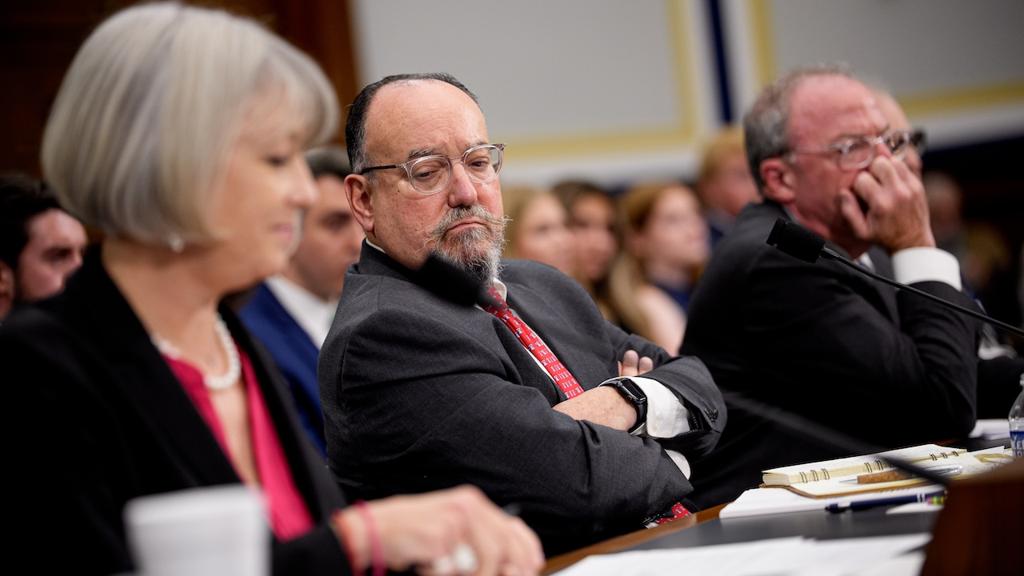
A senior Heritage Foundation fellow warned a House Foreign Affairs subcommittee that U.S.-based Islamic groups are merging Islamist and Marxist ideologies in an effort to undermine American institutions and "sow chaos." The remarks were delivered during a hearing titled "Trojan Horses: Covert Foreign Malign Influence Operations in America," which focused on the perceived threat of covert foreign influence within the United States.
The hearing brought together lawmakers and experts to discuss concerns that certain organizations, described as promoting "Islamist concepts such as Sharia," are collaborating with left-wing groups to destabilize the country. This perspective was outlined in testimony from Mike Gonzalez, a senior fellow at The Heritage Foundation. Gonzalez argued that these efforts are being advanced by "nongovernmental organizations or individuals" and asserted that elected officials are "in a position to remedy" the problem.
The issue is part of a broader debate over the influence of foreign and ideological actors on U.S. policy and society. Lawmakers and experts remain divided over the scope and nature of these threats, with some emphasizing the need for vigilance and others cautioning against conflating political activism with malign influence.
Testimony on Alleged Alliances
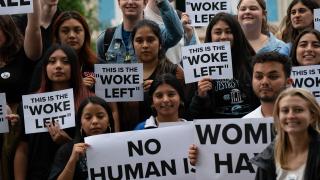
During his testimony, Gonzalez described what he called the "red-green alliance"—a coalition of Islamist and Marxist groups that he claims has contributed to unrest on American streets and college campuses. He traced the origins of this alliance to a shift by the "Marxist Left" in the 1960s, when activists began focusing on identity-based groups rather than traditional working-class or agrarian movements.
Gonzalez stated, "[America’s] adversaries and outright enemies, such as China and Cuba, will use any opportunity to infiltrate our institutions and destabilize our country, [and there are] shadowy nongovernment organizations or individuals seeking to surreptitiously implant Islamist concepts such as Sharia in our midst and also sow chaos."
He linked this alleged alliance to a range of contentious issues, including debates over Gaza, Venezuela, Cuba, immigration, and environmental and social policies. According to Gonzalez, the coalition has contributed to "mayhem" that is visible across various sectors of American society, including protests and activism on college campuses.
Focus on CAIR and AMP
During questioning by lawmakers, Gonzalez singled out the Council on American-Islamic Relations (CAIR), asserting that while the organization presents itself as a civil rights group, it is "tightly linked to the Muslim Brotherhood, one of the world’s most influential terrorist networks." He cited a past statement from CAIR Communications Director Ibrahim Hooper, who reportedly said he "seeks to make the United States an Islamic country."
Gonzalez also discussed American Muslims for Palestine (AMP), claiming the group has influenced young voters to view Hamas as justified resistance fighters. He said AMP uses Marxist rhetoric to appeal to students and played a "direct role" in campus protests in 2024. Gonzalez quoted AMP Executive Director Osama Abu Irshaid, who told students at a George Washington University encampment, "They are trying to destroy you before you succeed in bringing this imperialism to an end."
Neither CAIR nor AMP responded to requests for comment from the Daily Signal regarding the allegations raised during the hearing.
Calls for Congressional Action
Gonzalez concluded his testimony by urging lawmakers to take "real actions to protect Americans" in response to the concerns raised at the hearing. He emphasized that his concerns center on the political aspects of Islamism, rather than the religion itself. According to Gonzalez, the support of some Democratic lawmakers and favorable media coverage have helped groups like CAIR gain influence in the United States.
The hearing did not include testimony from representatives of CAIR or AMP, and neither group provided a response to the allegations when contacted. The debate over the influence of foreign and ideological actors in the U.S. continues to be a contentious issue among policymakers, with ongoing discussions about the appropriate balance between national security and civil liberties.