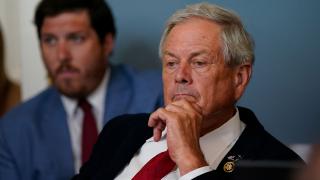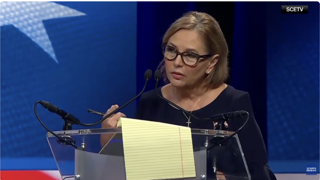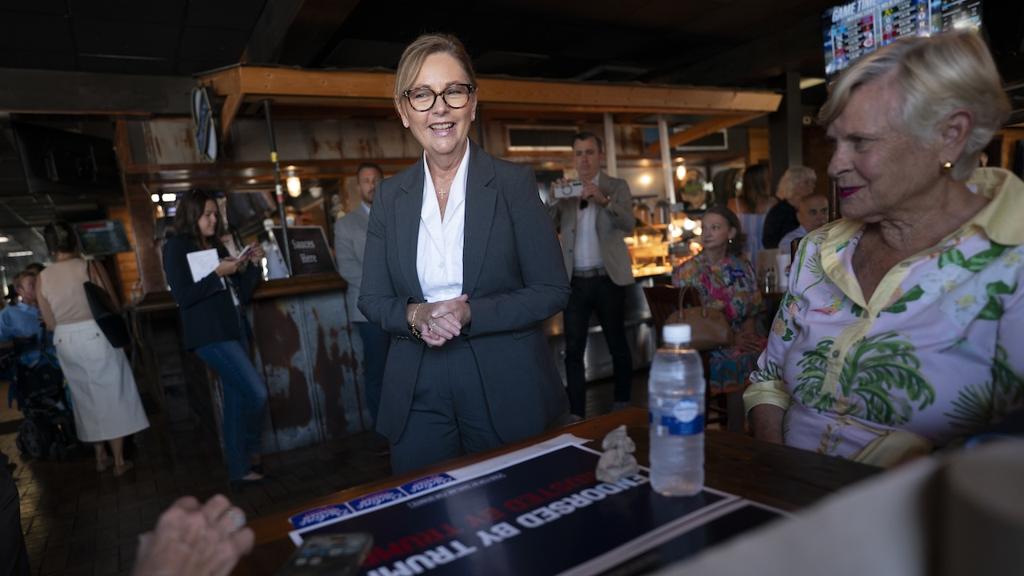
Sen. Darline Graham, R-S.C., has secured endorsements from major pro-life organizations in her bid for the Republican Senate nomination, drawing sharp criticism from activists who support her opponent, Rep. Ralph Norman, R-S.C., ahead of the August 25 runoff.
Explainer Understanding Public Safety Trends: Crime Declines and Rising Challenges for Law Enforcement
The endorsements have exposed divisions within the pro-life movement as groups and leaders debate which candidate best represents their priorities. The split is drawing national attention, given the prominence of the organizations involved and the high-profile nature of the special election.
Graham, who was appointed to fill the seat of her late brother, former Sen. Lindsey Graham, is backed by President Donald Trump and has received support from Susan B. Anthony Pro-Life America and National Right to Life. Norman, meanwhile, holds a perfect rating from both Susan B. Anthony Pro-Life America and Students for Life Action, highlighting the unusual split among advocacy groups. This divergence has led to confusion and debate among grassroots activists and donors who typically look to these groups for guidance.
Endorsement Controversy Unfolds
The dispute intensified after National Right to Life and Susan B. Anthony Pro-Life America endorsed Graham. Randy Page, a former board member of National Right to Life, announced his resignation on social media, calling the endorsement "ill-advised and inexcusable."
"This endorsement is ill-advised and inexcusable. Effective immediately, I am resigning as a member of the board."
— Randy Page, former National Right to Life board member
Criticism from Pro-Life Leaders
Former House Freedom Caucus Chairman Bob Good, R-Va., also criticized the endorsements, accusing some pro-life groups of being "fraudulent" for supporting Graham over Norman. Good argued that Norman is a "proven fighter" for pro-life causes, referencing Norman's legislative record and public statements in support of abortion restrictions.
Steve Cortes, founder of the League of American Workers, questioned the logic behind the endorsements, noting Norman's "100% pro-life record" and describing him as one of the most conservative members of the U.S. House. "It boggles my mind how any allegedly pro-life group could endorse against him in a race?" Cortes said. Such comments have fueled further debate among activists and have been widely shared on social media platforms frequented by conservative voters.
Graham, during a recent campaign event, said she supports South Carolina's six-week abortion ban but would "have to think about" whether to back a total ban. Her position has been interpreted by some as more moderate compared to Norman, who has consistently advocated for stricter abortion restrictions. Graham has also received endorsements from Sens. Tom Cotton, R-Ark., John Barrasso, R-Wyo., and Katie Britt, R-Ala., all of whom have A+ pro-life ratings from Susan B. Anthony Pro-Life America. These endorsements from prominent senators have added to her campaign's momentum and have been cited by her supporters as evidence of her commitment to pro-life values.
The split among pro-life groups comes as South Carolina's Republican electorate prepares to choose between Graham and Norman in a special runoff election. The outcome could influence the direction of pro-life advocacy in the state and signal broader trends in GOP primaries. Observers note that the endorsements and the resulting controversy may shape not only the immediate race but also the strategies of advocacy groups in future elections, as they weigh the importance of ideological purity versus political viability.
Neither Graham's nor Norman's campaigns responded to requests for comment from the Daily Signal. National Right to Life and Susan B. Anthony Pro-Life America also did not comment on the controversy. Graham is set to campaign alongside President Trump in the final days before the runoff, a move that could further energize her base and solidify her standing among Republican voters.
As the August 25 runoff approaches, both candidates are intensifying their outreach to voters, emphasizing their pro-life credentials and seeking to clarify their positions on abortion policy. The outcome of the race is expected to be closely watched by national political observers and could serve as a bellwether for future Republican primaries where social issues play a central role.