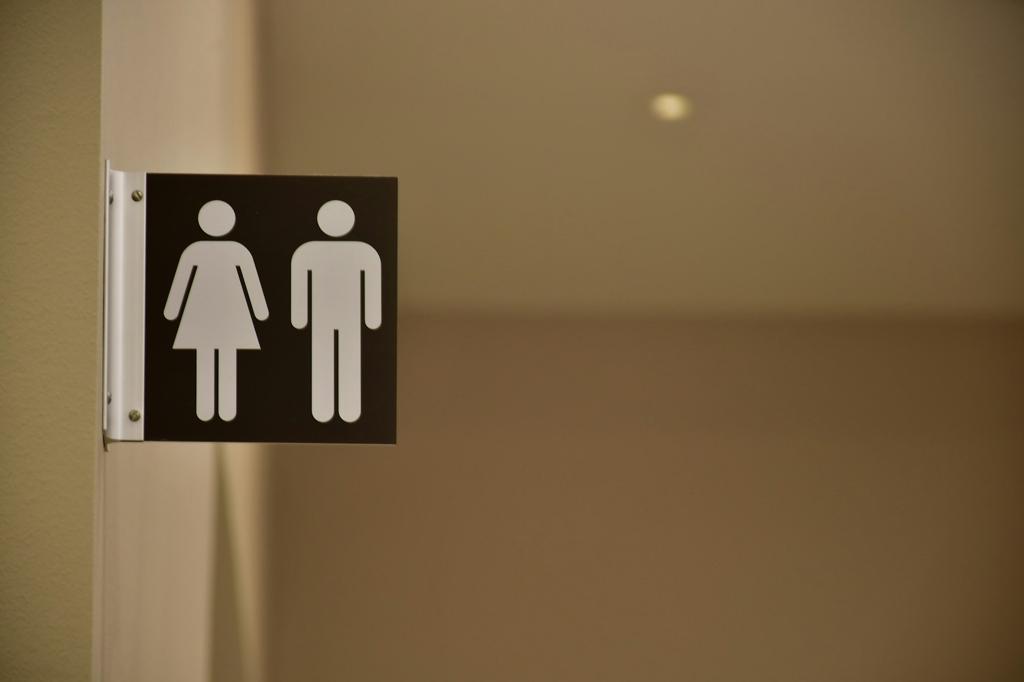
Kansas' recent laws requiring that driver's licenses reflect biological sex and mandating single-sex public bathrooms and locker rooms have ignited a heated debate, drawing both sharp criticism and strong support. The controversy reflects a broader national conversation about the rights of transgender individuals versus concerns over privacy and safety in sex-segregated spaces.
Explainer Transgender Rights and Policies: A Comprehensive Overview of Ongoing Debates
The core dispute centers on whether such laws are necessary to protect women’s safety and privacy or whether they unfairly target transgender people and restrict their rights. Supporters argue that these measures are essential for preventing abuse and maintaining clear boundaries in public facilities. Opponents, however, warn that the laws discriminate against transgender individuals and could lead to further marginalization.
Kansas Laws and Gessen’s Critique
Masha Gessen, a columnist for the New York Times, has been a prominent critic of the Kansas statutes. In a recent column, Gessen described the laws as "fascist" and recounted the experiences of transgender women affected by the new requirements. The columnist highlighted concerns that transgender women could be forced into men’s prisons under the law, raising fears for their safety and well-being. Gessen also discussed the impact on families of transgender individuals, sharing personal stories of estrangement and hardship that have resulted from the implementation of these policies.
Gessen’s reporting extended to a summer camp for "queer kids" in Kansas, where staff managed campers’ prescriptions, including antidepressants, ADHD medication, and hormones. The article raised questions about the health effects of hormone treatments for minors, a topic that has been the subject of ongoing debate among medical professionals and policymakers.
In response to Gessen’s critique, Nathanael Blake, a senior contributor to The Federalist, pushed back against the characterization of the laws as dehumanizing. Blake argued that the Kansas statutes simply recognize biological reality and suggested that the real harm comes from what he described as "transgenderism," which he claims rejects the natural state of the body. "What is really dehumanizing is transgenderism, which rejects our embodied being, hating and mutilating natural, healthy bodies," Blake wrote.
Safety Concerns and National Incidents
Supporters of Kansas’ laws have pointed to incidents in other states as justification for maintaining sex-based spaces. In Virginia, local news reports detailed how a registered sex offender was allowed to access women’s locker rooms for several weeks despite complaints. In another case in the Seattle area, a man was permitted to remain in a women’s locker room during a children’s swim meet. Advocates for the Kansas laws cite these incidents as evidence that policies allowing access based on gender identity can be exploited and may compromise the safety and privacy of women and girls.
Gessen’s article also referenced concerns that placing transgender women in men’s prisons could endanger them, given the risks faced by transgender inmates in male facilities. However, critics of housing biological males in women’s prisons argue that such policies have resulted in assaults and other safety risks for female inmates. The Biden administration and several states continue to allow transgender women in women’s prisons, a policy that remains controversial and the subject of ongoing legal and political debate.
Family and Military Policy Debates
Gessen’s column further explored the impact of military policies on transgender service members. Under the Obama and Biden administrations, the military has provided gender-affirming care, including medical treatments and support for transgender personnel. Gessen recounted the story of a servicemember who was discharged after coming out as transgender, leading to family separation and personal hardship. Critics of these military policies argue that prioritizing transgender issues within the armed forces has come at the expense of readiness and family stability.
The columnist also described family tensions and estrangement that can follow when a family member undergoes a gender transition. Nathanael Blake responded to these accounts by arguing that the real harm falls on families and children affected by such transitions, rather than on those enforcing the laws.
Responses and Ongoing Debate
Advocates for transgender rights have condemned the Kansas laws as discriminatory and harmful, echoing Gessen’s description of the statutes as "dehumanizing." State officials and supporters of the laws, meanwhile, maintain that the measures are necessary to protect privacy and safety in sex-segregated spaces. As of publication, supporters of the Kansas statutes have not publicly addressed the specific criticisms raised in Gessen’s article.
The debate over sex-based spaces and transgender rights continues to play out in state legislatures and courts across the country. Both sides cite safety, privacy, and civil rights concerns as they advocate for their positions. The outcome of these debates in Kansas and elsewhere is likely to influence similar policies and discussions nationwide, as states grapple with how to balance competing interests and protect the rights and safety of all citizens.