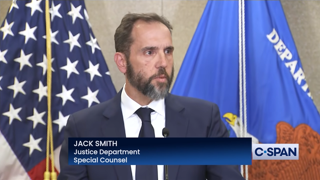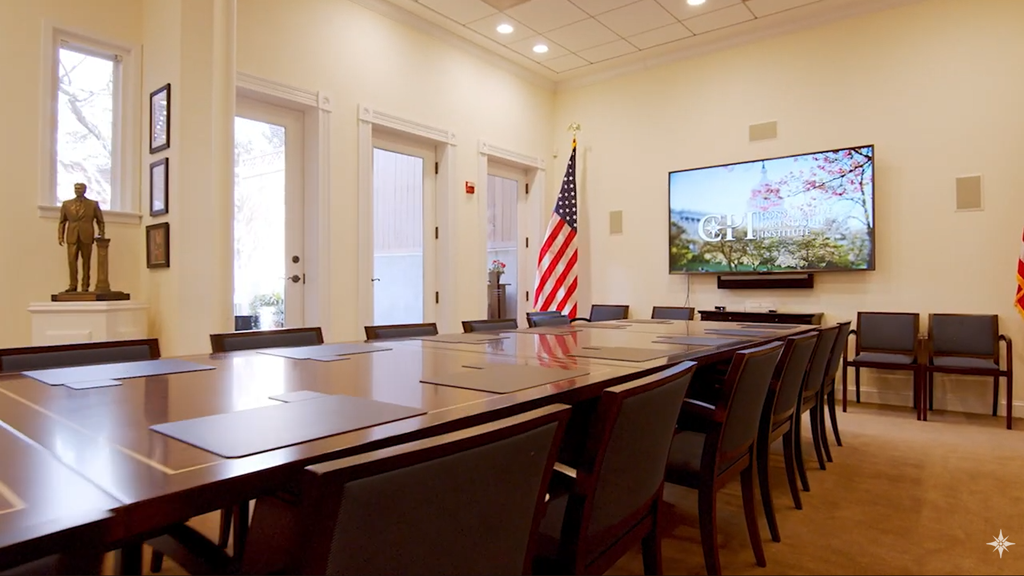
Federal investigators led by former Special Counsel Jack Smith obtained payroll and insurance records from the Conservative Partnership Institute (CPI) as part of their Arctic Frost investigation into events surrounding the Capitol demonstrations, according to whistleblower disclosures reported by independent journalist Catherine Herridge and confirmed by Sen. Chuck Grassley, R-Iowa.
The disclosures have raised concerns among conservatives about the scope of federal probes into organizations linked to former President Donald Trump and the collection of sensitive personal data. The Arctic Frost investigation, which focused on the events of January 6 and related activities, has faced criticism from Republican lawmakers and conservative groups who argue that federal law enforcement has overreached in its pursuit of Trump allies and conservative organizations.
Smith’s team acquired CPI’s February 2023 payroll data, which included details on employees’ medical, dental, and vision insurance, as well as a CPI bank statement, according to Herridge’s reporting. The records were reportedly obtained through subpoenas as part of a broader effort that targeted several conservative groups. Grassley’s office previously revealed that the FBI sought banking and communication records from organizations including CPI, naming individuals such as Mark Meadows, CPI’s senior partner and Trump’s former White House chief of staff, and Cleta Mitchell, chair of the Election Integrity Network.
Details of Data Collection
Whistleblower documents, reportedly obtained by Grassley, indicate that Smith’s team collected information that went beyond the original mandate of investigating the Capitol demonstrations. Herridge reported that the data sweep included not only payroll and insurance details but also a CPI bank statement. Additional records released by the House Judiciary Committee showed that the FBI targeted CPI President and CEO Ed Corrigan, referencing allegations from an unidentified source about Corrigan and Meadows engaging in criminal activity and claims about training infrastructure for civil unrest.
Grassley recently sent a memo to Senate Judiciary Committee colleagues stating that Smith’s Arctic Frost team acquired personal information on at least 639,000 Republican voters, donors, and supporters. This data reportedly included names, addresses, credit card data, and records of MAGA hat sales and purchases. The scope of the data collection has fueled concerns among conservative leaders about the privacy of individuals associated with right-leaning organizations and the potential for political targeting.
The whistleblower documents suggest that the investigation’s reach extended to sensitive personal and financial information, raising questions about the justification for collecting such data. The House Judiciary Committee’s records indicated that the investigation included communications among FBI officials discussing unverified allegations against CPI leadership, including Corrigan and Meadows. These records have contributed to ongoing debates about the boundaries of federal investigative authority and the protection of civil liberties.
Reaction From Conservative Leaders
CPI Vice President of Programs Rachel Bovard criticized the data collection, questioning its relevance to the investigation.
"I am at a loss to explain why Jack Smith thought the details of [my] dental and vision plans were part of a grand political conspiracy against democracy."
— Rachel Bovard, CPI Vice President of Programs
Bovard further accused Smith of using the federal government to "harass and falsely accuse innocent conservatives for years," calling the actions "unconscionable." She argued that the legal process was weaponized to punish political opponents of President Joe Biden. Other conservative leaders have echoed these concerns, warning that the collection of such detailed personal information could have a chilling effect on political participation and free association.
Grassley and other Republican lawmakers have called for greater transparency regarding the methods and scope of the Arctic Frost investigation. They have requested explanations from federal law enforcement agencies about the rationale for collecting payroll and insurance data from CPI and other conservative groups. Critics argue that the investigation’s broad data collection practices risk undermining public trust in federal law enforcement and could set a precedent for future probes into political organizations.
Broader Context and Response
The Arctic Frost probe has drawn scrutiny from Republican lawmakers and conservative groups, who argue that federal law enforcement has overreached in its pursuit of Trump allies. Grassley’s office previously disclosed that the FBI’s subpoenas targeted multiple conservative organizations. The House Judiciary Committee’s records indicated that the investigation included communications among FBI officials discussing unverified allegations against CPI leadership.
Officials involved in the Arctic Frost investigation have not publicly addressed the criticism or explained the rationale for collecting the payroll and insurance data from CPI. The lack of public comment from investigators has further fueled calls for oversight and accountability. As the debate continues, lawmakers and advocacy groups are pressing for answers about the scope and justification of the data collection, as well as safeguards to protect the privacy of individuals associated with political organizations.
The controversy highlights ongoing tensions between federal investigative powers and concerns about civil liberties, particularly in politically charged contexts. The outcome of these discussions may influence future guidelines for federal investigations involving political groups and the handling of sensitive personal data.