The Salvadoran government is intensifying efforts to persuade its citizens living in the United States, including those protected by Temporary Protected Status (TPS), to return home as the country's economy expands and U.S. immigration protections face renewed uncertainty.
Explainer How DHS Shapes Immigration Enforcement and Election Security in America
The core debate centers on whether Salvadorans in the U.S. should remain under TPS or heed El Salvador's call to return amid claims of improved security and economic opportunity.
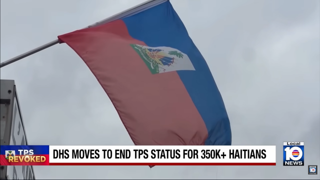
TPS for Salvadorans, which shields about 232,000 people from deportation, was recently extended for six months after the Department of Homeland Security (DHS) did not act on the latest renewal. The Trump administration has signaled that termination remains likely, but for now, Salvadorans retain their protections. Advocacy groups, including 80 Democratic lawmakers in a July letter to DHS Secretary Markwayne Mullin, have argued that El Salvador lacks the capacity to absorb returnees, citing "precarious and deteriorating" economic foundations.
El Salvador's Recruitment Campaign
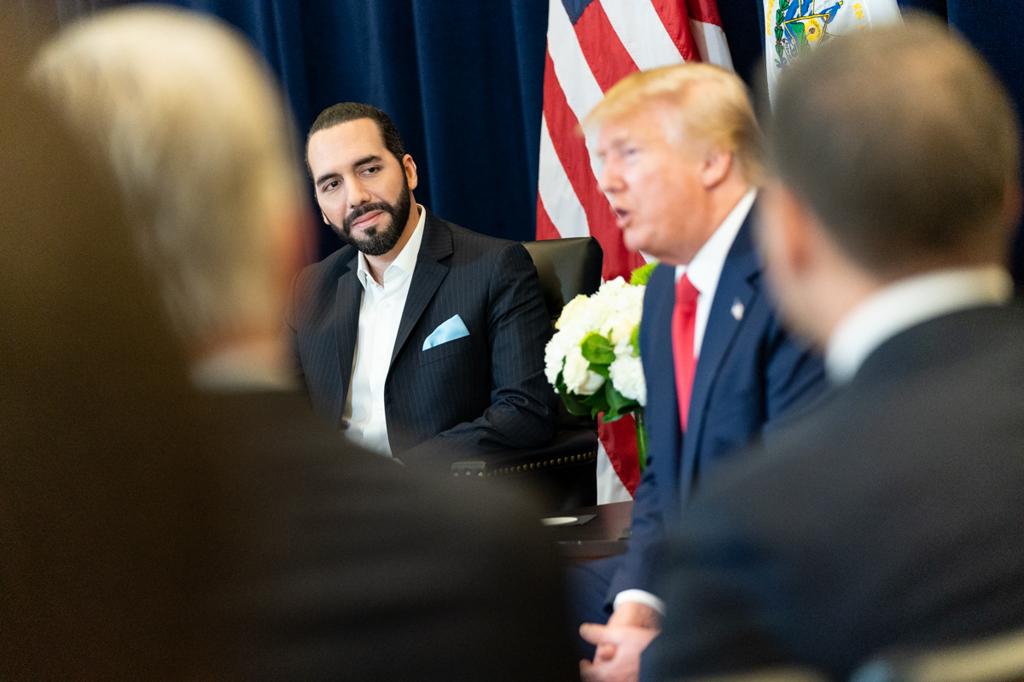
Contrary to critics' claims, President Nayib Bukele's government has launched a "Reverse Migration" initiative and a five-year recruitment strategy targeting Salvadorans in the U.S. The campaign includes Special Law 375, which offers financial incentives such as duty-free importation of up to $100,000 in household goods and vehicles, tax exemptions for transferring funds, and job placement programs through the Ministry of Labor. Additional support includes emergency shelter, medical checkups, and legal assistance for returnees.
The government has also introduced a "Free Passports" program to fast-track skilled diaspora professionals into full citizenship and provides micro-enterprise support and scholarships, with $100 million in financing from the Inter-American Development Bank for young Salvadorans, including returnees.
Economic and Security Changes in El Salvador
El Salvador's push to attract returnees follows a period of rapid economic growth and improved security. Since 2022, security sweeps have led to the imprisonment of tens of thousands of gang members, contributing to a reported 98 percent reduction in homicides since 2015. The country has seen a surge in real estate, infrastructure, and tourism development, with GDP projected to rise by 4.5 percent in 2026 and continued foreign investment from institutions like the International Monetary Fund.
Polling cited in The Federalist shows President Bukele maintains approval ratings above 80 percent, and he was reelected in 2024. Despite international criticism of his security policies, many Salvadorans in the U.S. are investing in property back home, purchasing high-end condos and homes.
"My country is beautiful and totally safe. The U.S. is good for working, but it’s hard, physical labor, and not everyone is made for that."
— Orsi Chicas, Salvadoran returnee
Uncertainty for TPS Holders in the U.S.
While El Salvador promotes a welcoming environment for returnees, many Salvadorans in the U.S. remain uncertain about their future. According to NBC News, advocacy groups like the National TPS Alliance have urged recipients not to panic, emphasizing the need for a permanent solution for those who have lived in the U.S. for decades. José Palma, the alliance's national coordinator, noted that many TPS holders have U.S. citizen children and deep ties to American communities.
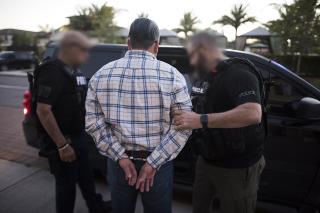
The Trump administration deported over 9,000 Salvadorans between early 2025 and March 2026, with thousands more expected to be removed in the coming years. It remains unclear how many have voluntarily returned to El Salvador to take advantage of the new incentives. Critics of the administration argue that ending TPS would unjustly separate families and force returnees into hardship, while supporters point to El Salvador's economic progress and government programs as evidence that returnees would be welcomed and supported.
Some returnees report positive experiences. Jose Vidal, who left Los Angeles after three decades, said his U.S. pension "wasn’t enough to live on in California," but he can "get by comfortably" in San Salvador. However, advocacy organizations continue to highlight concerns about family separation and adjustment challenges for those facing deportation.
The Department of Homeland Security and Salvadoran officials have not publicly addressed the latest criticisms from advocacy groups regarding the risks of ending TPS.