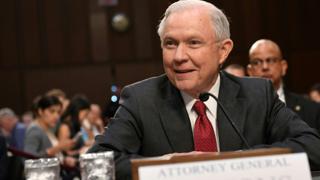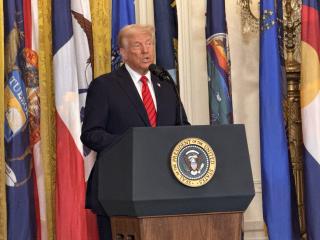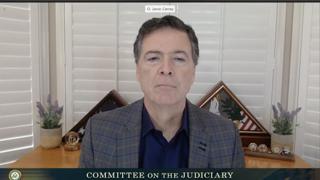
Former FBI Director James Comey has retained Patrick Fitzgerald in a criminal leaking case that already turns on witness credibility, document handling, and privilege boundaries. The choice is legally significant because Fitzgerald has been publicly identified as someone who received Comey-related material during earlier controversies.
The central prosecution claims connect to the same broader dispute covered in Comey's indictment story: whether key representations to Congress and related disclosures crossed the line from political conflict into criminal exposure.
Why this defense choice is consequential
In high-profile federal cases, defense teams often include lawyers with deep subject-matter knowledge and longstanding relationships to events in dispute. That can be an advantage for strategy. It can also create risk if the attorney may be called as a factual witness, or if privilege claims could overlap with contested evidence.
Prosecutors have signaled that this is the fault line. Their argument is that an attorney who may possess firsthand factual knowledge can complicate fair trial mechanics, including testimony planning, cross-examination scope, and discovery boundaries.
The conflict question in plain terms
The legal issue is not abstract politics. It is whether counsel structure could limit the jury's access to relevant facts or create asymmetric evidentiary protection. Courts evaluate those disputes by balancing a defendant's right to chosen counsel against the court's duty to preserve trial integrity.
The record referenced in this case also intersects with prior material from the DOJ Inspector General and related document trails. That is why observers should focus on concrete rulings: who can testify, what communications remain privileged, and what the court permits both sides to present.
What to watch next in the docket
Three milestones matter most:
- Any formal motion to disqualify or limit counsel roles.
- Court guidance on privilege claims tied to memo transmission.
- Pretrial rulings on admissibility of prior statements and documentary evidence.
Those rulings will determine whether the case turns primarily on legal theory or on a narrower factual record. For connected context, readers can review DOJ independence and internal-friction reporting and the related explainer on the Comey charge timeline.
Why this matters beyond one defendant
Even outside this case, courts regularly face the same structural question: when does counsel selection begin to interfere with fact-finding? The answer shapes public confidence in politically sensitive prosecutions. A ruling that is clearly reasoned and consistently applied can lower temperature and improve legitimacy on both sides of the argument.