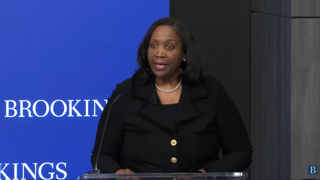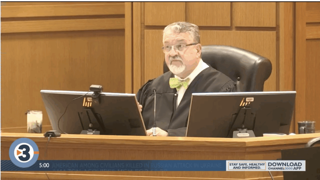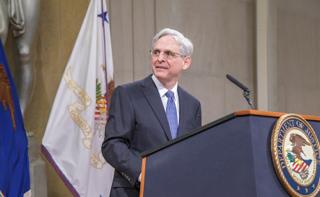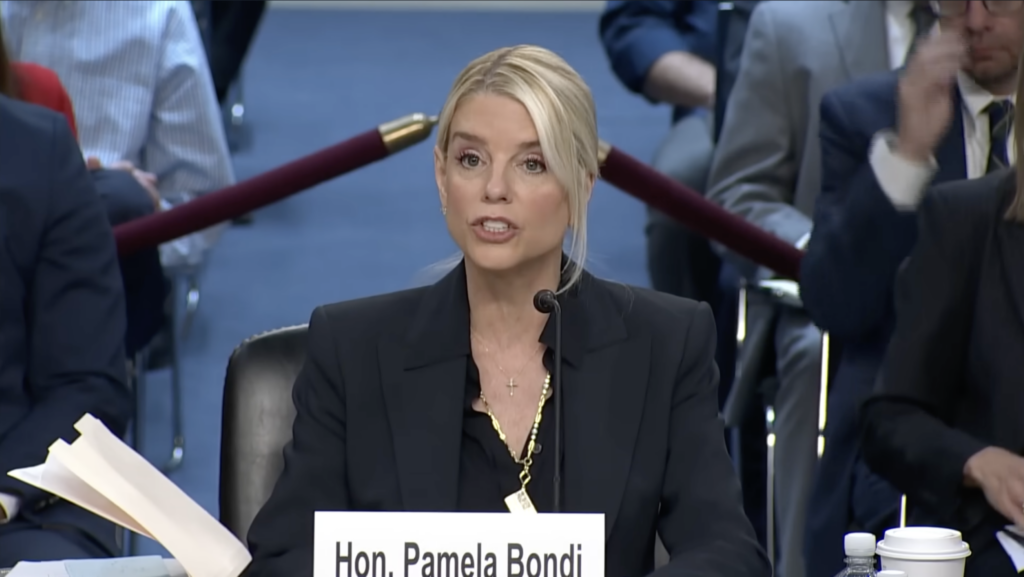
President Trump announced on Thursday that Pam Bondi would no longer serve as attorney general, appointing Todd Blanche as the interim replacement. As Trump considers candidates for the permanent position, several individuals have emerged as strong contenders, each with a commitment to enforcing the law and addressing perceived political biases within the legal system.
Explainer Navigating Virginia's Electoral Landscape: Key Issues and Reforms
The core tension lies in the candidates' ability to navigate a legal landscape that many conservatives view as hostile, particularly in light of ongoing political disputes. Supporters argue that these candidates possess the necessary experience and resolve to restore integrity to the Department of Justice (DOJ).
Pam Bondi's departure follows a series of controversies surrounding the DOJ, prompting calls for a leadership change that could realign the agency's priorities. Trump’s potential candidates have backgrounds that reflect a willingness to confront what they describe as a politicized legal environment.
Potential Candidates
Among the candidates being considered is Russ Vought, the former Director of the Office of Management and Budget. Vought has been vocal about his opposition to what he terms leftist policies, having previously cut funding for initiatives he deemed wasteful, such as critical race theory programs. He stated, "Restoring rule of law isn’t merely about competence but also a willingness to confront bureaucratic waste."
Brendan Carr, currently serving as the chairman of the Federal Communications Commission, is also in the running. Carr has a reputation for holding powerful institutions accountable, exemplified by his actions against ABC for broadcasting false claims. He has emphasized the need for accountability, stating, "Enforcing rules in a politicized environment requires backbone."
Theo Wold, who has experience within the DOJ and state attorney general offices, is another candidate. Wold has been involved in significant legal battles, including defending the Second Amendment and opposing federal overreach. His supporters argue that his legal expertise is crucial for addressing current challenges.
Political Experience
Florida Governor Ron DeSantis has also been mentioned as a potential choice. Known for his decisive actions on various issues, DeSantis has taken steps to curb perceived censorship by Big Tech and has actively supported border security initiatives. His administration's response to legal challenges has drawn attention, with DeSantis noted for his willingness to utilize state resources effectively.
Eric Schmitt, the attorney general of Missouri, has gained recognition for his legal battles against federal policies he views as overreaching. Schmitt led a lawsuit against the Biden administration regarding its alleged collusion with tech companies to suppress free speech. He has been quoted as saying, "I understand the stakes of the moment and am committed to defending our Constitution."
Austin Knudsen, the attorney general of Montana, has faced significant challenges, including a 41-count ethics complaint related to his representation of the state legislature. Despite this, Knudsen has demonstrated a readiness to confront judicial overreach, a quality that supporters believe is essential for the next attorney general.
Cleta Mitchell, a senior legal fellow at the Conservative Partnership Institute, has focused her career on election integrity. She has been a vocal critic of what she describes as abuses within the electoral process, particularly regarding the 2020 Georgia election. Her advocacy for accountability has resonated with many conservatives.
Balancing Perspectives
While these candidates have garnered support from conservative circles, critics argue that their approaches may further politicize the DOJ. Some legal experts caution that a focus on ideological battles could detract from the agency's core mission of upholding the law impartially. As of now, officials from the Trump administration have not publicly addressed these concerns.
As the search for a permanent attorney general continues, the stakes remain high for the Trump administration, which seeks to reshape the DOJ in a manner that aligns with its priorities. The candidates' ability to navigate the complexities of the legal system while addressing the concerns of their supporters will be critical in the coming months.