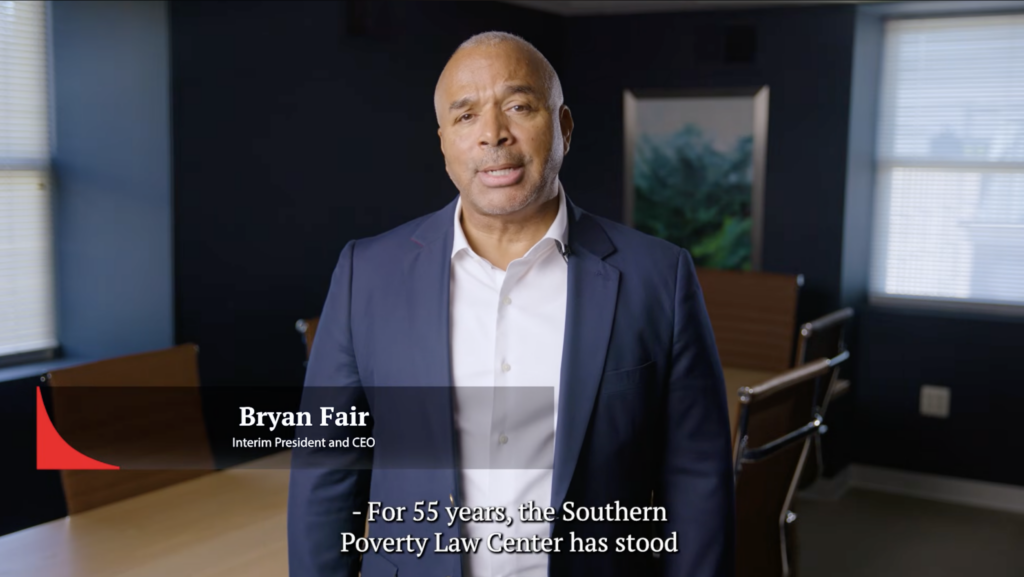
The Southern Poverty Law Center (SPLC) has been indicted by a federal grand jury on serious charges of wire fraud and conspiracy to commit concealment money laundering. Prosecutors allege that the organization misappropriated millions in donations, using these funds to pay individuals associated with extremist groups, including the notorious Ku Klux Klan. This significant legal development raises profound questions about the SPLC's credibility as a watchdog against hate and extremism, a role it has long claimed to fulfill.
The indictment reveals a stark contrast between the SPLC's public stance and its alleged actions. Reports indicate that the SPLC funded a source who made racist online posts under the organization's direction. Critics of the SPLC argue that this behavior undermines its role as a leading arbiter of what constitutes hate and extremism. This is particularly concerning given that the SPLC has actively encouraged corporations to blacklist conservative groups based on accusations of racism, which may now be seen as hypocritical.
According to the indictment, the SPLC paid over $270,000 to a field source between the years 2015 and 2023. This individual was reportedly part of the online leadership chat group that organized the infamous 2017 "Unite the Right" rally in Charlottesville, Virginia. Furthermore, this person was involved in making racist postings while also coordinating transportation for rally attendees. The SPLC's alleged actions stand in direct contradiction to its long-standing campaign against hate groups, raising serious concerns about its motives and integrity.
Allegations of Censorship
The SPLC has faced mounting criticism for its influence on corporate policies regarding conservative organizations. In a 2020 letter, Republican members of the House Judiciary Committee expressed their concerns to Amazon CEO Jeff Bezos about Amazon Smile's relationship with the SPLC. They argued that this partnership contributed to the exclusion of conservative groups from the platform, thereby limiting their exposure and fundraising opportunities. The letter stated, "Amazon’s reliance on the SPLC as a barometer to determine the eligibility of charitable organizations on AmazonSmile serves to discriminate against conservative views."
The SPLC's actions have drawn ire from various conservative groups, including Turning Point USA. This organization was accused by SPLC writer Rachael Fugardi of promoting "white Christian supremacy." Fugardi claimed that the SPLC exploits fears surrounding this issue to further its political agenda. In response, Turning Point USA has denied these allegations, asserting that they are unfounded and politically motivated.
Broader Implications
The SPLC's alleged funding of racist posts raises broader questions about the organization's credibility and its impact on public discourse. Critics argue that the SPLC's labeling of conservative groups as hate organizations has real-world consequences, affecting their reputations and fundraising abilities. Elle Purnell of The Federalist noted that the SPLC's smear campaign against conservative organizations threatens not only their reputations but also their physical safety.
The SPLC has also targeted other organizations, such as Alliance Defending Freedom, labeling it a hate group for its advocacy on issues like women's sports and pro-life initiatives. This designation has sparked backlash from those who argue that the SPLC's criteria for labeling hate groups are overly broad and politically charged, potentially misrepresenting the intentions of these organizations.
While the SPLC has not publicly responded to the indictment or the allegations of funding racist posts, its past actions have prompted calls for greater scrutiny of its influence on public policy and corporate practices. Supporters of the SPLC argue that it plays a crucial role in identifying and combating hate groups. However, the recent allegations could significantly undermine its standing in this regard.
As the legal proceedings unfold, the SPLC's future and its role in the national conversation about hate and extremism remain uncertain. The organization has long positioned itself as a defender against hate, but these new allegations may challenge that narrative and prompt a reevaluation of its practices and influence. The outcome of this case could have lasting implications for the SPLC and its ability to operate as a credible authority on issues of hate and extremism in America.