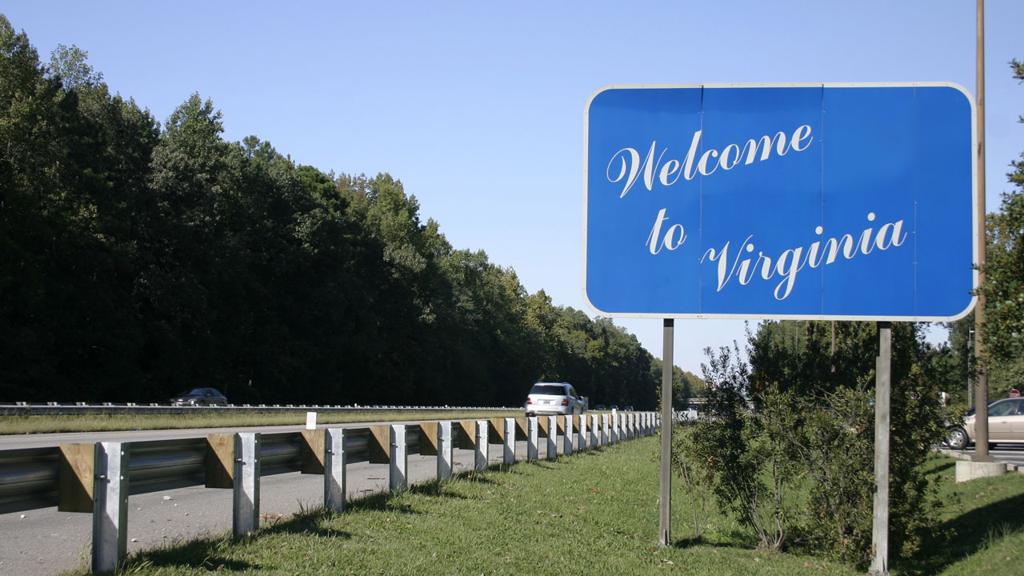
Virginia lost 51,400 jobs in the year ending May 31, marking the highest job loss of any state during that period, according to data from the Bureau of Labor Statistics and reporting from Cardinal News. The decline was driven in part by federal government cutbacks, with about 40% of the losses tied to reductions in federal employment. Even excluding the federal cuts, Virginia would still lead the nation in job losses, highlighting the depth of the state’s employment challenges.
Explainer Virginia's Legal Battles Over Gun Control, Abortion, and Redistricting Explained
The state’s economic picture is sending mixed signals, as policymakers and businesses weigh the impact of significant job losses against a strong budget surplus and improved business climate rankings. This combination of negative and positive indicators has left many observers uncertain about the direction of Virginia’s economy in the near term.
Job Losses Across Sectors
Virginia’s economic challenges come as the state transitions away from traditional manufacturing and federal contracting. Several major factories have closed in the past year, and new projects that could replace lost jobs are still years from completion. The Goodyear plant in Danville and the Yokohama plant in Salem both shuttered in the last year, contributing to Virginia’s status as the state losing manufacturing jobs at the fastest rate in the country.
The losses have not been limited to manufacturing. Professional, scientific, and technical service jobs—many of which are tied to federal contracting—also saw significant declines. According to Cardinal News, these sectors accounted for 22,600 lost positions, or nearly 44% of the total job losses in the state over the past year.
"Virginia has actually lost more jobs (22,600 or 43.9% of the total) from professional, scientific and technical service jobs; a lot of federal contractors fit under that category. Virginia has lost jobs in most other categories, too."
— Dwayne Yancey, Cardinal News
State officials have pointed to future-oriented manufacturing projects, such as energy and pharmaceutical plants, as potential sources of new jobs. However, most of these projects remain in the planning or construction phase and are not expected to provide immediate relief to the job market. The proposed fusion plant in Chesterfield, for example, has been described as a possible game changer for the state’s economy, but its success and timeline remain uncertain.
Budget Surplus and Business Climate
Despite the ongoing job losses, Virginia ended the fiscal year on June 30 with a $936 million budget surplus. General fund revenues rose 6.7% year-over-year, increasing by more than $2 billion. State officials have indicated that over $500 million of the surplus will be included in the 2027 budget, providing some fiscal cushion as the state navigates its economic transition.
Virginia also improved its standing in CNBC’s annual America’s Top States for Business rankings, moving up to third place after dropping to fourth the previous year. The state’s infrastructure and education policies were cited as key strengths in the 2026 rankings, with infrastructure ranked second and education fifth nationwide. CNBC noted that its ranking methodology changes annually, which can affect state positions from year to year.
Economic Outlook and Policy Responses
Economists at the University of Virginia’s Weldon Cooper Center for Public Service have projected continued job losses for the current year. However, their forecasts suggest that the state could begin to add jobs again in 2027, as new industries mature and planned projects come online. Secretary of Finance Mark Sickles, in testimony to the state Senate, cautioned that while revenue projections for the current fiscal year are positive, broader economic trends could pose risks ahead.
"While Fiscal Year 2026 looks good for revenues, macroeconomic trends indicate there may be storm clouds on the horizon."
— Mark Sickles, Virginia Secretary of Finance
Supporters of the state’s economic strategy argue that investments in infrastructure and education will pay off as new industries mature, potentially offsetting the current job losses. They point to the state’s improved business climate rankings and budget surplus as signs that Virginia is positioned for long-term growth. Critics, however, highlight the immediate pain caused by job losses and the uncertainty facing workers in manufacturing and federal contracting sectors. They note that state officials have not detailed new measures to address the ongoing job declines, leaving some communities vulnerable as they await new opportunities.
Uncertain Path Forward
Virginia’s economic outlook remains uncertain. Policymakers and businesses are watching closely for signs of recovery or further contraction as the state navigates its transition to new industries. The coming years will likely determine whether investments in infrastructure and education can help Virginia regain its footing in the job market, or whether further intervention will be needed to address persistent employment challenges.