The Southern Poverty Law Center (SPLC) was indicted by a federal grand jury on charges of wire fraud and conspiracy to commit concealment money laundering, according to a statement released Tuesday. The indictment alleges that the SPLC misappropriated over $3 million from donors, directing funds to extremist groups through a covert network of informants.
This development raises significant questions about the SPLC's financial practices and its broader impact on organizations it labels as extremist. Critics argue that the SPLC's tactics not only harm the reputations of conservative groups but also pose risks to their safety and fundraising efforts.
The SPLC is known for its controversial practice of categorizing various organizations as hate groups, including both violent extremist factions and mainstream civil liberties groups. For instance, it has labeled the Alliance Defending Freedom (ADF) as a hate group for its defense of traditional marriage and religious freedoms. This classification has drawn criticism from conservatives who contend that it undermines legitimate discourse on social issues.
Key Details
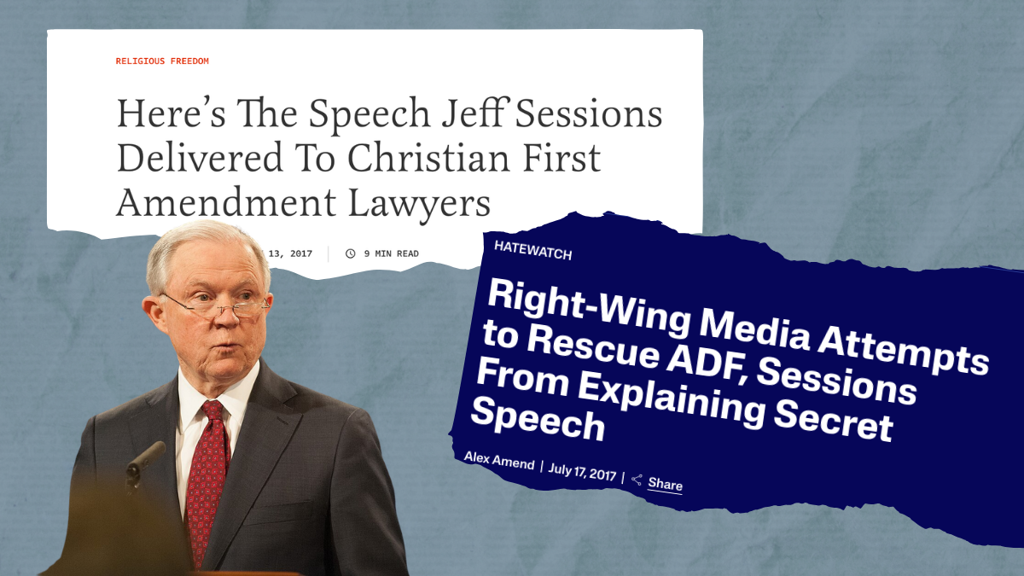
In 2017, The Federalist found itself targeted by the SPLC after publishing an exclusive article featuring a speech by then-Attorney General Jeff Sessions. The SPLC condemned The Federalist as a “rabidly partisan” outlet, claiming it promoted anti-LGBT and anti-trans narratives. The article in question reported on Sessions’ remarks at an event hosted by the ADF, which the SPLC has criticized for its stance on LGBTQ issues.
Background and Reactions
SPLC spokesperson Alex Amend stated, "The Federalist’s anti-trans bias is literally embedded in its style guide," referring to the publication's policy of using biologically accurate pronouns. Amend further argued that the content published by The Federalist contributes to a culture of discrimination against LGBTQ individuals.
The SPLC's actions have drawn scrutiny, particularly in light of the 2012 shooting at the Family Research Council's Washington, D.C. office, where the shooter cited the SPLC’s designation of the organization as a hate group as motivation for his attack. This incident highlights the potential consequences of the SPLC's labeling practices, which critics argue can incite violence against those categorized as extremists.
In response to the SPLC's accusations, The Federalist has defended its reporting and editorial choices. The publication argues that its coverage of Sessions’ speech was a legitimate exercise of journalistic freedom, emphasizing the importance of religious liberty. Sessions himself did not address the SPLC's criticisms directly but has previously stated the administration's commitment to protecting religious rights.
The SPLC's indictment comes amid increasing scrutiny of its operations and financial transparency. Critics have pointed to the organization's substantial fundraising efforts, questioning how funds are allocated and whether they are used to support legitimate civil rights work or to further a partisan agenda.
The SPLC has faced backlash not only from conservative groups but also from some civil rights advocates who argue that its tactics can undermine the credibility of genuine hate crime reporting. As the organization navigates these legal challenges, it remains to be seen how its reputation will be affected and whether it will address the criticisms leveled against its practices.
The SPLC has not publicly responded to the indictment or the specific allegations regarding its financial conduct. Supporters of the organization maintain that it plays a crucial role in monitoring hate groups and advocating for marginalized communities, asserting that its work is vital in the fight against extremism.
As this situation unfolds, the implications for both the SPLC and the organizations it targets could reshape the landscape of civil rights advocacy and the discourse surrounding hate and extremism in America.