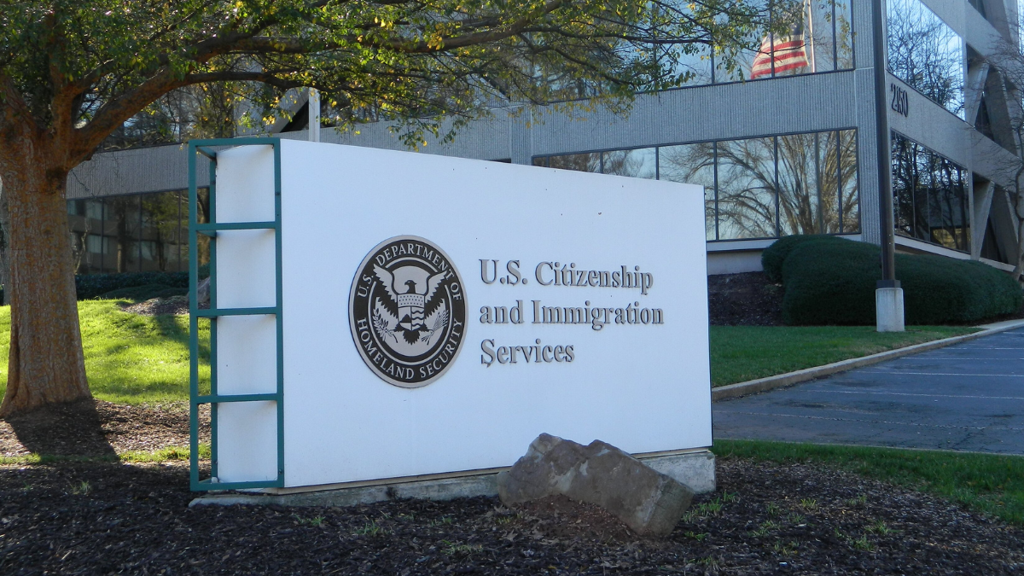
A former deputy field office director for U.S. Immigration and Customs Enforcement (ICE) is warning that a mounting backlog at U.S. Citizenship and Immigration Services (USCIS) is allowing nonimmigrants to remain in the United States for years while their cases are pending, regardless of whether their applications are ultimately approved or denied. The situation, according to Scott Mechkowski, stems from the way federal law is currently interpreted and administered, effectively enabling applicants to extend their stay simply by filing paperwork.
The central issue, Mechkowski says, is the pause on the accrual of unlawful presence for nonimmigrants who submit timely, non-frivolous requests to extend or change their status before their authorized period of stay expires. This pause is codified in the Immigration and Nationality Act § 212(a)(9)(B)(iv), which is referenced in 8 USC 1182. While Congress initially envisioned that such cases would be resolved within 120 days, Mechkowski notes that USCIS now treats the entire period a case is pending as authorized, regardless of how long adjudication takes.
The result, he argues, is that the backlog has become a significant point of contention in the ongoing debate over immigration enforcement and the administrative capacity of federal agencies. Critics of the current system claim that it encourages the filing of paperwork as a means to remain in the country, rather than focusing on the merits of each case. Supporters, on the other hand, point to resource constraints and the complexity of immigration cases as primary reasons for delays.
How the Law Pauses Unlawful Presence
Under the Immigration and Nationality Act, specifically 8 USC 1182, the accrual of unlawful presence is paused when a nonimmigrant files a timely, non-frivolous application to extend or change status. Mechkowski explains that Congress assumed these cases would be decided within four months, but in practice, many now take years to resolve due to the backlog.
USCIS currently faces a caseload of more than 11 million pending applications, with a net backlog exceeding 6 million cases that the agency acknowledges are within its control to adjudicate, according to Mechkowski. He asserts that this backlog allows applicants to remain in the United States for extended periods, even if their applications are ultimately denied. "A system that gives away its most valuable commodity, time on American soil, as an automatic byproduct of filing paperwork is going to drown in paperwork," Mechkowski said.
Incentives and Loopholes in the System
Mechkowski contends that the current legal framework creates incentives for nonimmigrants to file applications regardless of their strength, because the mere act of filing pauses the accrual of unlawful presence. This means that even applications with little chance of approval can provide applicants with years of protected time in the country. During this period, individuals may pursue other avenues to remain in the U.S., such as marriage to a U.S. citizen or employer sponsorship.
The only statutory limitation is that the application must be non-frivolous. USCIS defines a non-frivolous application as one that has an "arguable basis in law and fact" and is not filed for an improper purpose. However, Mechkowski argues that with millions of cases pending, there is little meaningful screening for improper purpose at the time of filing. Instead, the standard is often applied only years later, after the applicant has already benefited from the delay.
Proposed Changes and Agency Response
To address these issues, Mechkowski recommends that Congress reverse the current presumption. He suggests that no application should stop the unlawful presence clock unless the government affirmatively determines at intake that it meets a threshold showing of merit. Additional proposals include limiting eligibility for tolling, restricting serial extensions, and imposing retroactive consequences for frivolous or improper filings.
Mechkowski also emphasizes that the backlog is not solely the fault of applicants. "Who caused the backlog is a fair fight, and I’ll leave it one," he said, highlighting that the real problem lies in the incentive structure rather than the intent of individual applicants.
USCIS has not publicly responded to these specific criticisms. However, agency officials have previously cited resource constraints and the complexity of cases as key factors contributing to processing delays. Supporters of the current system argue that due process and thorough review are necessary to ensure fairness in immigration proceedings, even if this results in longer wait times.
The debate over how to address the USCIS backlog and its impact on immigration enforcement is ongoing. As Congress considers potential reforms and the agency seeks to reduce processing times, the question of how to balance administrative efficiency with fairness and due process remains at the forefront of the immigration policy discussion.