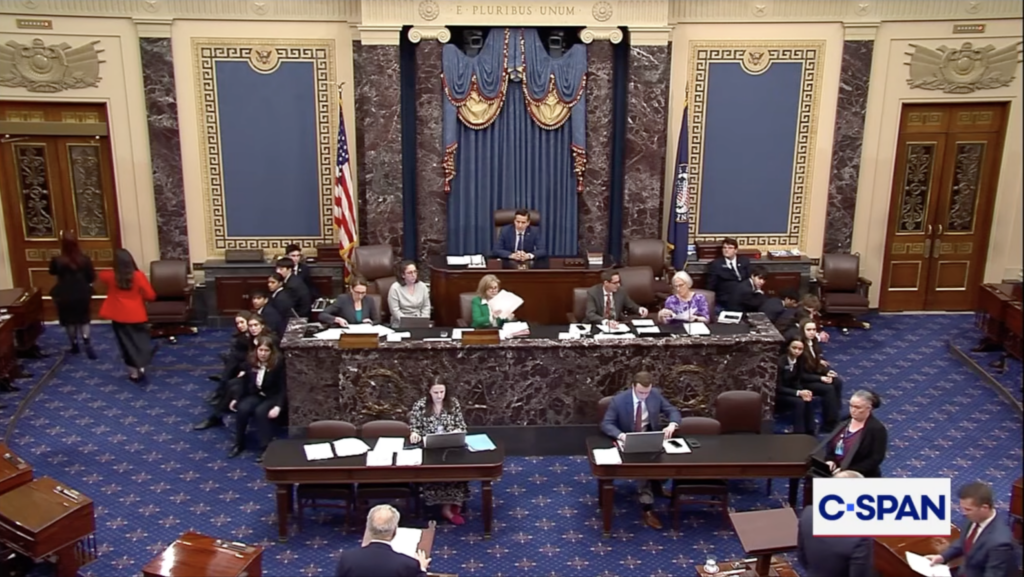
House Republicans are reportedly rejecting a Senate deal that would reopen the Department of Homeland Security (DHS) without allocating funding for Immigration and Customs Enforcement (ICE) or certain parts of Customs and Border Protection (CBP). This decision comes after Senate Democrats celebrated the agreement, which they claim reflects a significant concession by Republicans on critical immigration enforcement funding. The implications of this funding decision are substantial, as they raise questions about the future of immigration enforcement and whether Republicans are willing to negotiate on such a fundamental issue. Critics of the Senate deal argue that conceding funding could undermine the enforcement of immigration laws, while supporters assert that it is a necessary compromise to ensure some level of operational continuity for DHS.
Explainer Understanding ICE: Enforcement, Operations, and the Immigration Debate
The Senate struck the deal early Friday morning, leading to a statement from Senate Minority Leader Chuck Schumer. He emphasized that the agreement was reached without a “blank check” for ICE and CBP. Schumer stated, “In the wake of the murders of Renee Good and Alex Pretti, Senate Democrats were clear: no blank check for a lawless ICE and Border Patrol.” He added that Democrats would continue to advocate for reforms in these agencies, highlighting a commitment to oversight and accountability.
Despite the Senate's agreement, reports indicate that the deal did not include key items from Democrats’ reform agenda. These items included measures such as requiring identification for ICE operations and increasing congressional oversight of the agency's activities. Fox News correspondent Bill Melugin noted that while ICE and CBP have funding allocated in a larger bill, the civilian support staff at ICE have not been compensated during the ongoing DHS shutdown, raising concerns about the operational capacity of these agencies.
House Republicans Propose Alternative
In response to the Senate's actions, House Republicans are proposing a “two-month, clean extension of all funding for DHS, including ICE.” This proposal aims to ensure that immigration enforcement agencies receive the necessary resources without the conditions set by Senate Democrats. The House Republicans' approach reflects their desire to maintain a firm stance on immigration enforcement funding, which they view as a critical priority.
The Senate agreement has raised concerns among some Republicans about the implications of negotiating immigration enforcement funding. Critics within the party argue that if funding is negotiable, it could signal a willingness to compromise on immigration enforcement priorities, which they believe could weaken the party's position on this contentious issue. Senator Chris Murphy of Connecticut highlighted the Democrats' focus on supporting unauthorized immigrants, stating in a 2024 MSNBC interview, “We failed to deliver for the people we care about most, the undocumented Americans that are in this country.” This perspective underscores the differing priorities between the two parties regarding immigration policy and the challenges of reaching a consensus.
Broader Implications for Immigration Policy
The ongoing debate over DHS funding reflects broader concerns about immigration enforcement under the Biden administration. Critics argue that the administration's policies have led to an influx of unauthorized immigrants, straining resources in schools, hospitals, and communities. They contend that the current situation undermines national cohesion and security, raising fears about the long-term implications of current immigration trends.
A Pew Research poll from September 2024 indicated that immigration remains a top issue for many voters, particularly among Trump supporters, with 82% citing it as a leading concern. The poll also revealed a significant increase in the number of voters who view immigration as “very important” to their voting decisions, suggesting that this issue could play a pivotal role in upcoming elections.
Despite the pushback from House Republicans, the Senate's willingness to negotiate funding for ICE and CBP raises questions about the future of immigration enforcement. Some Republicans express concern that if Senate Republicans are perceived as conceding on this issue, it could signal a deeper problem within the party regarding immigration policy and its direction moving forward.
While House Republicans may halt the Senate deal for now, the underlying issues surrounding immigration enforcement funding remain unresolved. The outcome of this debate could have lasting implications for both parties as they navigate the complexities of immigration policy in the coming months. The ongoing discussions highlight the challenges of balancing enforcement with the need for reform, a task that will require careful negotiation and consideration from both sides of the aisle.