Forty-six House Republicans voted with Democrats on Wednesday to defeat an amendment aimed at cutting funding for two federal judges and the D.C. federal courts. The amendment, proposed by Rep. Chip Roy, R-Texas, sought to reduce the budgets of the D.C. District Court and Court of Appeals by 20 percent, citing concerns over judicial activism.
The core tension lies in the ongoing debate over judicial independence versus perceived overreach, with critics arguing that certain judges have undermined the executive branch's authority. Roy claimed that judges have prioritized personal preferences over their judicial responsibilities, which he believes obstructs the policies of the elected president.
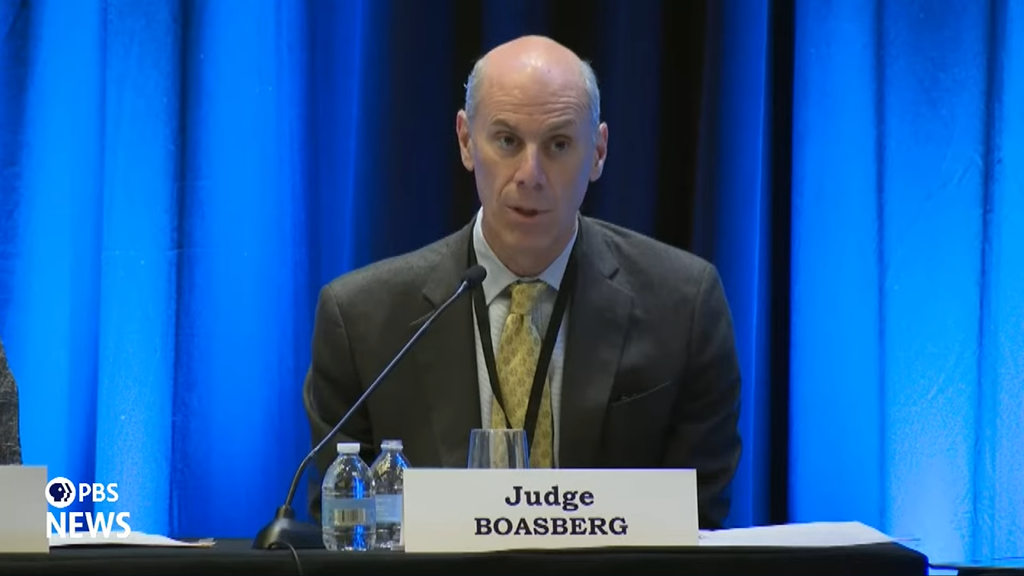
The amendment was part of an appropriations package for the 2026 fiscal year and aimed to ensure that no funds from the bill would be allocated for the salaries and expenses of D.C. District Judge James Boasberg and Maryland District Judge Deborah Boardman. The final vote on the amendment was 163-257, with one member voting “present” and 16 not participating.
Judicial Activism Claims
In his remarks before the vote, Roy criticized the D.C. courts for what he described as “overreaching activism” that has stifled President Trump’s policy agenda. He stated, "One of the issues that we’ve been addressing is the extent to which the president, who was elected to fulfill a mandate, has been carrying out policies that he believes fulfills the mandate the American people gave [him]."
Roy specifically pointed to Boasberg’s involvement in authorizing subpoenas related to Special Counsel Jack Smith’s investigation into Trump, which he characterized as an example of judicial overreach. Boasberg has also been involved in immigration-related litigation that critics argue has hindered the Trump administration's policies.
Boardman, on the other hand, has faced scrutiny for her sentencing decisions, including a lenient sentence for an individual who attempted to assassinate Supreme Court Justice Brett Kavanaugh. Critics allege that her ruling reflected a bias influenced by the defendant's gender identity. Roy noted, "These two individuals have been particularly egregious in their contempt of the president and putting their personal views in front of their duty as judges."
Bipartisan Opposition
Despite the push from some Republicans to defund the judges, the amendment faced significant bipartisan opposition. The coalition of 46 Republicans who voted against the measure included members from various factions within the party, indicating a divide over how to address perceived judicial overreach.
House Speaker Mike Johnson has not publicly commented on the amendment's defeat or the calls for impeachment against Boasberg and Boardman, which were initiated by Roy and Rep. Brandon Gill, R-Texas. Critics of the amendment argue that defunding judges could undermine the independence of the judiciary, a principle that many lawmakers across the political spectrum support.
Future Implications
The failure of the amendment raises questions about the Republican Party's strategy regarding judicial appointments and oversight. As the party grapples with differing views on how to handle the judiciary, the outcome may influence future legislative efforts and the party's stance on judicial reform.
While Roy and his supporters maintain that the judges' actions warrant accountability, the broader implications of defunding judges remain contentious. Legal experts warn that such measures could set a precedent that threatens judicial independence, a cornerstone of the American legal system.
The debate over judicial activism and the role of the courts in shaping policy is likely to continue as lawmakers navigate the complexities of governance and the judiciary's role within it.