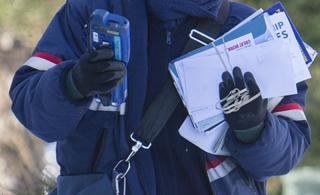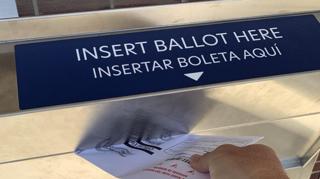
Ohio Governor Mike DeWine signed legislation on Friday that mandates all mail-in ballots must be received by the close of polls on Election Day. This new law eliminates the previous four-day grace period for election boards to accept absentee ballots, a change that supporters argue will enhance the integrity of the electoral process.
Explainer Election Integrity: Protecting Voter Rights in Modern America
The legislation, known as SB 293, also includes provisions requiring the Ohio Secretary of State to verify the citizenship of all registered voters monthly. Local election boards are directed to cancel the registration of anyone flagged as a potential noncitizen, pending further investigation into their citizenship status. Critics, however, have raised concerns about the potential for voter confusion and the implications for those who may rely on mail-in voting.
In a statement, Republican state Senator Theresa Gavarone, a co-sponsor of the bill, emphasized the importance of timely ballot submission. "Election day is election day for a reason," she said. "Allowing ballots to be delivered days after the election does nothing but hurt the integrity and credibility of our elections."
Governor's Reluctance
Despite signing the bill, Governor DeWine expressed reservations about changing Ohio's election laws. He indicated that he would typically veto such legislation but felt compelled to sign it due to ongoing litigation regarding a similar Mississippi law. The Mississippi law, which allows a grace period for ballot acceptance, was deemed unlawful by the 5th Circuit Court of Appeals and is currently under review by the U.S. Supreme Court.
DeWine stated, "If the court in late June upholds the Fifth Circuit case and Ohio’s grace period for counting ballots is still in effect, the election situation in Ohio would be chaotic." He warned that differing rules for federal and state elections could confuse voters, as ballots could be counted differently depending on the office contested.
Support for Election Integrity
Election integrity advocates have praised the governor's decision to enact SB 293. Jason Snead, Executive Director of Honest Elections Project Action, commended Ohio officials for their efforts to improve the electoral process. He described the bill's provisions as "popular, commonsense measures that will speed up results, secure elections, and continue to build trust in the democratic process."
"Once again, Ohio is acting to keep it easy to vote and hard to cheat in the Buckeye State," Snead added, highlighting the perceived benefits of the new law.
Concerns Over Voter Access
While supporters of the law argue it will enhance election integrity, critics have raised alarms about its potential impact on voter access. Some fear that the elimination of the grace period could disenfranchise voters who rely on mail-in ballots, particularly those who may face delays in postal service or other unforeseen circumstances.
Opponents of the bill have not yet provided a formal response to the governor's decision or the legislation itself. As the law takes effect, it remains to be seen how it will influence voter turnout and the overall electoral landscape in Ohio.
As Ohio implements this new law, the state joins a broader national conversation about election security and access. The balance between ensuring the integrity of elections and facilitating voter participation continues to be a contentious issue across the country.
The implications of SB 293 will likely be scrutinized in the upcoming elections, as both supporters and critics monitor its effects on voter behavior and election outcomes.