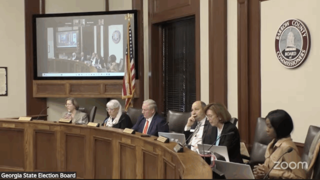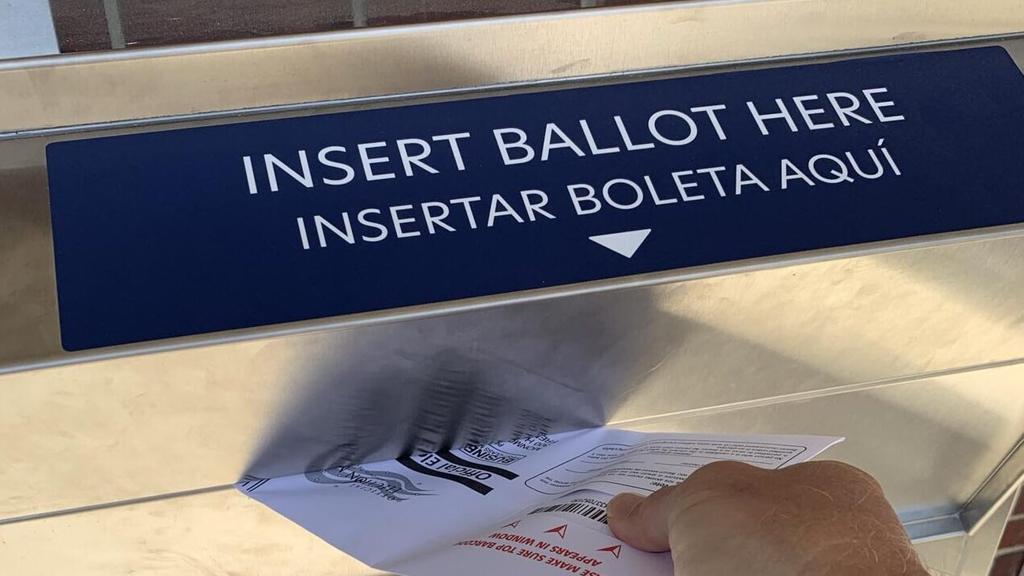
The Georgia State Election Board (SEB) has formally requested the state legislature to eliminate no-excuse mail-in voting in Georgia. In a 3-2 vote on October 22, the SEB approved a proposal to recommend this change when the legislature reconvenes in January, as reported by The Georgia Recorder.
Explainer Election Integrity: Protecting Voter Rights in Modern America
The proposal, which had previously failed to pass, was reintroduced by SEB member Dr. Jan Johnston. She argued that no-excuse mail-in voting "should be the exception rather than the rule." Johnston expressed concerns about ballot secrecy, stating, "We cannot guarantee secrecy of the ballot if it is in someone’s home or in someone’s apartment foyer or in someone’s post office box. We can do much better with protecting the voter and the ballot if they’re in the secure polling place."
Janelle King, another SEB member who supported the recommendation, emphasized that ending no-excuse absentee voting would not harm those who genuinely need access to absentee ballots. "It protects them," she said, adding that the policy, which began with good intentions, has created loopholes that undermine trust in elections. King stated, "As members of the Board of Elections, our responsibility is to provide oversight and safeguard the integrity of Georgia’s elections. That means supporting the removal of policies that no longer serve the people of Georgia or the fairness of the process."
In contrast, SEB Chairman John Fervier opposed the recommendation, arguing that it would unfairly restrict access for individuals who work multiple jobs to support their families. He stated, "There are a lot of people out there that work seven days a week to feed their families, make ends meet — especially now — and restricting their access to absentee voting is not fair to those people."
Nationwide, there is a growing trend toward limiting mail-in voting. A 2023 survey conducted by the Honest Elections Project found that 76 percent of voters believe that voting in person is preferable to voting by mail, while 73 percent reject the automatic sending of ballots without a voter’s request.
Concerns about mass mail-in voting include issues such as postal delays affecting the timely receipt of ballots, the risk of postal theft, and potential assaults on postal workers. The Cybersecurity and Infrastructure Security Agency (CISA) acknowledged prior to the 2020 election that mass mail-in voting is susceptible to various problems, including the challenges of mailing and returning ballots, a high number of improperly completed ballots, and a shortage of personnel to process ballots promptly. However, CISA publicly labeled these concerns as disinformation on social media.
Notably, a record number of Georgians voted by mail-in ballot during the 2020 general election cycle, highlighting the ongoing debate over the accessibility and security of mail-in voting in the state.