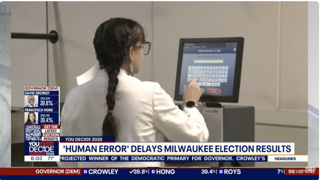
Milwaukee election officials have launched a formal review after a human error delayed the counting of approximately 28,000 absentee ballots during last week's Democratic gubernatorial primary, pushing the final results into the early hours of the following morning.
Explainer Election Integrity in America: Safeguarding Voter Trust and Ballot Security
The incident has reignited concerns about election administration in Milwaukee, a city that has faced repeated scrutiny over ballot handling and result delays in recent election cycles. The delay in reporting results has drawn renewed attention to the city’s election processes and oversight, especially given Milwaukee’s pivotal role in statewide and national elections.
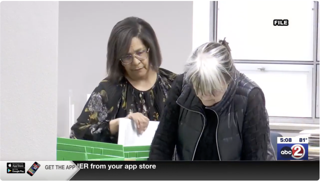
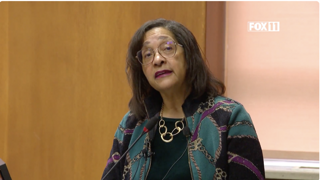
The Milwaukee Election Commission said the delay was caused when staff exported the wrong files from vote-counting machines, sending audit logs instead of election results to the Milwaukee County Clerk’s Office. Executive Director Paulina Gutierrez acknowledged the mistake at a special meeting, stating, “Since 2024, we’ve conducted after-action reviews every election, and our review for this partisan primary is underway. It’s an entire department-wide effort.”
Details of the Ballot Delay
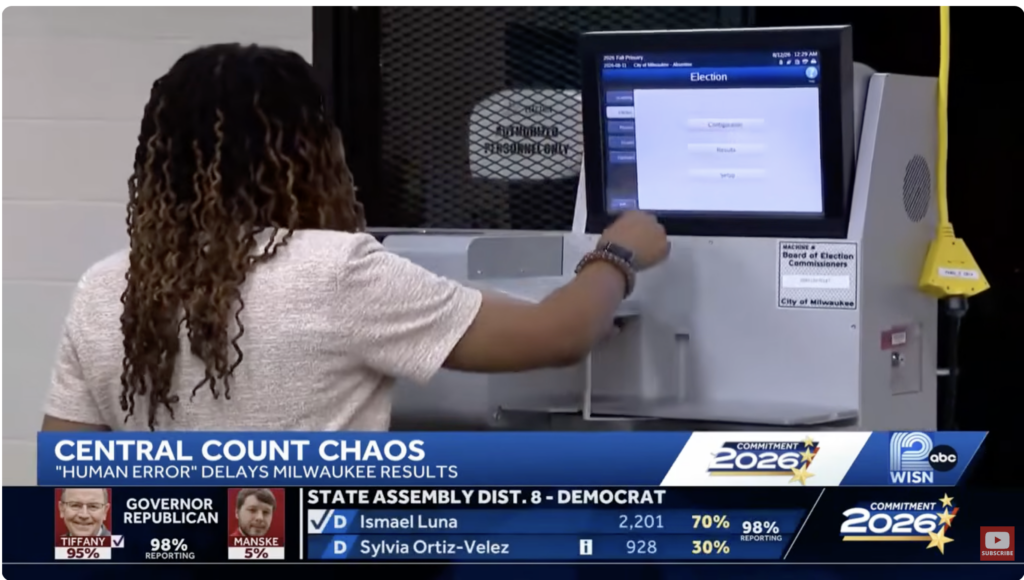
According to Gutierrez, five of the nine data storage devices delivered on primary night contained audit logs rather than results, which led to the delay in reporting. The error was captured on camera by CBS58, showing staff selecting 'export files' instead of 'export audit log' on the machines. Gutierrez told the commission that the error was "a human error, and we are obviously accountable to that mistake. We have plans to update our written procedure to include images of each screen."
The delay meant that the winner of the Democratic primary—Milwaukee County Executive David Crowley—was not confirmed until early Wednesday morning, with Crowley narrowly defeating Madison State Rep. Francesca Hong by less than 4,000 votes. The commission said it plans to update procedures to prevent similar mistakes, including adding visual guides to their instructions for staff.
The process of counting absentee ballots in Milwaukee is centralized at a facility known as the Central Count. On election night, ballots are processed and tabulated at this location before results are transmitted to the county clerk. The error occurred during the final step, when staff exported files from the tabulation machines. Instead of exporting the election results, staff mistakenly exported audit logs, which are records of the machines’ activity but do not contain vote totals. This mistake delayed the reporting of thousands of absentee ballots, which are a significant portion of Milwaukee’s total vote.
Gutierrez emphasized that the commission is taking steps to ensure such an error does not happen again. "We are updating our written procedures to include images of each screen, so staff can visually confirm they are exporting the correct files," she said. The commission is also considering additional training for staff and reviewing its protocols for handling data storage devices on election night.
Ongoing Scrutiny of Milwaukee Elections
Milwaukee’s election administration has faced repeated criticism and controversy in recent years. In the 2024 general election, the city experienced delays after ballot tabulators were found unsecured, requiring a recount of over 30,000 absentee ballots. In 2020, Milwaukee was again at the center of national attention when late-night absentee ballot reporting shifted the outcome in Wisconsin’s presidential race. Past incidents, including misplaced flash drives and ballot reconstruction, have fueled skepticism among critics who argue the city’s election management is prone to errors and lacks transparency.
Election observers and some state officials have pointed to a pattern of issues in Milwaukee’s election operations. The city’s Central Count facility, where absentee ballots are processed, has been the focus of particular scrutiny. Critics argue that repeated mistakes undermine public confidence in the election process, especially in closely contested races.
"Too many problems again with Milwaukee Central Count 2020, 2024 and now 2026. I call on the Wisconsin Elections Commission Chair to place Milwaukee Central Count on the next Wisconsin Election Commission agenda for possible investigation."
— Bob Spindell, vice chairman, Wisconsin Elections Commission
Election officials have maintained that the system’s checks and balances ensure accuracy. Wisconsin Elections Commission spokeswoman Emilee Miklas said, “While human mistakes can happen — Wisconsin’s election system, which includes layers of oversight at the local and state level, ensures things are caught and corrected.”
The state’s election system is designed with multiple layers of oversight. Local election officials are responsible for processing and reporting results, while county and state officials review and certify those results. In cases where errors are detected, procedures are in place to correct them before results are finalized. This system of checks is intended to ensure that even when mistakes occur, they do not affect the integrity of the final outcome.
Calls for Investigation and Response
Bob Spindell, vice chairman of the Wisconsin Elections Commission, has called for the agency to consider a formal investigation into Milwaukee’s central count operations, citing repeated issues in recent elections. He has urged the Wisconsin Elections Commission to place Milwaukee Central Count on its agenda for possible investigation, referencing problems in 2020, 2024, and now 2026.
Meanwhile, the state elections regulator’s communications director emphasized that oversight mechanisms are in place to catch and correct errors. Wisconsin Elections Commission spokeswoman Emilee Miklas reiterated that while human mistakes can happen, the state’s election system is designed to ensure accuracy through layers of review at both the local and state levels.
Despite ongoing criticism, Milwaukee election officials have pledged to update their procedures and conduct a thorough review. The commission has not yet announced when the updated protocols will be implemented or whether additional staff training will be required. Gutierrez said the department-wide review is ongoing and that recommendations for procedural changes will be presented at a future commission meeting.
The commission’s review will include an examination of current procedures, staff training protocols, and the technology used to process and transmit election results. Officials say the goal is to identify any weaknesses in the process and implement changes before the next major election cycle.
For more information on Milwaukee’s election process, visit the Milwaukee Election Commission.